Romantic Things to Do in Minneapolis for Couples
From a dusk crossing of the Stone Arch Bridge to a canoe on Lake of the Isles, a local's guide to the river, the lakes, and the nights that make Minneapolis one of the more genuinely romantic cities in the Midwest.
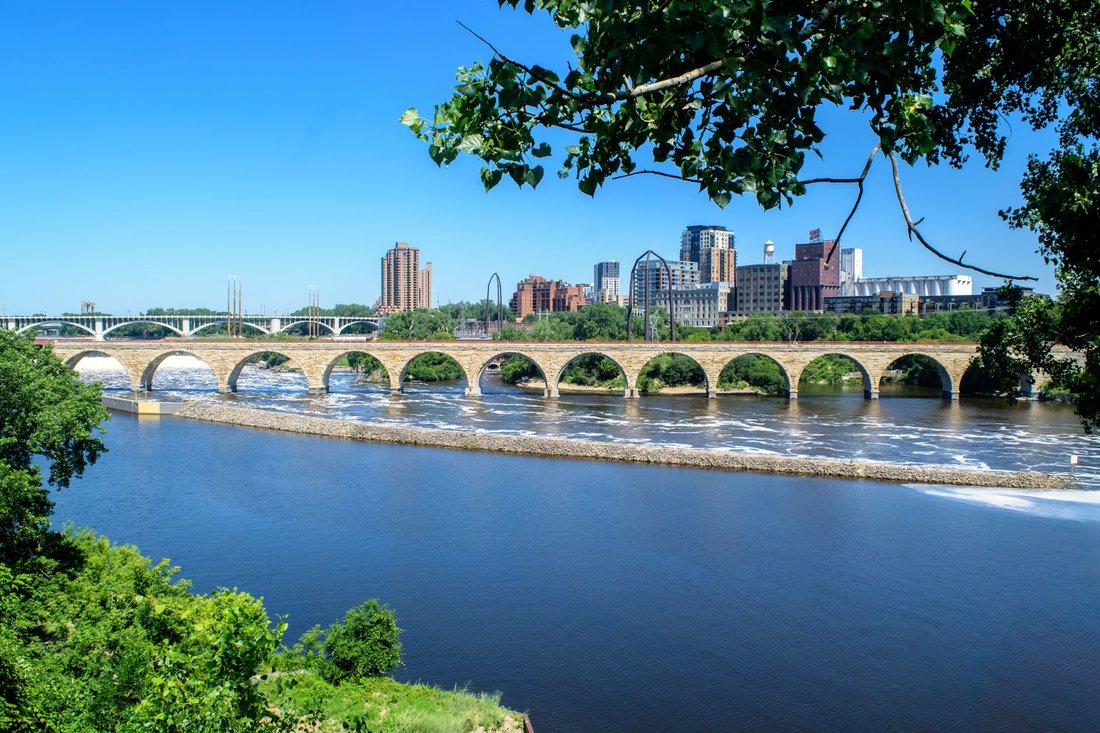
The light goes copper, then rose, over the Mississippi as it slides past the ruins of the old mill district, and this is as good a place as any to start a list of romantic things to do in Minneapolis that owes nothing to candles or a fixed price tag. Walk out onto the Stone Arch Bridge at that hour and you are standing on a curved rail line built in the 1880s, its wood-plank walkway worn smooth underfoot, St. Anthony Falls churning white just downstream, the downtown skyline stacking up behind you like it was built for exactly this moment. A rowing shell might slide past below. Two cyclists might ring their bells and swing wide around you without breaking stride. What this city offers a couple is not a script. It is a river with three walkable lakes strung close together, a theater with a bridge suspended over its own lobby, and a nightclub where Prince used to show up unannounced. The romance here is specific to this place, not date-night dressing shipped in from somewhere else, and it holds up across every season, not just the warm ones most guides default to.
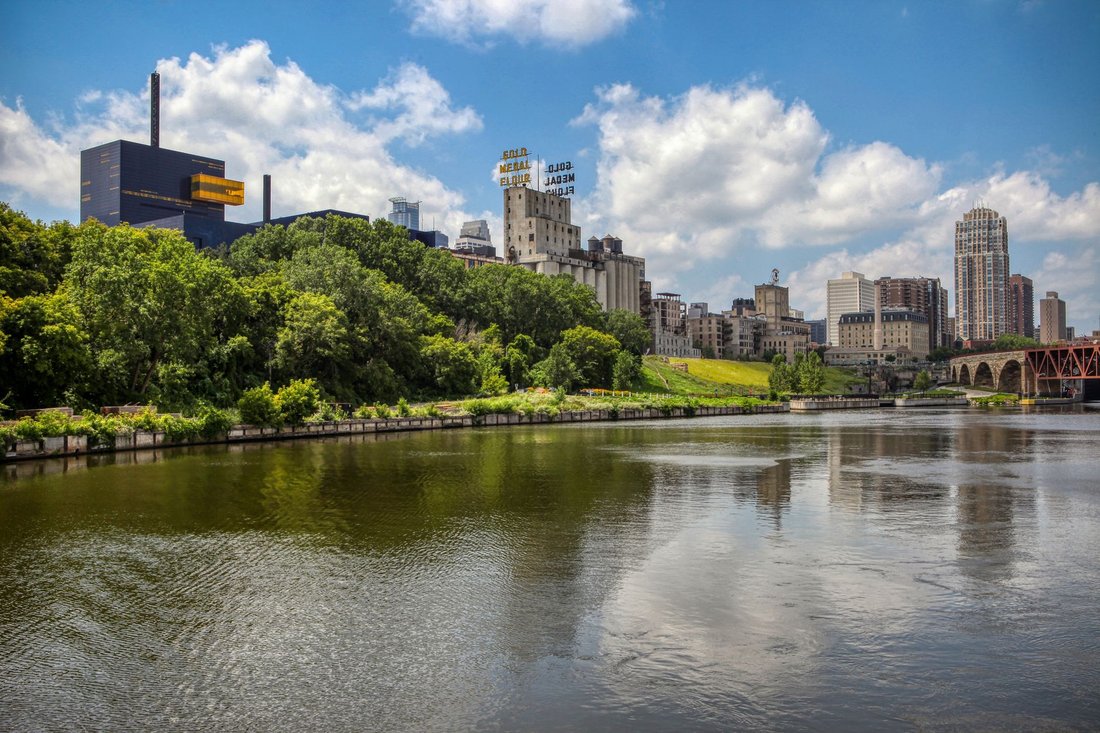
A River at Dusk, Where Minneapolis Falls for Itself
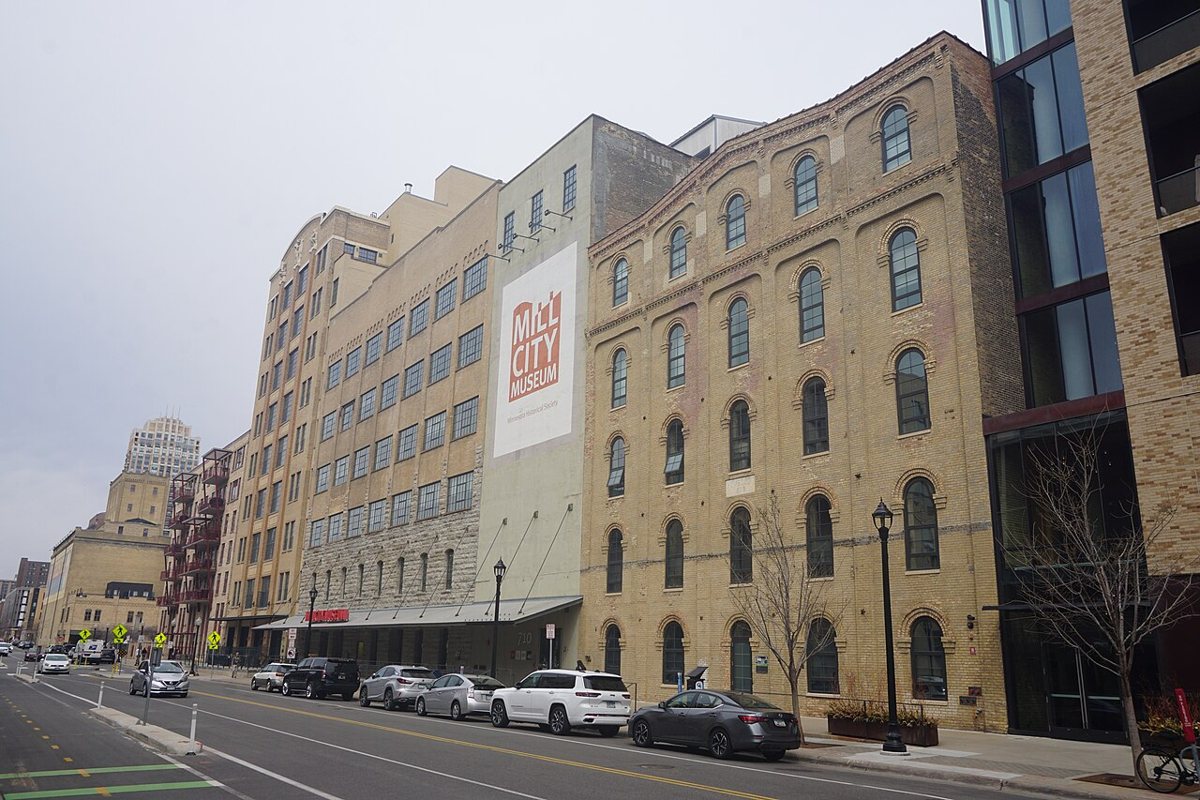
A few hundred feet from the bridge, the burned-out shell of the old Washburn A Mill has been rebuilt around rather than over, and the result is Mill City Museum, a working monument to the flour empire that made this city rich. Couples tend to skip the full tour and head straight for the ruins courtyard, an open-air space stitched into the mill's blown-out stone walls, and the rooftop overlook, which lines up the river, the bridge, and downtown in one frame. Go in the early evening, when the museum's daytime crowd has thinned and the light turns the limestone gold. Check current hours before you go, since they shift with the season. The insider move is to treat it less as a museum visit and more as a short, free-feeling detour between the bridge and dinner, ten minutes of standing in a ruin with someone you like, watching barges of light move on the water below.

Cross back over the river and keep walking north and you land on Nicollet Island, a genuinely quiet residential pocket sitting in the middle of the Mississippi, a few blocks of Victorian houses and a small park with the entire Minneapolis skyline framed across the water. It rarely gets crowded, even on a warm weekend, because most visitors do not realize they can simply walk onto it. Bring something to eat and sit on a bench near the water, or just walk the loop past the old houses and listen to how quiet a spot in the middle of a city can be. The insider tip is timing: go right as the streetlights start to click on, when the island empties out but the skyline across the water is just starting to light up window by window.
The Chain of Lakes, Slow and Unhurried
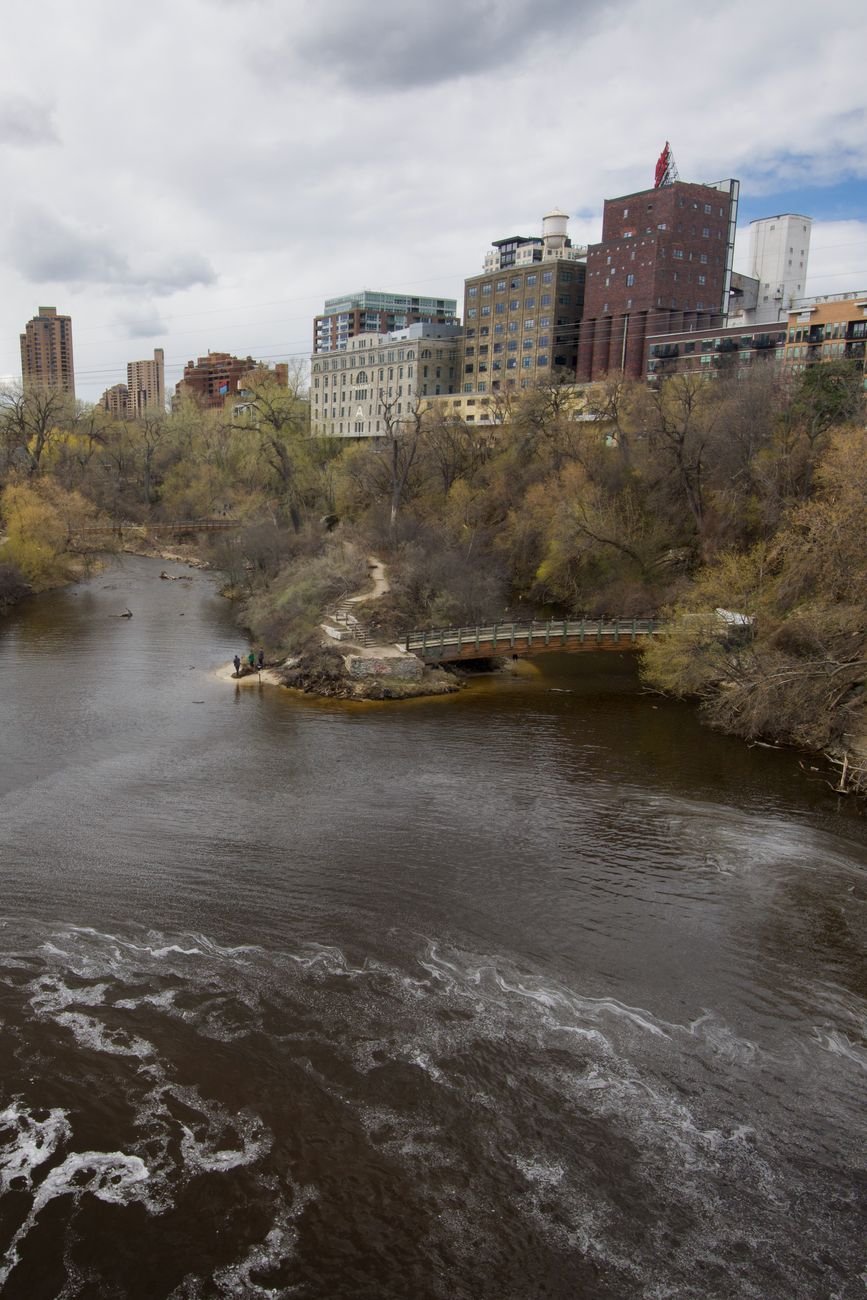
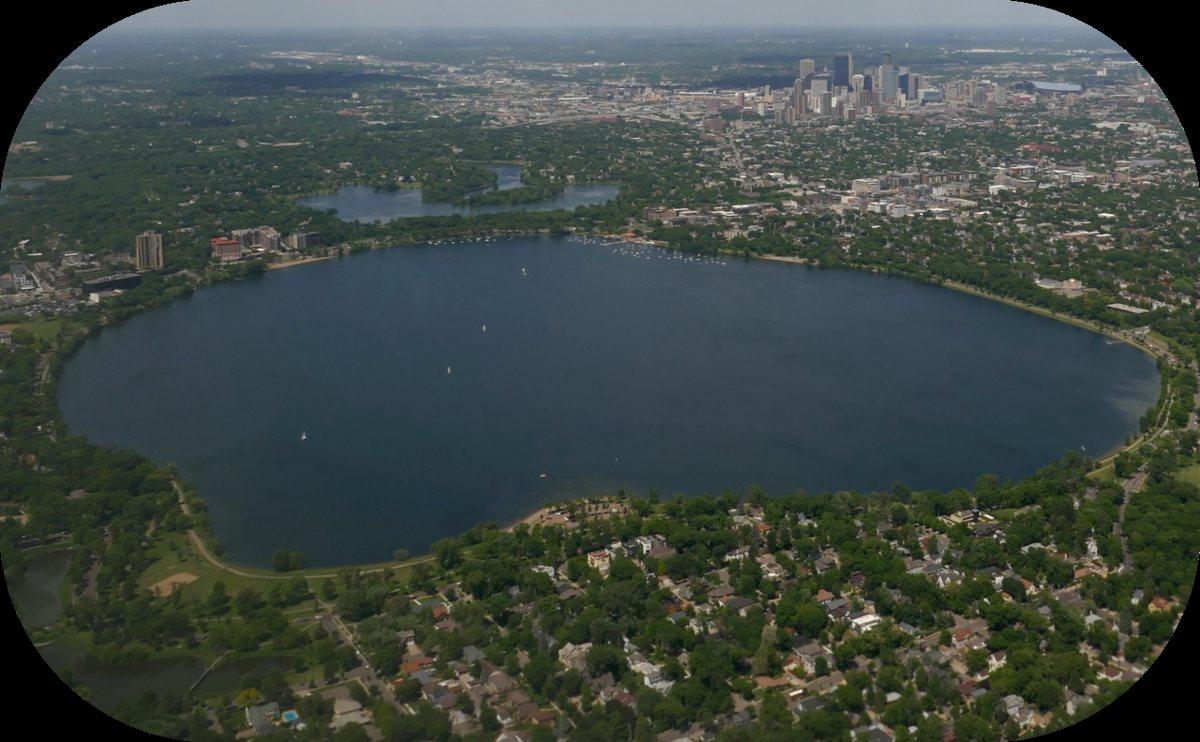
Minneapolis calls its cluster of connected lakes the Chain of Lakes, and it is the single best argument the city has for why couples do not need a car or a fixed plan to have a good afternoon here. Paved paths link the lakes to each other, canoe and paddleboard rentals sit at more than one launch point, and none of it costs much more than the rental itself. A full loop connecting all three of the lakes below runs several miles, easy enough to bike in an afternoon or walk in sections over a weekend. The three worth knowing by name for a date are close enough to string together into one long outing if you have the legs for it, or to visit separately depending on the mood you are after.
Lake Harriet
Lake Harriet is the most social of the three, built around a bandshell that hosts live music through the warmer months and a walking loop that circles the entire lake in under an hour at an easy pace. Couples show up with a blanket for the grass near the bandshell, or rent a canoe from the small boathouse and paddle out while the sun drops behind the tree line on the far shore. There is a rose garden a short walk from the water worth a detour on the way in, and a small streetcar line running along part of the shore for anyone who wants the ride more than the walk. The insider tip is to skip the bandshell lawn on a concert night if you want quiet, and instead walk the far side of the loop, away from the crowd, where the water gets the same sunset with none of the noise.

Bde Maka Ska
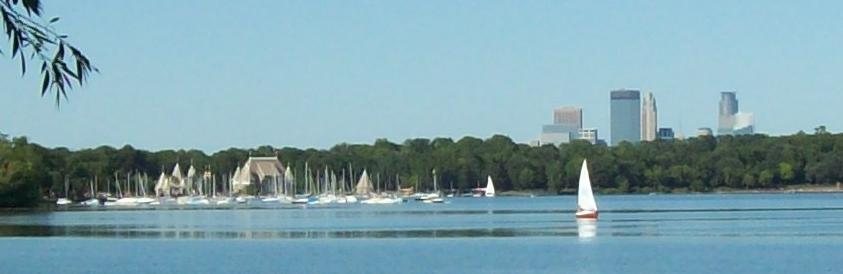
Bde Maka Ska is the largest lake in the chain and the busiest, ringed by a wide path that pulls in runners, cyclists, and couples walking three abreast in no particular hurry. The lake's name, Dakota for White Earth Lake, was formally restored a few years back after a long stretch as Lake Calhoun, and knowing that history is part of understanding the place you are standing in. There is a swimming beach on the north end and a rentable stretch of paddleboards and kayaks near the pavilion. For a date, the move is simple: rent something that floats, get out on the water an hour or so before sunset, and let the wind do the rest of the work. On land, the lakeside patios along the western edge fill up fast on warm evenings, so arrive early or plan to walk while you wait for a table.

Lake of the Isles
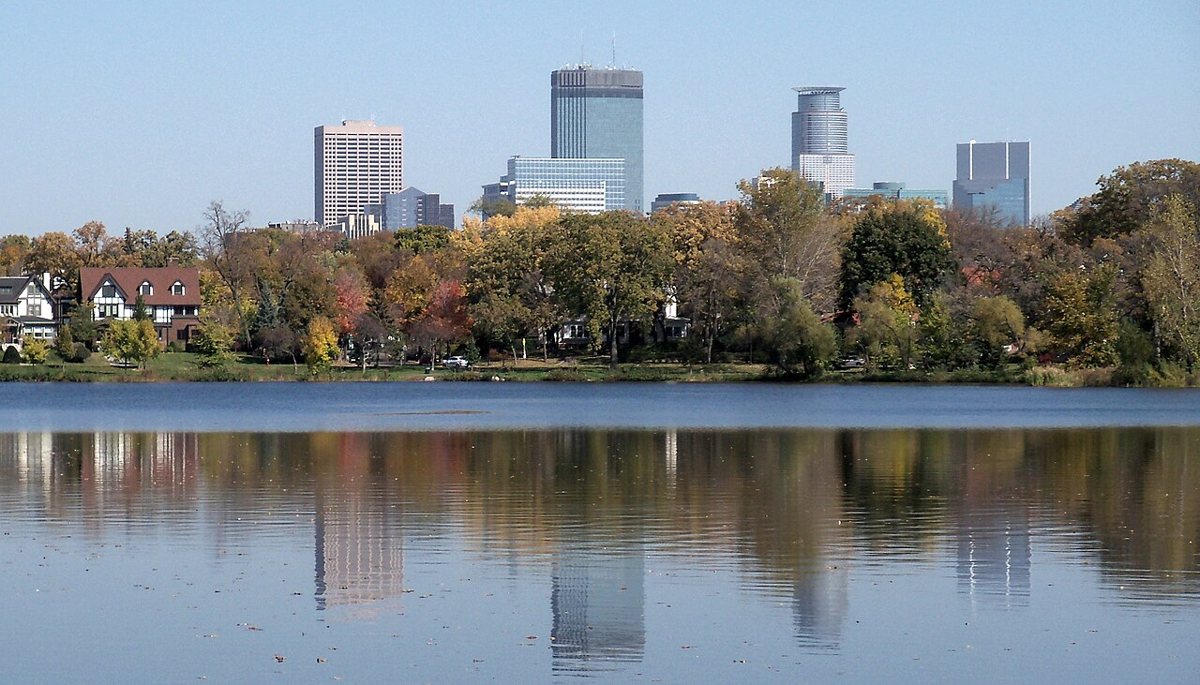
Lake of the Isles is the quiet cousin, a narrower, more residential lake ringed by some of the grandest old houses in the city, with channels connecting it to Bde Maka Ska for anyone paddling a canoe between the two. It draws a fraction of the foot traffic of its larger neighbor, which makes it the better choice for a couple who wants to talk without competing with a crowd. In winter, when conditions allow, a groomed skating rink sometimes appears on the ice near the northern end, a detail worth checking on rather than counting on. In every other season it is simply a good, slow walk past architecture and water, best in the late afternoon when the light comes low through the trees along the shore and the houses start switching their porch lights on one by one.

Special-Occasion Nights, Art, Theater, and Music
Some dates call for more than a walk, and Minneapolis has the cultural weight to back up a night that feels genuinely occasion-worthy. This is a city that takes its theater and its music seriously, not as a footnote to winter but as a point of civic pride, and the following stops are where that pride shows up most clearly. None of them require formalwear, but all of them reward a little effort in the planning.
The Minneapolis Sculpture Garden sits just outside the Walker Art Center and costs nothing to walk through, which makes it one of the easiest high-impact dates in the city. Its best-known resident is Spoonbridge and Cherry, the oversized spoon-and-cherry fountain sculpture that has become something like an unofficial civic symbol, but the garden holds dozens of other large-scale works spread across open lawn and gravel paths. Go at golden hour on a weekday if you can, when the crowds thin and the low sun does interesting things to the metal and glass pieces scattered through the grass. The insider tip is to treat it as a warm-up rather than the whole night, a free half hour that sets the tone before dinner or a show elsewhere.
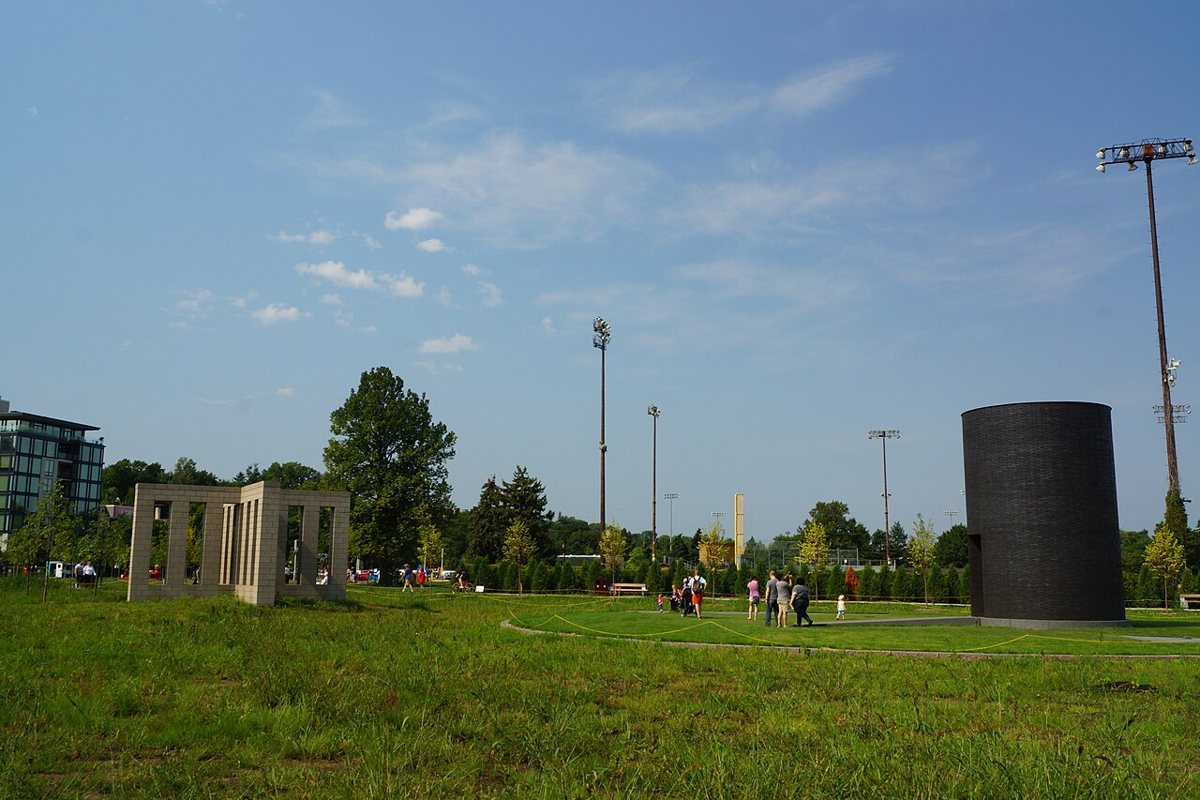

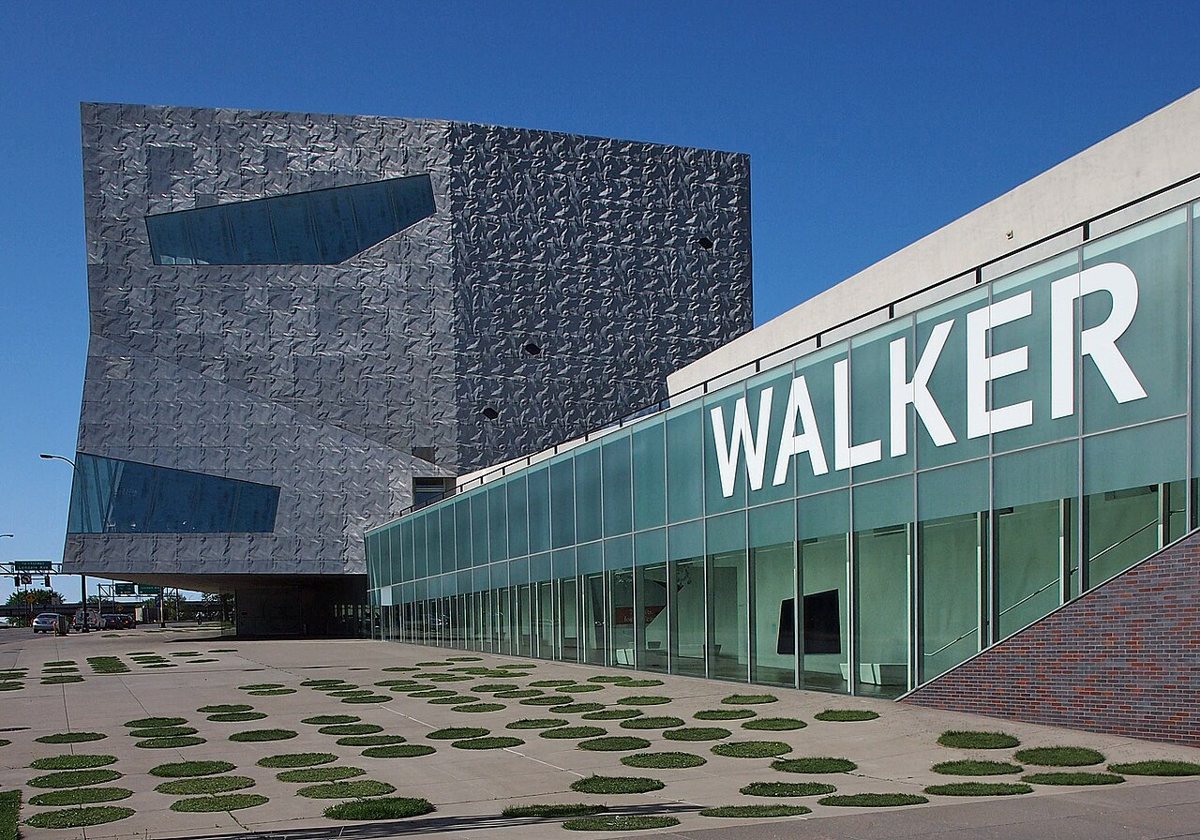
A few steps further sits the Walker Art Center itself, a contemporary art museum with a rotating collection strong enough to anchor a national reputation. The exhibits change often enough that no two visits look the same, and the museum's design encourages the kind of slow, wandering conversation that makes for a good date, standing in front of a piece and disagreeing pleasantly about what it means. Check current hours and whatever exhibit is up before you go, since both shift through the year. Pair it with the sculpture garden next door and you have an entire evening of art without much planning required.

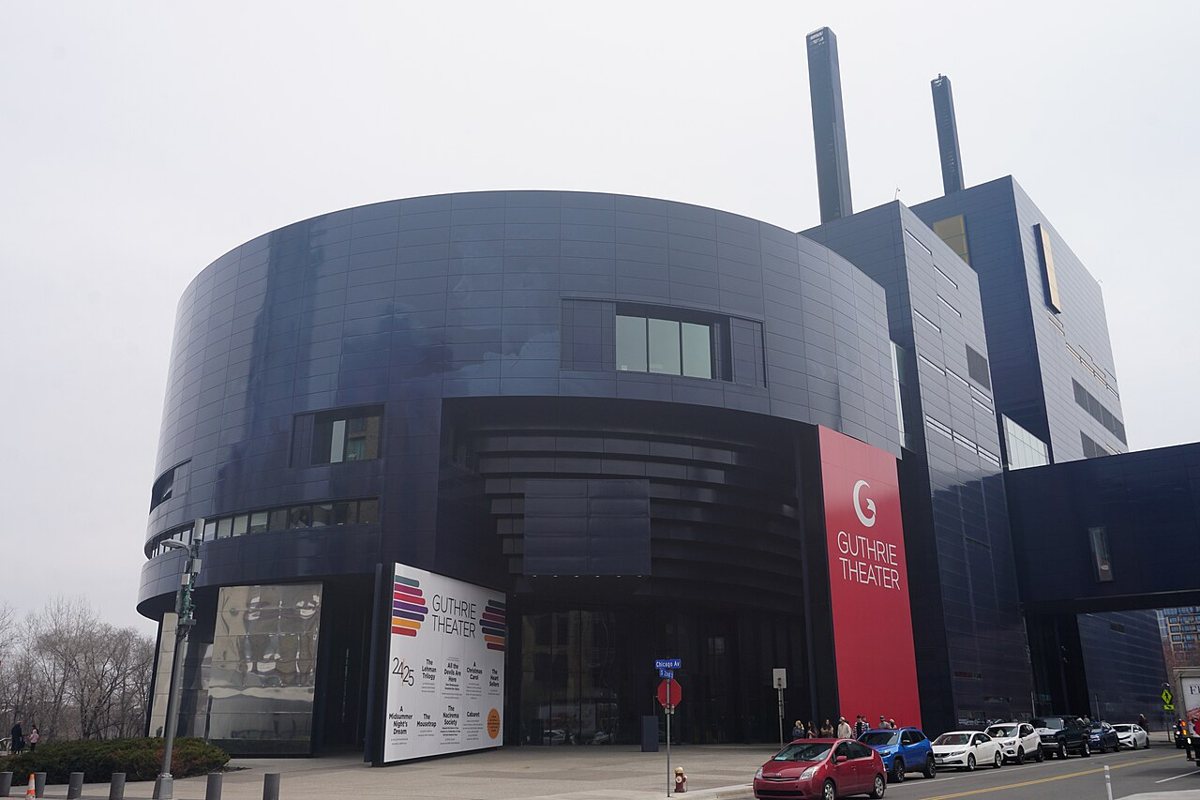
For a night that leans more toward performance, the Guthrie Theater is the city's flagship stage, known nationally for its programming and locally for the Endless Bridge, a cantilevered lobby walkway that juts out over the river and the old mill district below. Even couples without tickets can walk into the lobby and stand on that bridge to watch the sun go down over the water, the blue-lit corridors and the long yellow escalators giving the whole building the feel of something designed specifically for people in the middle of a good conversation. If you do have tickets, arrive early enough to catch the light from the bridge before curtain. The Guthrie's season runs deep into serious drama and classic work, which suits a couple looking for a date with some weight to it.

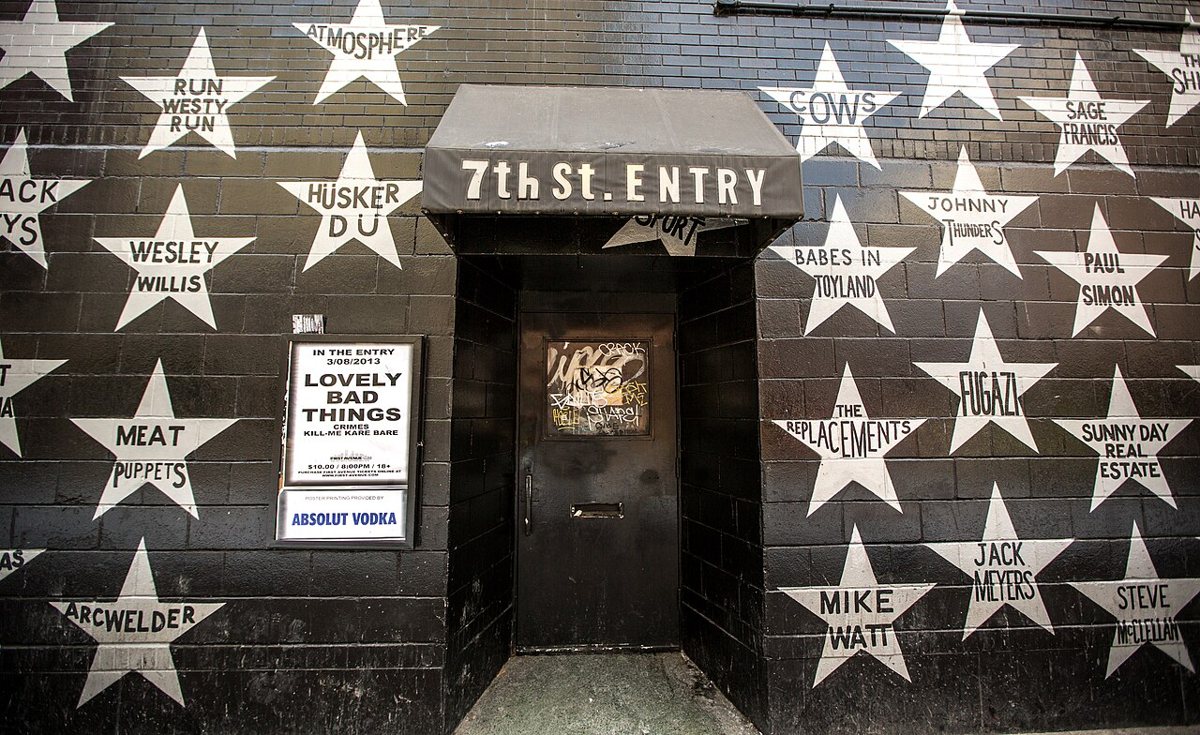
And for the kind of night that has nothing to do with candlelight, there is First Avenue, the black-walled club downtown where Prince played some of his most famous shows and where Purple Rain was filmed. The building's exterior is covered in stars honoring the artists who have played inside, and a couple who finds each other's name on that wall, or just stands under it before a show, is getting a piece of the city's actual music history rather than a recreation of it. Check the calendar for whatever is playing and go stand shoulder to shoulder in the dark for a band you both like. Prince is not a past-tense subject in this city, and First Avenue is the reason why.

Quiet Corners Away from the Crowds
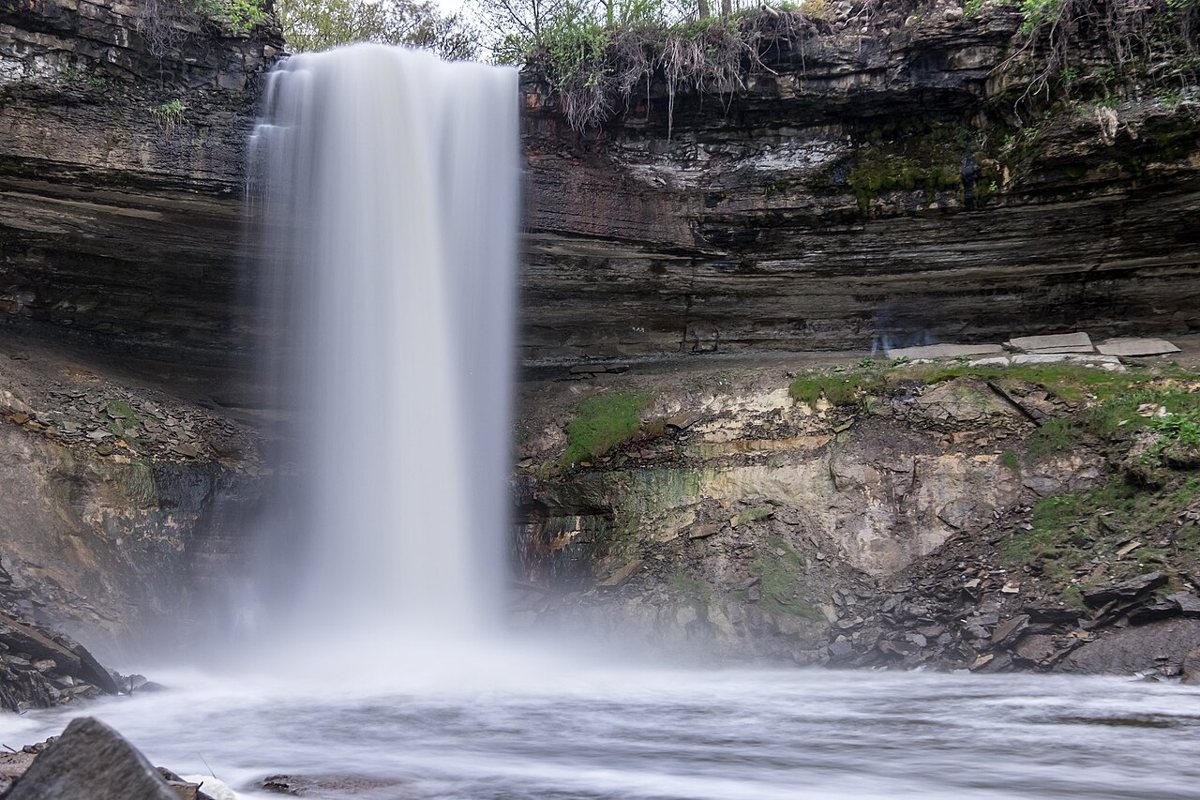
Minnehaha Falls is the most photographed waterfall in the state for a reason, a fifty-plus foot drop inside Minnehaha Regional Park, close enough to the Mississippi that the creek it feeds empties into the river a short walk downstream. Henry Wadsworth Longfellow immortalized the falls in verse without ever having visited, which is its own strange bit of local trivia, and the limestone gorge trail below the falls still delivers on the romance he imagined secondhand. Head down into the gorge rather than staying up on the rim, follow the creek path toward the river confluence, and go on a weekday if you want the mist and the sound of the falls without a crowd of tourists between you and it. It sits in the Longfellow neighborhood, well south of downtown, and is easy to reach by bike along the river trails, with plenty of shaded benches along the descent for anyone who wants to sit and listen rather than keep walking.

Two more spots reward a couple willing to go slightly out of the way. Eloise Butler Wildflower Garden, tucked inside the much larger Theodore Wirth Park, is the oldest public wildflower garden in the country, a hushed network of native-plant trails that almost nobody outside the neighborhood seems to know about, with a bird blind near the entrance for anyone patient enough to sit still together for a few minutes. Boom Island Park, back along the river near Nicollet Island, has a small lighthouse structure and open riverside lawn that makes a good spot to land a bike ride or watch the sun go down without the foot traffic of the bridge itself. Neither requires much planning. Both reward showing up with no agenda beyond being there together.
A Neighborhood Wander, Nordeast, North Loop, and Eat Street
Some of the best romantic things to do in Minneapolis are not attractions at all, just neighborhoods built for walking. Northeast Minneapolis, which locals call Nordeast, holds the city's densest cluster of breweries inside old warehouse buildings, along with murals and small galleries tucked between them. A couple can walk between two or three taprooms on a Friday night, sharing a flight at each stop, and end up seeing more of the neighborhood's character than a single sit-down dinner would show. If you want the food side of the same district, dinner in Nordeast is the better place to start planning than any single recommendation could be.
The North Loop, closer to downtown, trades breweries for a denser strip of restaurants inside the same warehouse-district architecture, cobblestone in places, high ceilings and exposed brick nearly everywhere. It is a good pick for a couple who wants a dressier night without leaving the city's industrial bones behind. Further south, Nicollet Avenue's stretch known as Eat Street carries the flavor of the Twin Cities' immigrant history in a few blocks, with pho standing alongside Somali restaurants that reflect one of the largest Somali communities in the country, a genuine and lasting influence on how this city eats. Walk it hungry, order small, and share plates across a table instead of committing to one restaurant for the whole night. For a gentler morning after any of these nights out, a slow weekend brunch closes the loop nicely, and gives a couple a reason to linger in the same neighborhood a second day in a row.
Romantic Things to Do in Minneapolis Through the Seasons
Winter
Winter here is not an obstacle to romance, just a different set of tools for it. The lakes freeze solid enough for walking and, when conditions cooperate, for skating on cleared patches near Lake of the Isles and Lake Harriet. Indoor options carry more weight this time of year: a show at the Guthrie, an evening at the Walker, a warm restaurant booth in the North Loop after a short, cold walk to get there. The trick locals use is short outdoor bursts, twenty minutes on the ice or across a bridge, bookended by somewhere warm, rather than trying to force an entire evening outside.
Spring and Summer
Warm weather turns the lakes into the main event. Canoe and paddleboard rentals open up, the Lake Harriet bandshell starts its concert calendar, and the sculpture garden and riverfront become places to linger rather than pass through quickly. This is also patio season across the North Loop and Uptown, when a couple can plan an entire evening around eating and drinking outside, moving from one patio to the next as the light changes.
Fall
Fall might be the strongest romantic season the city has, and the most overlooked. The tree cover around Minnehaha Falls and the Chain of Lakes turns fully over a few weeks, the crowds thin out from their summer peak, and the light in late afternoon gets long and gold in a way that flatters every stone bridge and brick warehouse in the city. Do the full Chain of Lakes loop on a crisp weekend and you will understand why locals consider fall, not summer, the season they show the city off, saving the loudest colors for the trees around Lake of the Isles and the bluffs above the falls.
Getting Around, Timing It Right, and What Is Free
None of this requires much logistics, but a few habits separate a smooth night from a frustrating one. Minneapolis rewards couples who think in terms of neighborhoods rather than single addresses, since so much of what makes a date memorable here happens on the walk between two stops rather than at either stop itself.
- Minneapolis and St. Paul are two distinct cities, not one metro blur, so if a date spans both, budget real travel time between them rather than treating them as a single downtown.
- The Chain of Lakes, the riverfront, and most of downtown connect well by bike or on foot, and a bike is often faster than a car once you account for parking near the lakes on a warm weekend.
- Evenings on a weekday consistently beat weekends for avoiding crowds at the sculpture garden, the lakes, and Minnehaha Falls, with no real trade-off in what you get to see.
- The Minneapolis Sculpture Garden, the lake paths, Nicollet Island, Boom Island Park, and the Stone Arch Bridge are all usually free to walk, with no admission required at any hour they are open.
- Canoe, kayak, and paddleboard rentals at the lakes are inexpensive relative to most date-night activities and do not require any advance skill.
- Always check current hours and seasonal closures before heading to a museum, theater, or garden, since schedules shift throughout the year.
Why This City Does Romance Differently
A lot of date-night writing treats romance as something you buy: a reservation, a bouquet, a rooftop bar with a view. Minneapolis mostly refuses that framing, and it is better for it. The best nights this city offers a couple happen on a bridge over a working river, on the water in a rented canoe, standing under a wall of stars outside a club where music history actually happened, or walking a wildflower trail almost nobody bothers to find. None of it needs to be dressed up to work. It needs a decent stretch of daylight, a little curiosity about the neighborhood you are standing in, and someone worth walking slowly next to. That is not winter-survival advice or a checklist to clear. It is just how this city, unglamorous and serious about its art and its music in equal measure, tends to treat the people who fall for it, season after season, long after the reservations and the flowers would have stopped mattering anyway.