Things to Do in Minneapolis for 2026
A working list of what actually justifies leaving the couch in Minneapolis this year, from a Sunday morning at the Falls to a Tuesday night at First Avenue.
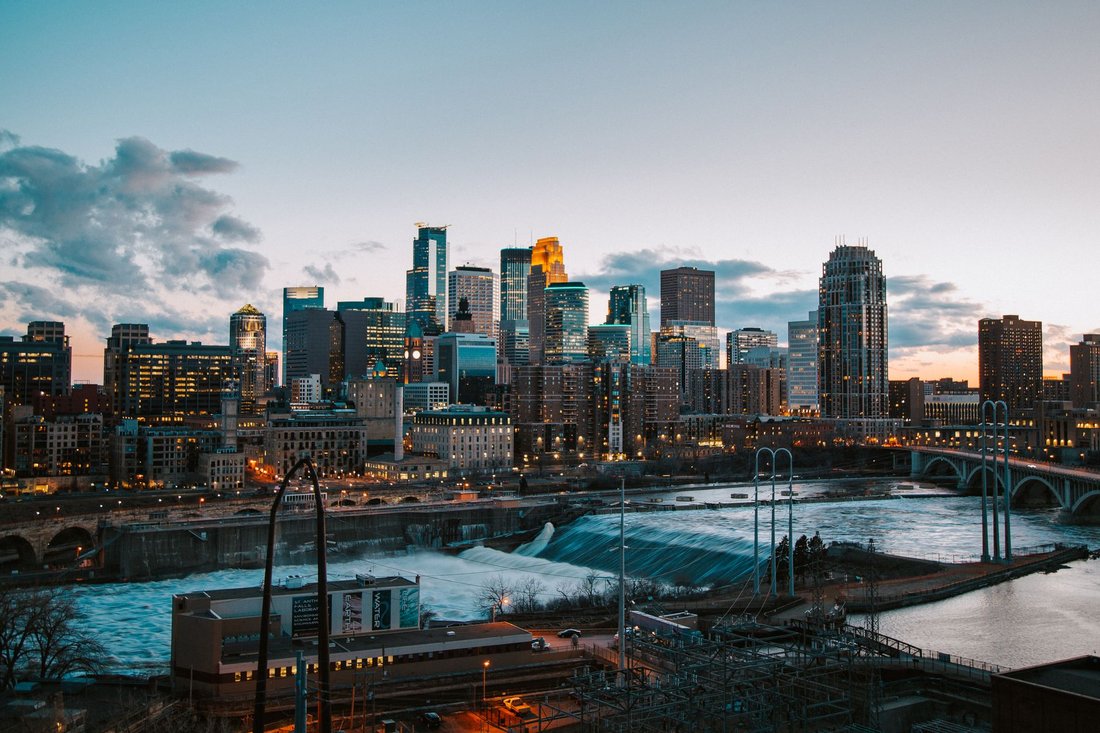
It's a Thursday in late June and the patio at a Nordeast brewery is full by six, not because anyone planned it that way but because that's just what Thursdays are now in this part of town. A pontoon idles near the public dock on Bde Maka Ska while someone practices a cello on the Chain of Lakes path, unbothered, like this is the most normal thing in the world. It is, actually. That's the case for things to do in Minneapolis: the city doesn't perform for visitors so much as it just keeps doing what it does, and you're welcome to come along.
What follows isn't a highlight reel of the obvious ten. It's a real accounting of where the city's energy actually lives in 2026, organized the way a local would plan a week here rather than a weekend, with the food, the water, the music, and the theater given roughly the weight they deserve.
The Chain of Lakes and the water culture that defines summer
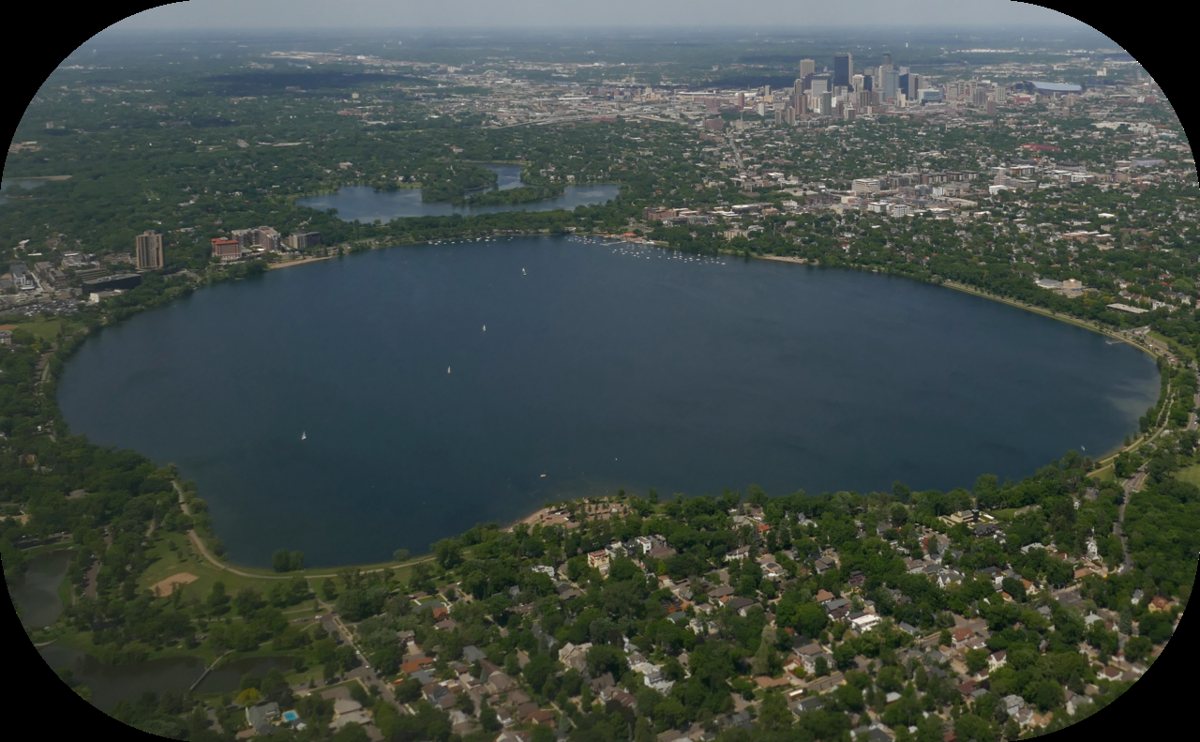
Start with the water, because Minneapolis without its lakes is a different, lesser city. Bde Maka Ska, Lake Harriet, and Lake of the Isles link together into a loop that locals walk, bike, paddleboard, and sail depending on the day and their mood. Bde Maka Ska has the widest beach and the busiest bike path, Lake Harriet has the bandshell and the streetcar, and Lake of the Isles is the quiet one, better for a slow paddle than a crowd. Rent a kayak or a paddleboard at one of the boat launches, or just walk a segment of the path at golden hour when the rowers are out. The insider move is to do it backward from how tourists do it: start at Harriet in the early evening for a concert at the bandshell, then walk or bike the connector up to Bde Maka Ska as the light goes gold over the water. This is Uptown and Linden Hills territory, and it rewards showing up without a fixed plan.

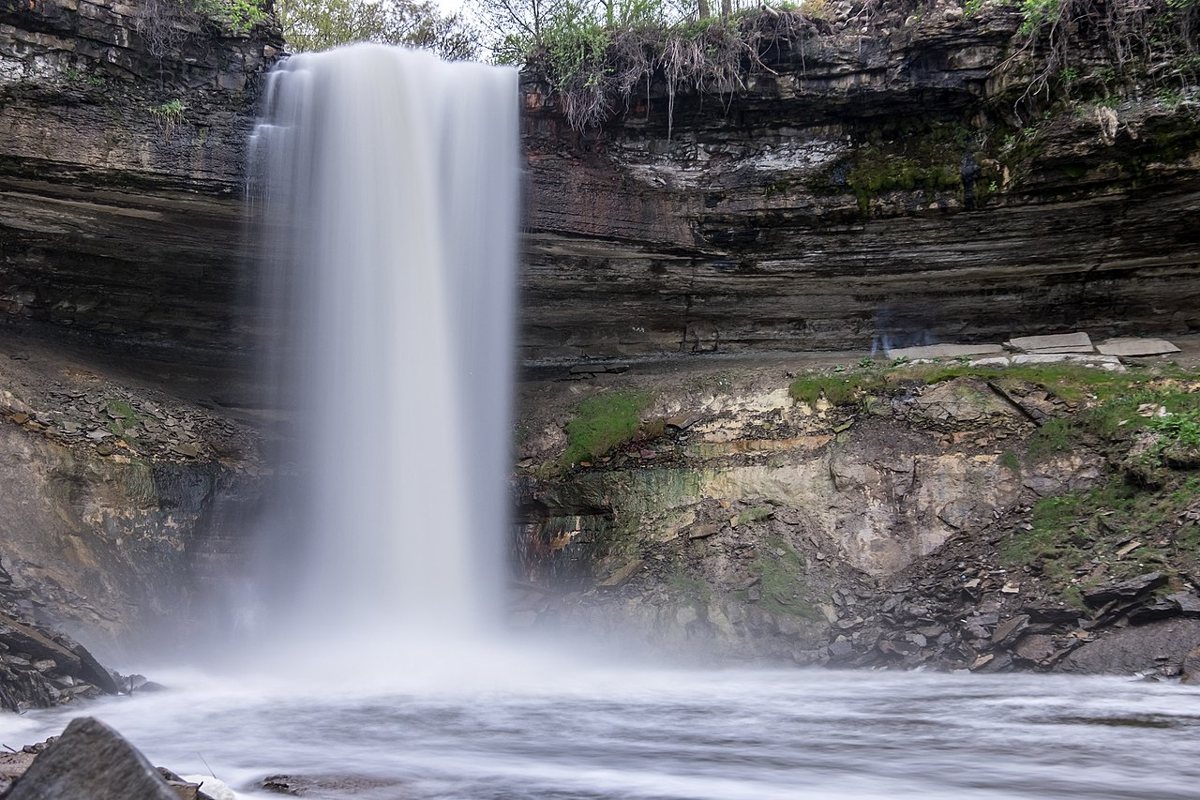
A few miles southeast, Minnehaha Falls does something the lakes can't: it makes noise. The waterfall drops dozens of feet through a limestone gorge inside a park that has been drawing people since the streetcar era, and it stays among the more reliably impressive natural things to do in Minneapolis regardless of season. Spring runoff turns it into a genuine roar; by late summer it can slow to a trickle, so timing changes the experience considerably. Walk the gorge trail down to where the creek meets the Mississippi, not just the overlook at the top, and pack a lunch for the picnic areas near the pavilion. The Longfellow neighborhood around the park has quietly become one of the best-eating parts of the city, so treat the falls as the start of an afternoon rather than the whole of it.

Getting on the river itself
- Paddle or take a guided tour along the Mississippi where it splits Minneapolis from its industrial past, especially near St. Anthony Falls.
- Bike the West River Parkway at dawn before the heat and the crowds arrive.
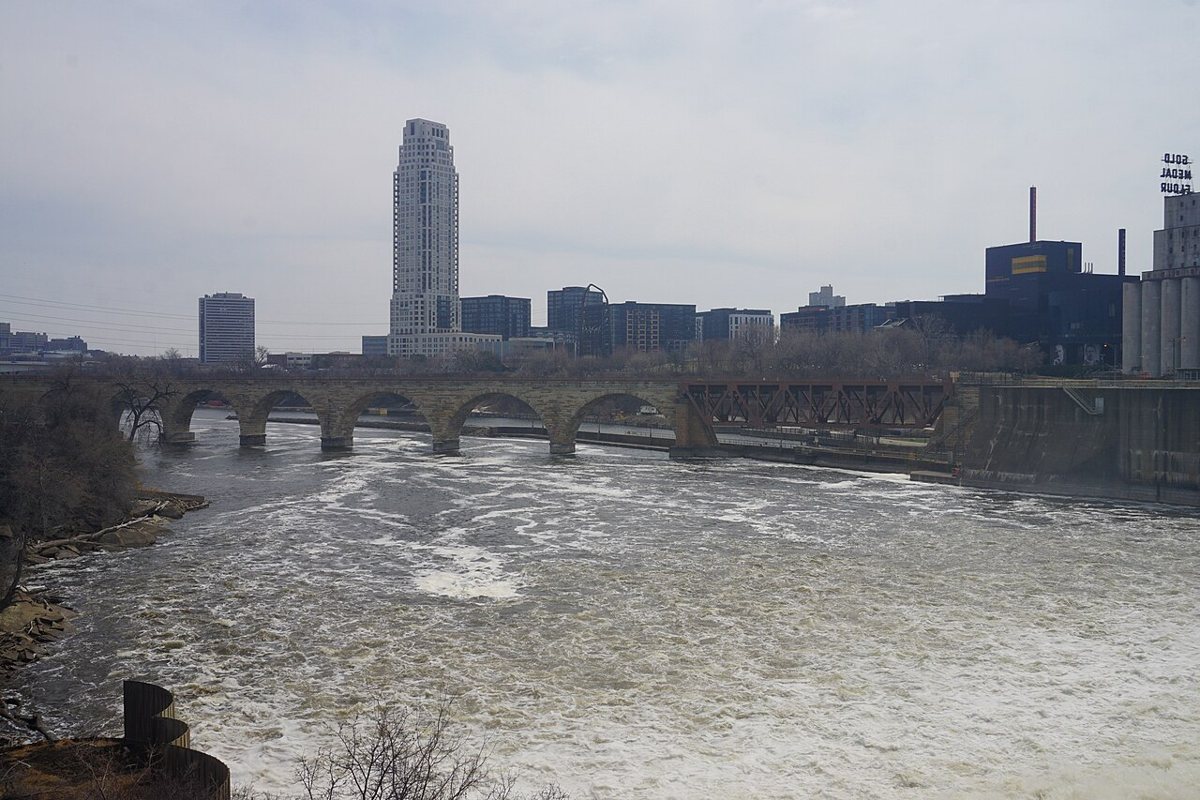
- Watch the lock and dam activity near St. Anthony Falls, the only true waterfall on the entire Mississippi River.
The Stone Arch Bridge is the best way to see all of it at once. The old railroad crossing arcs across the Mississippi just below St. Anthony Falls, closed to cars and given over entirely to people on foot and on bikes, with the downtown skyline on one side and the old flour mills on the other. Walk it at dusk when the mills light up, and stop in the middle to watch the water come over the falls. It connects the downtown Mill District to the east bank near the university, so it works as a bridge between two different afternoons as much as a sight in itself.

Music history you can still stand inside, and things to do in Minneapolis after dark
First Avenue is not a museum piece. The black building with the silver stars on downtown's edge is a working nightclub with a calendar as current as any in the country, and the fact that Prince played here repeatedly, filmed part of a movie inside it, and is memorialized with a star on its exterior wall doesn't make it a relic so much as a reminder of the bar the city holds itself to. Go to an actual show if you can, in the Mainroom or the smaller 7th St Entry next door, rather than just photographing the marquee. If a show isn't in the cards, the exterior stars are worth a slow walk past on your way to dinner downtown, and the story of how Minneapolis built a music scene serious enough to produce Prince, The Replacements, and Hüsker Dü in the same era is worth knowing before you walk in.
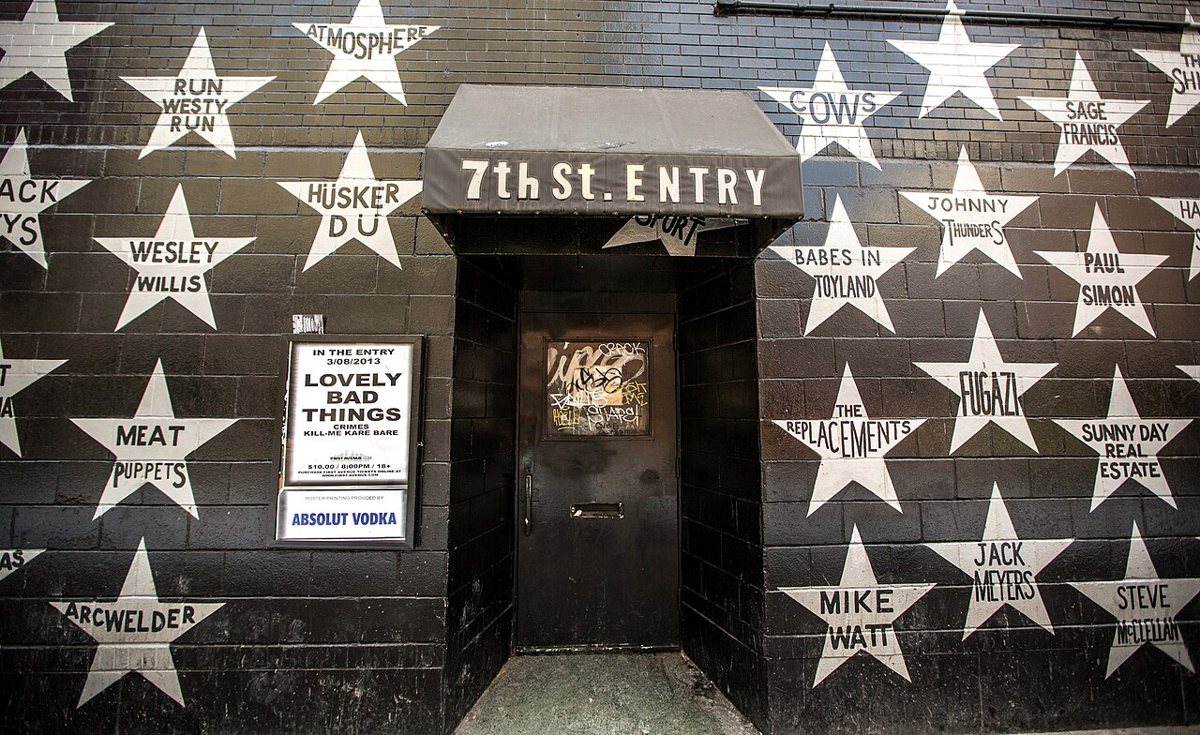

The rest of the city's live music runs through Nordeast and the warehouse district, where brewery taprooms double as informal venues most weekends. This is also where the Northeast brewery crawl earns its reputation, a genuine neighborhood tradition rather than a marketing invention, with taprooms close enough together to walk between and old rail-and-warehouse buildings giving the whole district a texture that newer entertainment districts can't fake.
Nordeast rewards a full afternoon on its own. The neighborhood grew up around Eastern European immigrant communities and old industrial jobs, and that history still shows in the corner churches, the century-old bars, and a couple of long-running Polish and Eastern European delis that never left. Layered over it now is one of the densest arts scenes in the city, with converted warehouse buildings full of working studios that open their doors to the public during the neighborhood's regular art crawls. Walk Central and University avenues, duck into whatever gallery or taproom has its lights on, and eat somewhere old before you drink somewhere new. The stretch is compact enough to do without a car once you've parked.
Theater and the Walker, or why Minneapolis takes culture seriously
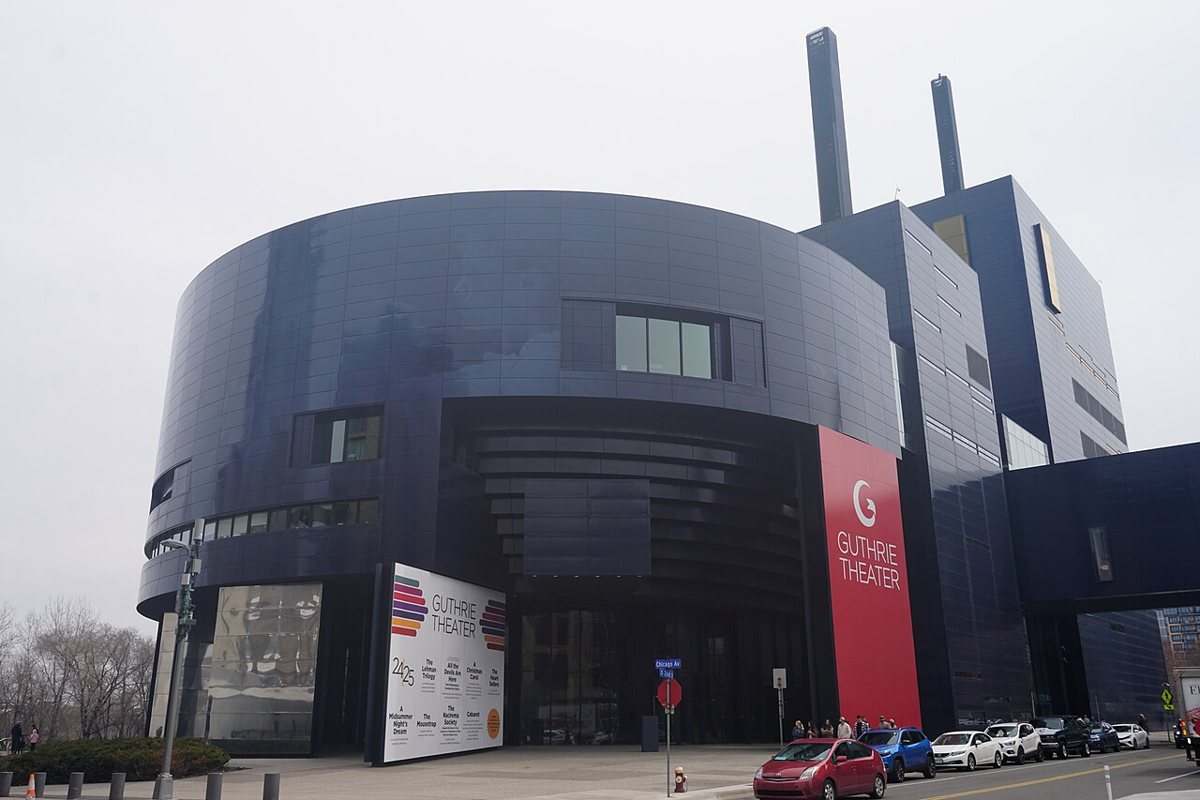
The Guthrie Theater sits on the river's edge in a building with a cantilevered bridge that juts out over the water for no reason other than the view, which tells you something about how the city thinks about its cultural institutions. Founded in the 1960s as an alternative to Broadway's commercial pressures, it remains among the most respected regional theaters in the country, staging classical repertory alongside new commissions. Book a show if the timing works, but even without a ticket, the free public lobby and the endless bridge are worth the walk for the river view alone, particularly at sunset when the Stone Arch Bridge and the old mill district light up downstream. Being a Mill District stop, it pairs easily with the Stone Arch Bridge walk itself.

Across town, the Walker Art Center anchors the city's contemporary art scene, and its adjoining Minneapolis Sculpture Garden remains free and open-air, home to large-scale outdoor works that have become part of the city's visual identity. Wander the garden regardless of whether the museum's current exhibition speaks to you, since the sculpture collection changes more slowly and rewards a second or third visit over the years. Go on a weekday morning if you want the paths close to empty. The Walker sits near Loring Park, an easy add-on for a longer walk before or after.
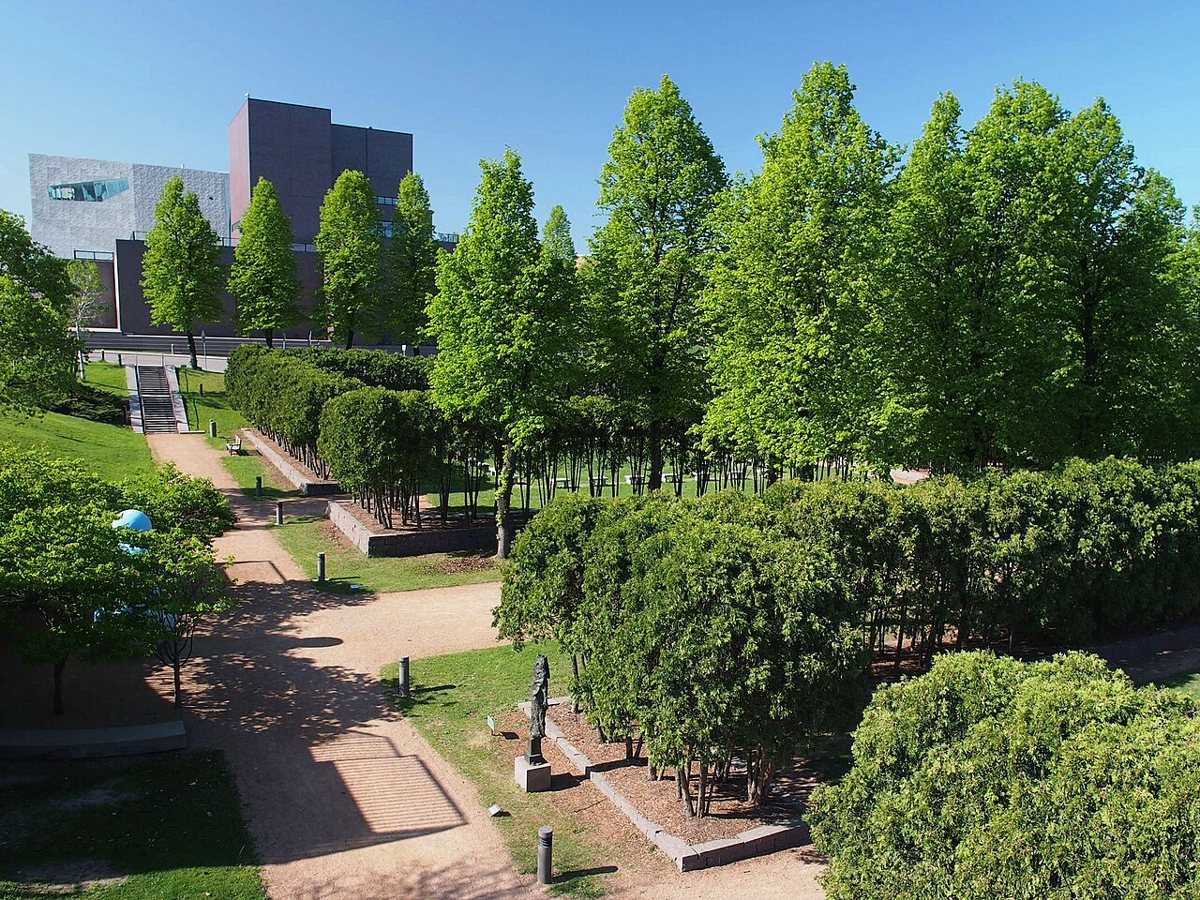

Inside, the Walker itself functions as one of the country's serious contemporary art museums, with a permanent collection strong in postwar and living artists and a rotating exhibition calendar that draws work you would otherwise have to travel to New York or Los Angeles to see. The building also runs a well-regarded film and performing-arts program, so a visit can just as easily be an evening screening or a dance performance as an afternoon of galleries. Buy a ticket for a specific show rather than wandering in cold, and give the top-floor views over the sculpture garden and the downtown skyline a few minutes before you leave.
Eating your way through the neighborhoods: the real things to do in Minneapolis for food people
Nicollet Avenue south of downtown earned the nickname Eat Street decades ago and has only gotten more interesting since, with Vietnamese pho houses sitting a few doors from Mexican taquerias, Ethiopian and Somali restaurants, and old-guard diners that predate the name entirely. Few streets show more clearly how central East African cooking has become to how Minneapolis eats, not a side note but one of the defining cuisines of the city given the size and influence of the local Somali community, among the largest in the United States. Order a plate of sambusas and a stew with anjero if you haven't tried Somali food before, then walk a block for pho, and treat the street as a tasting menu rather than a single stop.
The Juicy Lucy deserves its own paragraph because it is a genuinely Minneapolis invention, not a marketing gimmick: a burger with the cheese sealed inside the patty rather than melted on top, said to have originated at one of a couple of no-frills bars that still argue about who did it first. Order it well-done past medium, because the molten cheese needs the extra time, and be warned about the first bite. It's a bar-food ritual as much as a meal, best done at one of the old-school spots that still serves it the original way rather than an upscale reinvention.
Walleye shows up on menus across the city as the signature freshwater fish of the region, usually pan-fried or blackened, and hot dish, the Midwestern casserole built on cream soup, potatoes, and a starch, remains a genuine comfort food rather than an ironic throwback, especially at supper clubs and diners that have served it for generations. Seek out both at a classic Twin Cities supper club rather than a tourist-facing restaurant, where the preparation tends to be plainer and better.
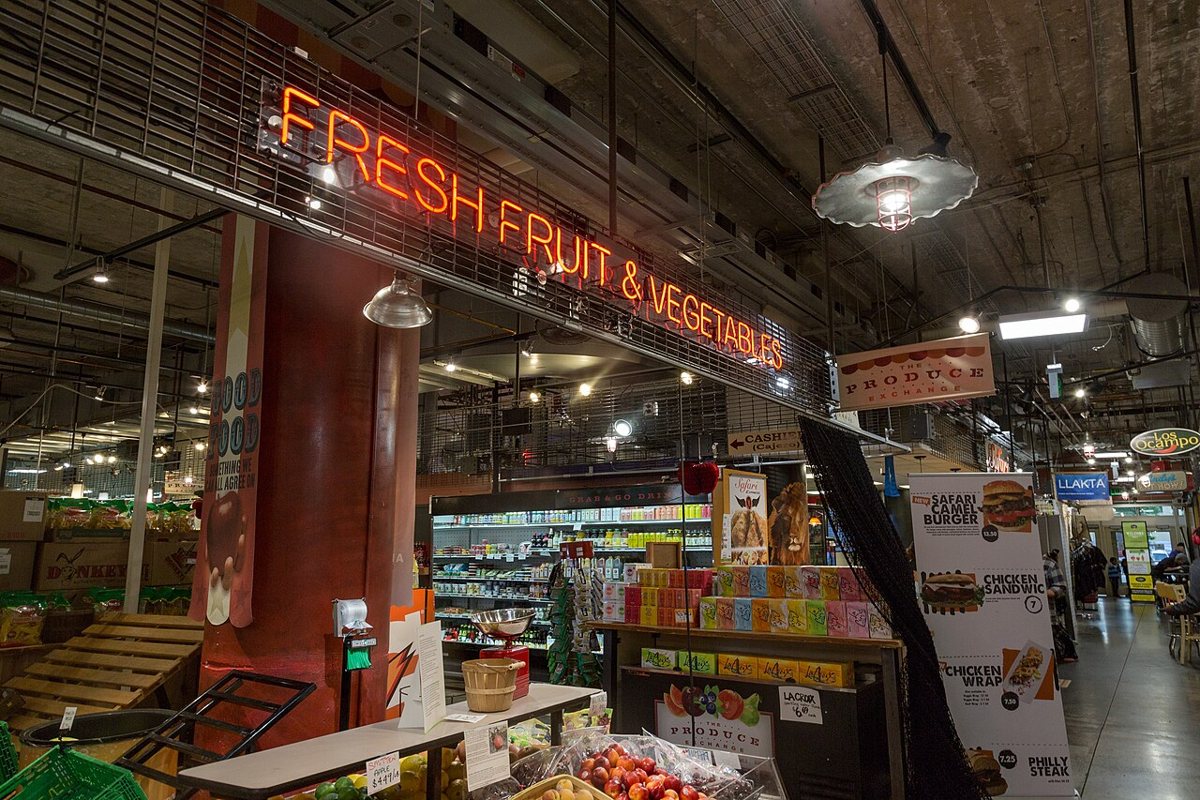
For a single stop that captures how the city actually eats, the Midtown Global Market on Lake Street is hard to beat. Housed inside a former Sears building, it gathers dozens of independently owned food stalls and small grocers under one roof, with East African, Mexican, Middle Eastern, and Scandinavian vendors sitting side by side. It reads less like a food hall built for tourists and more like a cross-section of the immigrant communities that shape South Minneapolis. Go hungry, order from two or three counters that look busy with regulars, and use it as a low-stakes way to taste a dozen cuisines in an afternoon.

North Loop and the market culture
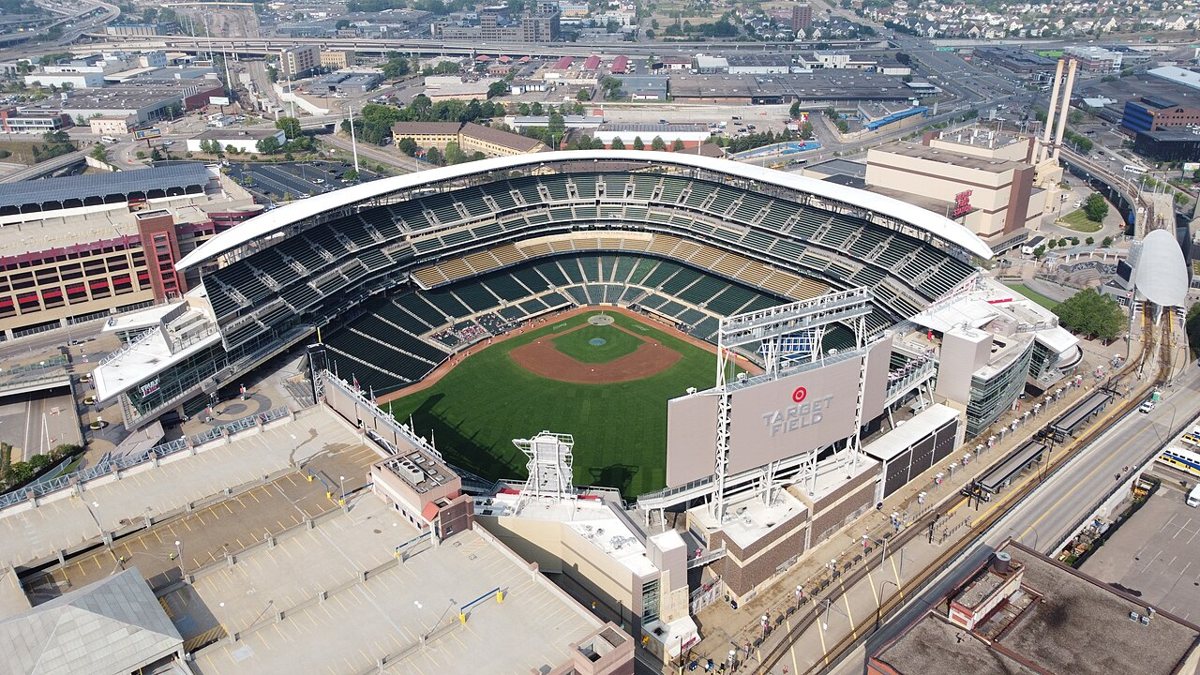
North Loop's old warehouse blocks have become the city's most concentrated stretch of restaurants, boutiques, and residential lofts, all inside brick buildings that used to house grain and hardware wholesalers. Wander it on foot rather than by car, since parking is tight and the appeal is entirely about ducking into whatever storefront catches your eye. Pair it with a stop at a public market nearby for a faster, cheaper lunch than the sit-down restaurants around it, and save the evening for one of the district's more ambitious dinner spots. The neighborhood also sits within an easy walk of Target Field, so a day game and a North Loop dinner make a natural pairing during baseball season.

Neighborhood culture beyond downtown
Dinkytown, tucked against the University of Minnesota, keeps a scrappy college-town energy with used bookstores, cheap eats, and music venues that have hosted touring acts since Bob Dylan played here before he was Bob Dylan. Seward and Longfellow, both along the river south of downtown, mix co-op grocery culture with some of the city's most interesting small restaurants, and both neighborhoods reward a slow walk more than a checklist. None of these areas need a headline attraction to justify a visit. They're worth it for the walk itself, a coffee shop, and whatever restaurant looks busiest at seven on a weeknight, which is usually the right one.
The east bank of the river, across from downtown near the university, deserves a slow walk of its own. St. Anthony Main and the cobblestone stretch along Main Street give you the best straight-on view of the downtown skyline reflected in the water, and the riverfront path connects back to the Stone Arch Bridge without ever putting you on a busy road. Early evening is the moment to do it, when the light drops behind the towers and the mills catch the last of it. Grab an ice cream or a coffee from one of the older storefronts along Main and take the long way back across the bridge.
Seasonal things to do in Minneapolis, and why summer isn't the only good answer
Summer gets the most attention because of the lakes and the patios, but the shoulder seasons have their own case. Fall brings color along the Grand Rounds parkway system and cooler air that makes the Chain of Lakes loop genuinely pleasant to bike for hours. Winter, contrary to the easy jokes, is when the theater and music calendars get busiest, when the Guthrie and First Avenue both run full schedules, and when a walk across the Stone Arch Bridge with the river partly frozen below has its own stark beauty that summer can't match. Spring means Minnehaha Falls at its most dramatic, swollen with snowmelt, before the crowds arrive. The point isn't that winter is secretly warm. It's that the city's indoor cultural life doesn't pause for the cold, and a lot of the best theater tickets and music bookings land between November and March.
Timing it right
- Weekday mornings are the quiet window at the Walker's sculpture garden, Minnehaha Falls, and the lake paths.
- Weekend evenings are when Nordeast taprooms and Eat Street restaurants are busiest, so go early if you want a table without a wait.
- Check current hours and any current exhibition or show schedule before building a day around a single venue, since museum and theater calendars shift seasonally.
Practical notes: getting around and what's actually free
Minneapolis rewards a mix of biking and walking more than driving, especially around the lakes and downtown, where the Grand Rounds parkway system connects most of the major green space by bike lane. A car helps for reaching Longfellow, Nordeast, or a supper club further out, but isn't necessary for a day built around downtown, Uptown, and the lakes. Public bike share and a decent network of dedicated paths make the lakes loop genuinely easy without a car at all. For a fuller rundown of where to eat once you're out there, our guide to the city's essential restaurants goes deeper than a single afternoon allows.
- Free: the Chain of Lakes paths, Minnehaha Falls park and gorge trail, the Minneapolis Sculpture Garden, the Guthrie's public lobby and river-view bridge, and most of the Stone Arch Bridge walk.
- Worth budgeting for: a Guthrie or First Avenue ticket, a supper club dinner, and a kayak or paddleboard rental on the lakes.
- Remember Minneapolis and St. Paul are two different cities with their own downtowns, so don't assume a single day can cover both without real travel time between them.
The bottom line on things to do in Minneapolis
The mistake visitors make is treating this as a checklist city, something to be conquered in a long weekend between a football game and a shopping trip out in the suburbs. It works better as a place you wander through by neighborhood, letting the lakes, the river, the music venues, and the food streets set the pace rather than an itinerary. Come for First Avenue and stay for the Somali restaurant three blocks away that nobody put on a top-ten list. That's the actual city, and it's a better one than the postcard version.