Best New Restaurants in Minneapolis, Tried and Tested
The city's most reliable new-restaurant radar has nothing to do with press releases and everything to do with who's still cooking there six months in.
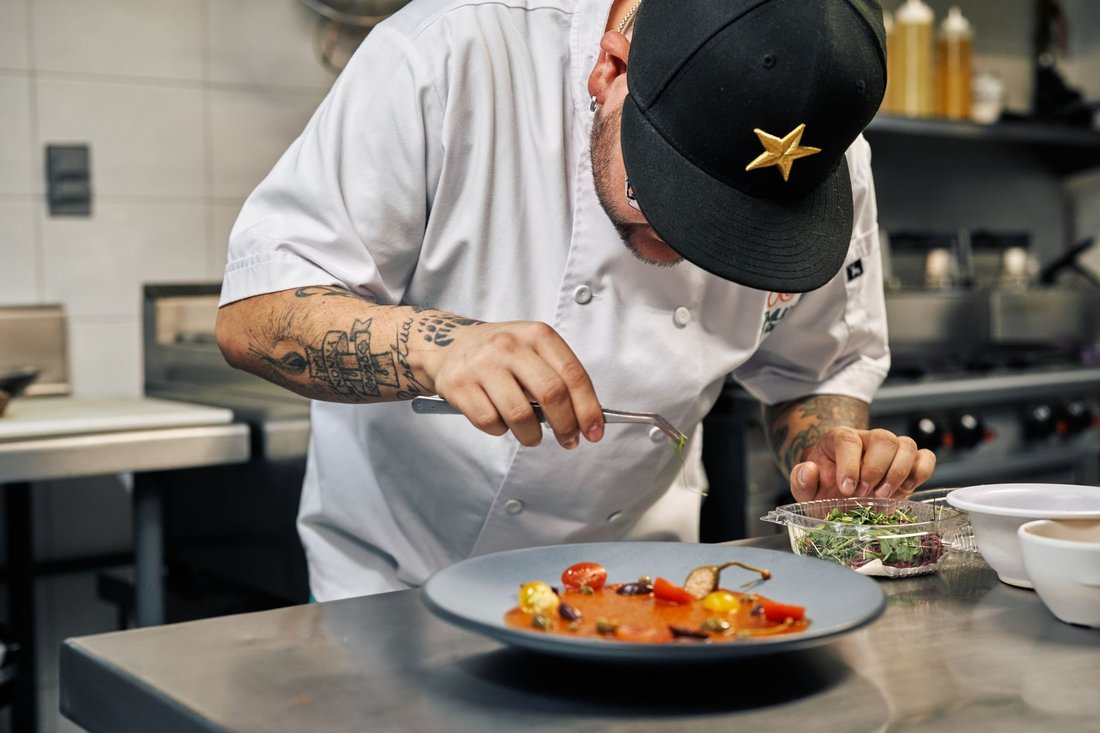
By the time a new dining room's Instagram bio drops "opening soon" for an actual reservation link, the good tables are already booked three weeks out. That's the real signal in this city, not the press release and not the friend-of-a-friend text, but the moment a kitchen stops soft-launching and starts running full service on a Friday. Finding the best new restaurants in Minneapolis takes some of that same patience: watching where line cooks eat on their night off, not just where the marketing budget points.
This is a city that opens restaurants in waves tied to real estate and weather, not hype cycles. A liquor license clears in April, a build-out finishes in July, and suddenly North Loop or Nordeast has three new patios pouring the same week. Knowing the rhythm helps more than any single list ever will.
What Actually Makes the Best New Restaurants in Minneapolis
A splashy opening week means nothing. Any kitchen can run a tight menu for its first ten days when the chef-owner is expediting every ticket personally and the walk-in is stocked for a party. The real test comes at week eight, after the opening cooks have rotated out, after a Tuesday in February when the room is a third full and the kitchen still has to hold its standards. That's when a restaurant either settles into itself or starts quietly cutting corners.
Ask a server how long they've been on staff. Ask if the chef is still in the building most nights. A menu that hasn't changed at all since opening can mean confidence in a strong idea, or it can mean nobody's paying attention. A menu that changes every week can mean a genuinely seasonal kitchen, or it can mean the walk-in cooler is dictating the specials out of necessity. Neither answer is automatically good or bad. The point is to ask.
Reservation difficulty is a weak proxy for quality, useful mostly as a starting filter. A three-week wait tells you a restaurant is talked about. It doesn't tell you whether the kitchen can execute a sauce correctly on a slammed Saturday, which is the only question that actually matters once you're in the chair.
Neighborhoods Worth Watching
New openings cluster in a handful of corridors, and each one has its own personality.
- North Loop keeps absorbing warehouse space into dining rooms with high ceilings and open kitchens, drawing chefs who want exposed brick and room to build a wood-fired program.
- Nordeast still runs on brewery gravity, and the restaurants that plant themselves near the taprooms along the arts district lean into Eastern European heritage or build a menu specifically to pair with beer flights next door.
- Eat Street, Nicollet Avenue's long stretch through Whittier, keeps adding to a pho and Southeast Asian corridor that's been serious for decades, alongside a growing footprint of Somali-owned kitchens reflecting one of the largest Somali communities in the country. Sambusas, sabaayad, and slow-cooked suqaar deserve the same attention food writers give a new Italian tasting menu.
- Seward and Longfellow trend toward family-friendly spots with co-op-adjacent sourcing, the kind of place that lists the farm on the menu without making a production of it.
- Uptown and Linden Hills draw openings built around the Chain of Lakes crowd, casual enough for a post-bike-ride dinner but polished enough for a first date.
Cross-reference a new opening's neighborhood against what that stretch already does well. A new steakhouse in a corridor already stacked with steakhouses has to be exceptional to matter. A new opening filling an actual gap, a genuinely good bakery-café in a neighborhood that's never had one, earns its buzz faster and deserves more benefit of the doubt early on.
What to Order When You Don't Know the Menu Yet
Skip the dish that sounds safest. A new kitchen's simplest-looking item, a roast chicken, a burger, a bowl of noodles, is usually where the chef is proudest of technique, precisely because there's nowhere to hide a shortcut. Order that before the dish with the most adjectives attached to it.
Ask what's new since opening. Kitchens that are cooking seriously will have already dropped a dish or two and added something better; a server who can talk through that evolution is a good sign the whole operation is paying attention. If the walleye or a Juicy Lucy riff is on the menu, order it as a baseline: both dishes have deep roots here, and a kitchen's version of a Twin Cities standard tells you a lot about how it thinks about the rest of the menu.
Timing a Visit
Patio season compresses a lot of openings into a tight window between Memorial Day and Labor Day, when a restaurant can lean on outdoor seating to cover early service hiccups. A restaurant that opens in November and survives its first real Minnesota winter service, no patio to hide behind, has already cleared a bar plenty of warm-weather openings never face. If you're weighing where to spend an evening out, a new opening that's made it through one full winter is generally a safer bet than one still riding its launch-week wave.
New restaurants also make a low-stakes way to sample a wider range of the city's cooking without committing a full evening: a lot of first-timers show up first inside one of the city's food halls, testing a concept before signing a lease of their own. And if you're building out an evening around a new spot, it's worth pairing it with something more familiar nearby, one of the go-to date night spots the city already trusts, so the risk of one so-so course doesn't sink the whole night.
The best approach isn't chasing a single ranked list. It's building a habit: check back on a promising opening at the three-month mark, ask the people actually working the line, and trust the dish that looked too simple to be interesting. That's how this city's most durable restaurants get found, one unglamorous Tuesday dinner at a time.