Spring Things to Do in Minneapolis You Shouldn't Miss
The lakes crack open, the falls go loud with snowmelt, and for about six weeks Minneapolis remembers it's a river city before the July crowds show up.

The first real spring day in Minneapolis doesn't ease in. One week the Chain of Lakes is still rimmed with gray, pockmarked ice, and joggers are picking their way around slush patches on the Greenway. Then a Tuesday hits sixty degrees, and the whole city seems to walk outside at once. Bikes come out of garages that haven't been opened since October. Someone is already grilling on an Uptown balcony while snowbanks in the alley behind them haven't fully melted. That collision, ice one week and bare arms the next, is exactly why spring things to do in Minneapolis reward a little planning. By the time the lakes reopen and the falls run loud with runoff, the patios still haven't filled with July crowds, and that window is short, so the people who live here know better than to waste it.
This is not a guide about surviving anything. Minneapolis in spring is not a consolation prize for the winter you endured. It's the season the city's confidence shows: the theater season hits its stride, the music venues wake up, the farmers markets set up their first tents, and a river that's been locked under ice all winter starts moving again, audibly, at St. Anthony Falls. Here's where to be for it, organized the way a local would actually plan a spring weekend.
Spring Things to Do in Minneapolis on the Water
Minneapolis was built around water, not just the Mississippi but a chain of glacial lakes that define how the city moves in warm weather. Spring is when that relationship gets loud again, first with meltwater, then with the sound of bike bells and oar locks.
Minnehaha Falls
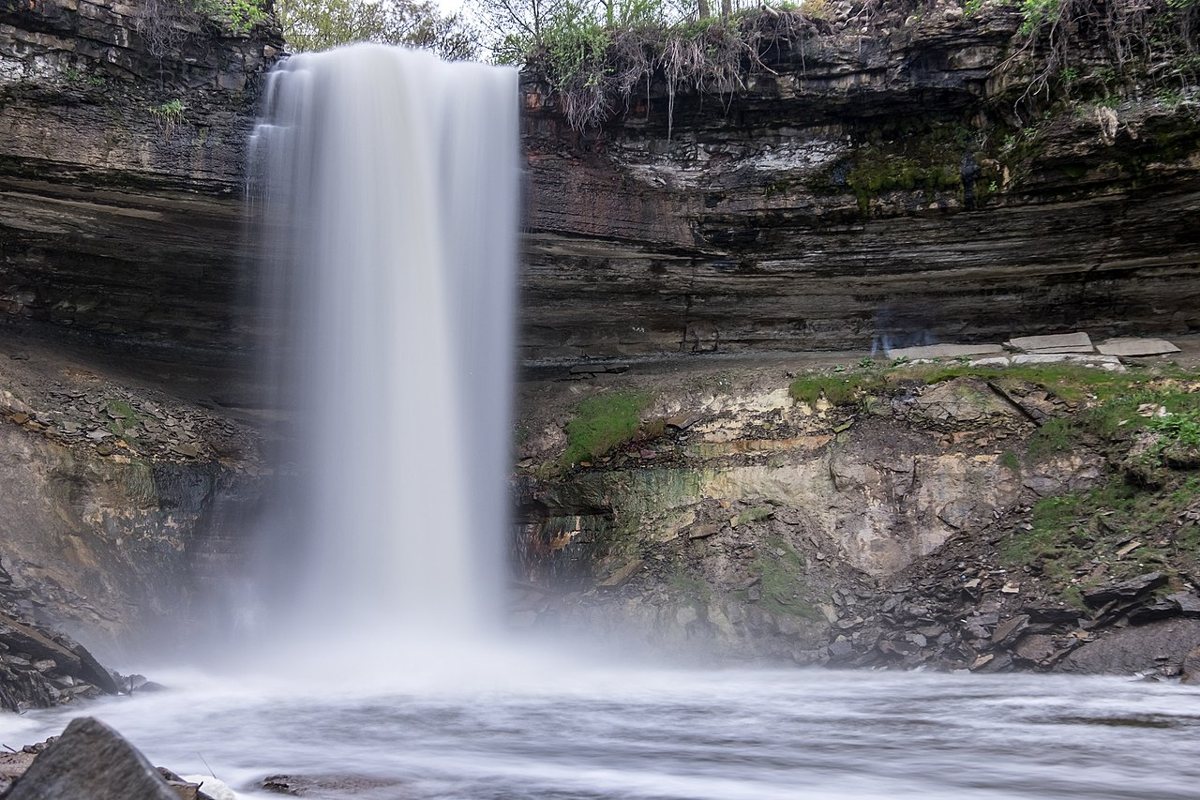
Minnehaha Falls is a fifty-three-foot limestone waterfall inside a city park in south Minneapolis, and most of the year it's a pleasant photo backdrop. In spring it's something else entirely. Snowmelt pushes the creek to its highest flow of the year, and the falls go from a trickle you can hear about to a genuine roar you can hear from the parking lot. Walk down the stone steps to the base of the gorge for the full effect, then follow the paved path along Minnehaha Creek downstream to where it meets the Mississippi River. Timing is the insider move: go on a weekday morning, or the day after a warm rain, when the flow peaks and the crowds haven't caught up yet. It sits in the Longfellow neighborhood, an easy ride down the river road from downtown.
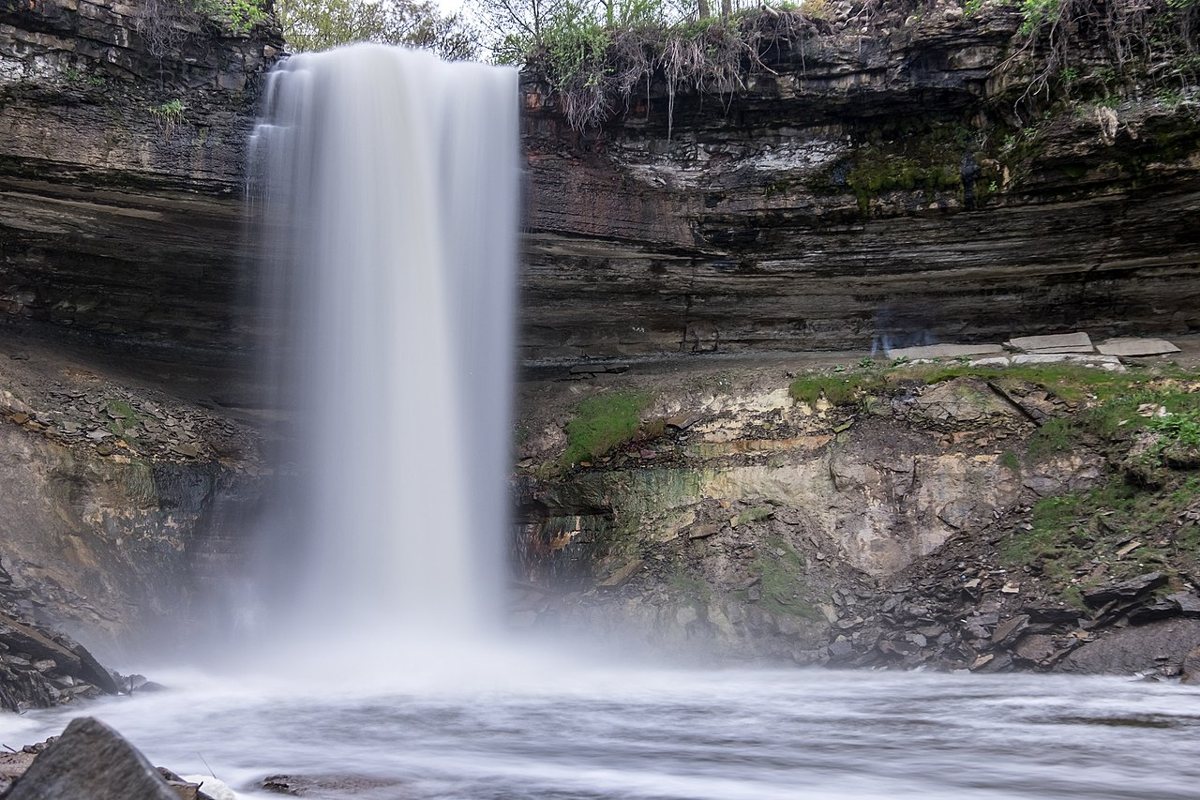
Longfellow rewards a slow morning here more than almost anywhere else in the city. Pair the falls with a walk along the creek, and you've covered the best free hour of spring in Minneapolis without spending a dime.
Bde Maka Ska and the Chain of Lakes
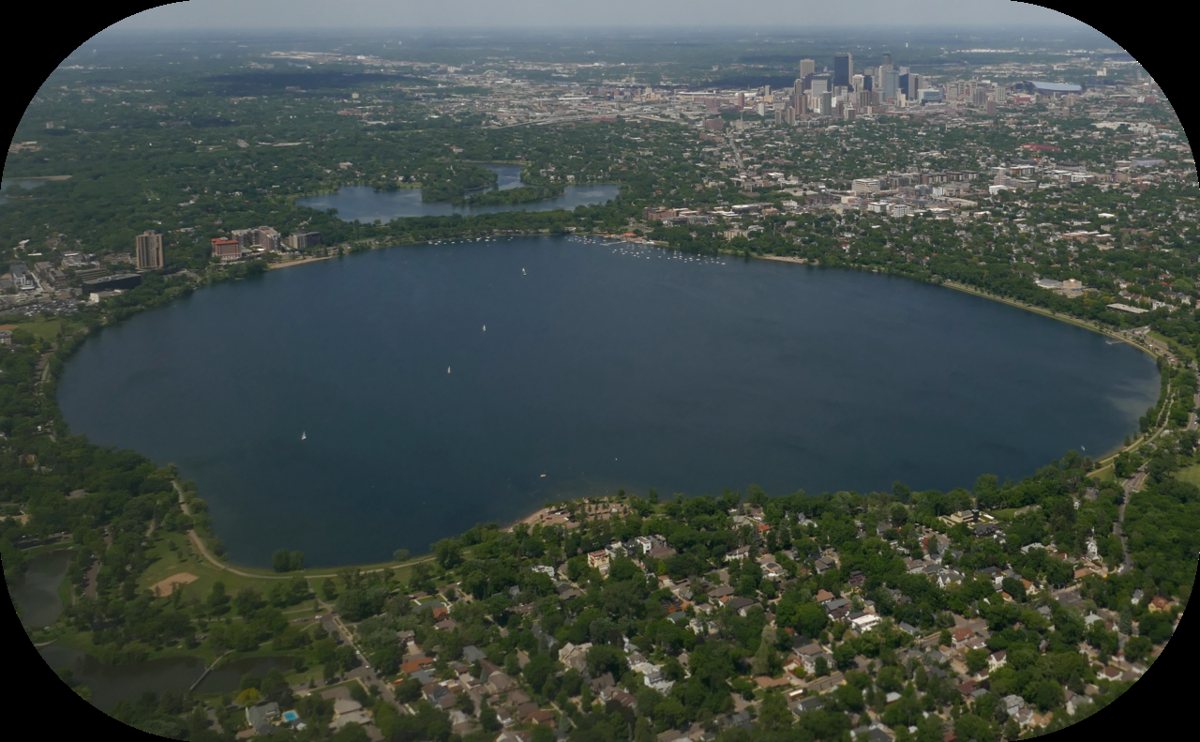
Bde Maka Ska and Lake Harriet anchor the Chain of Lakes, joined by Lake of the Isles in a ring of connected paths that Minneapolis treats less like a park system and more like a civic identity. Ice-out, the day the lakes finally clear, is an actual local event, tracked and argued about the way other cities track opening day for baseball. Once it happens, the paved paths around Bde Maka Ska fill with runners and real riders alike, and boathouses start pulling canoes and paddleboards out of storage. Walk or bike the full loop around Bde Maka Ska for the classic route, or head to quieter Lake of the Isles for a slower lap past the mansions along its shore. Locals time it for sunset in April, when the light is low and gold and the lake is still calm enough to mirror it, before the summer crowds turn the path into rush hour. This is Uptown and Linden Hills territory, both walkable from each other along the water.

Stone Arch Bridge and St. Anthony Falls
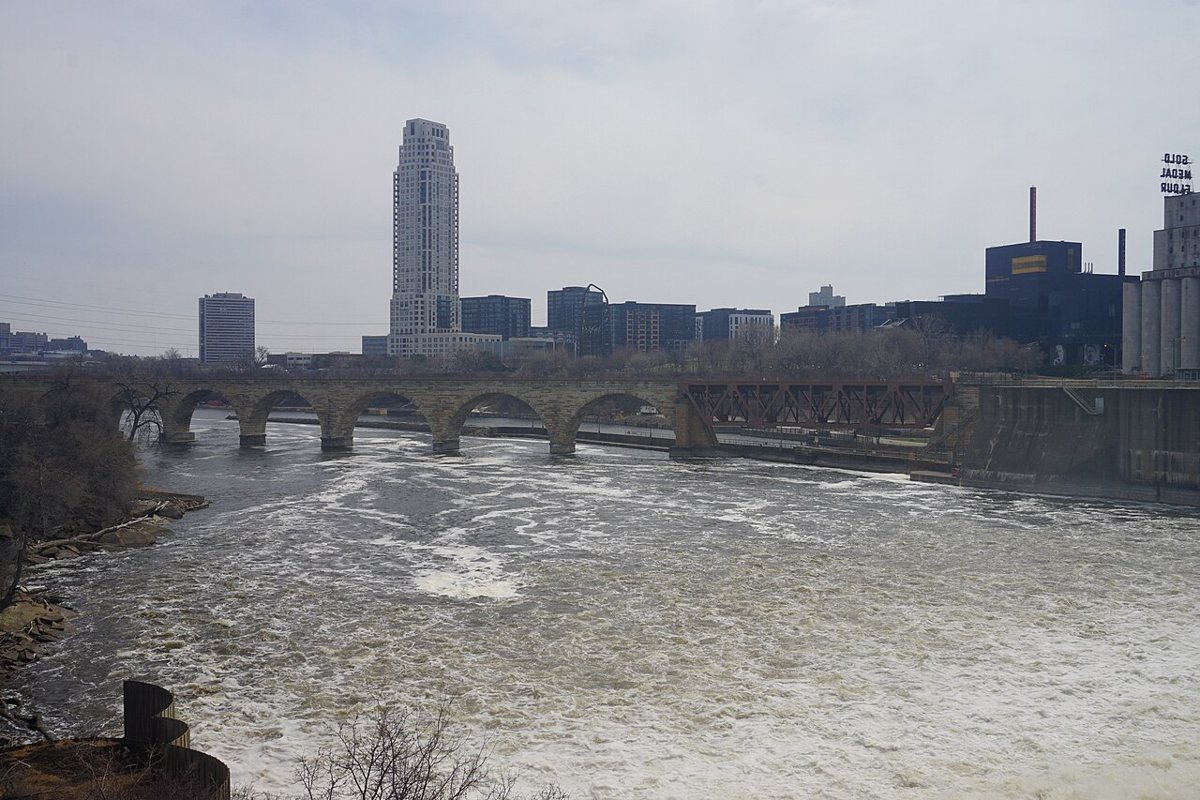
A retired railroad bridge, now pedestrian and bike only, the Stone Arch Bridge arcs across the Mississippi River right at St. Anthony Falls, the only major waterfall on the entire river. Spring runoff pushes more water over the falls than at any other point in the year, and the view from the middle of the bridge, milling ruins on one bank, downtown skyline on the other, is one of the more dramatic things you can see for free in this city. Walk it slowly. Stop at the overlooks. Aim for dawn or right around sunset, when the light hits the old Pillsbury and Gold Medal Flour signs across the water and the bridge itself is nearly empty. It connects the Mill District to the Northeast side of the river, an easy add-on to a downtown afternoon.

Art, Theater, and Music Come Back Outside
Local culture here runs deeper than visitors expect, surprising anyone who hasn't spent real time in the city, and spring is when it stops being purely indoor business.
Minneapolis Sculpture Garden at the Walker
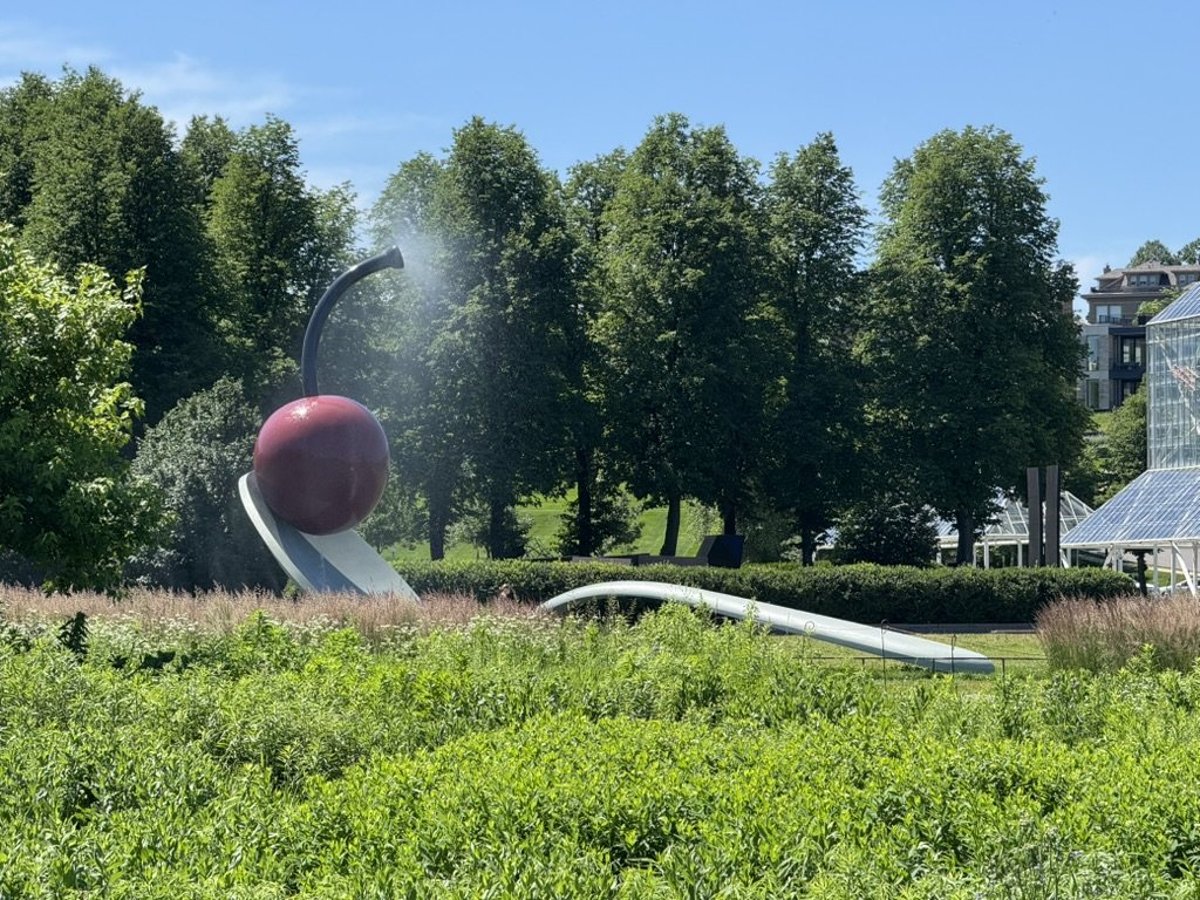
Adjacent to the Walker Art Center, the Minneapolis Sculpture Garden is usually free to walk through and home to Spoonbridge and Cherry, the giant spoon-and-cherry fountain that has become as much a symbol of this city as any skyline shot. In spring, the crab apple trees around the garden start to blossom, and the whole space feels less like a museum annex and more like a public square that happens to have world-class art in it. Follow the full loop, then cut over to nearby Loring Park for more green space. Aim for a weekday morning before school groups and tour buses show up, and check current hours before you go since the Walker's own galleries run on a separate schedule from the outdoor garden. It sits near the edge of downtown, an easy walk or short ride from Uptown.

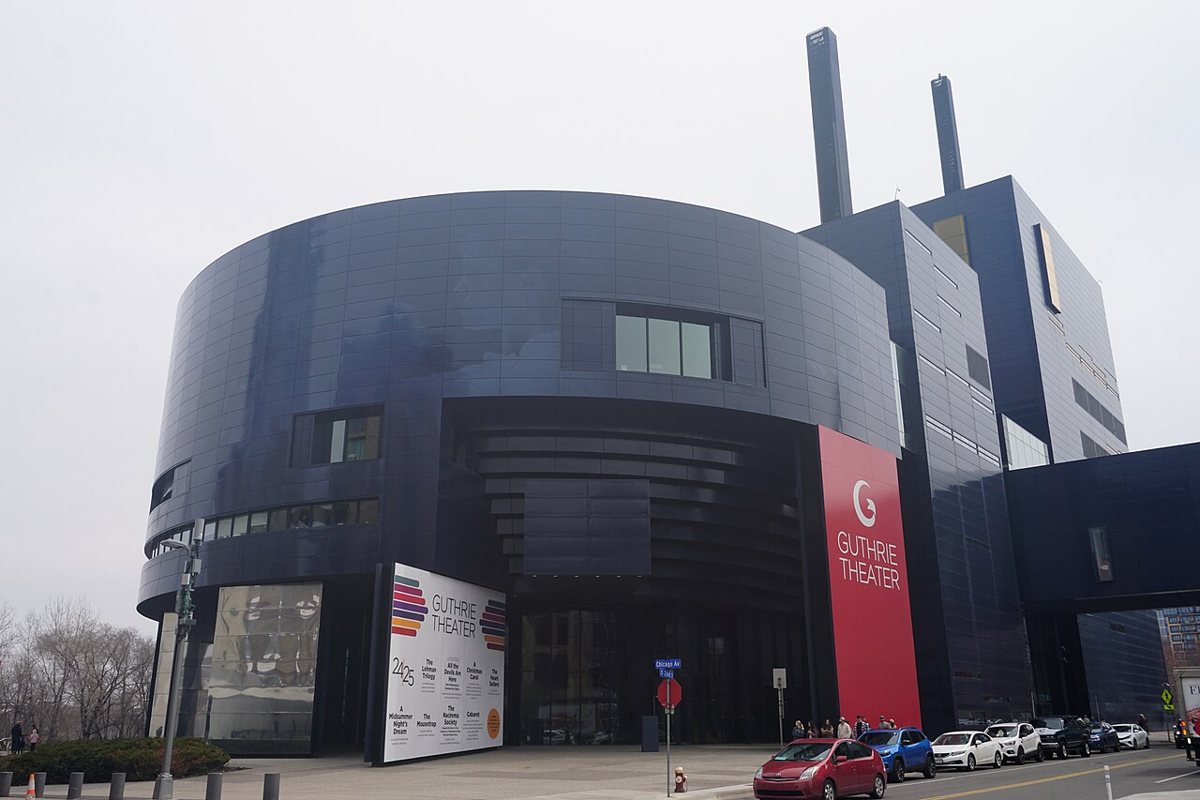
Guthrie Theater
The Guthrie is one of the country's great regional theaters, and its building on the riverfront is worth visiting even if you don't have tickets to whatever's running that spring. Known as the Endless Bridge, the cantilevered lobby walkway juts out over the Mississippi and the old mill ruins below, and the public levels are generally open to walk through without a show ticket. Go up, look out at the river and the Stone Arch Bridge from that angle, then check what's actually on stage that season, since the Guthrie's spring lineup tends to be some of its most ambitious programming of the year. Treat the lobby itself as a standalone stop, not just a pre-show waiting room. It's in the Mill District, a five-minute walk from the Stone Arch Bridge.

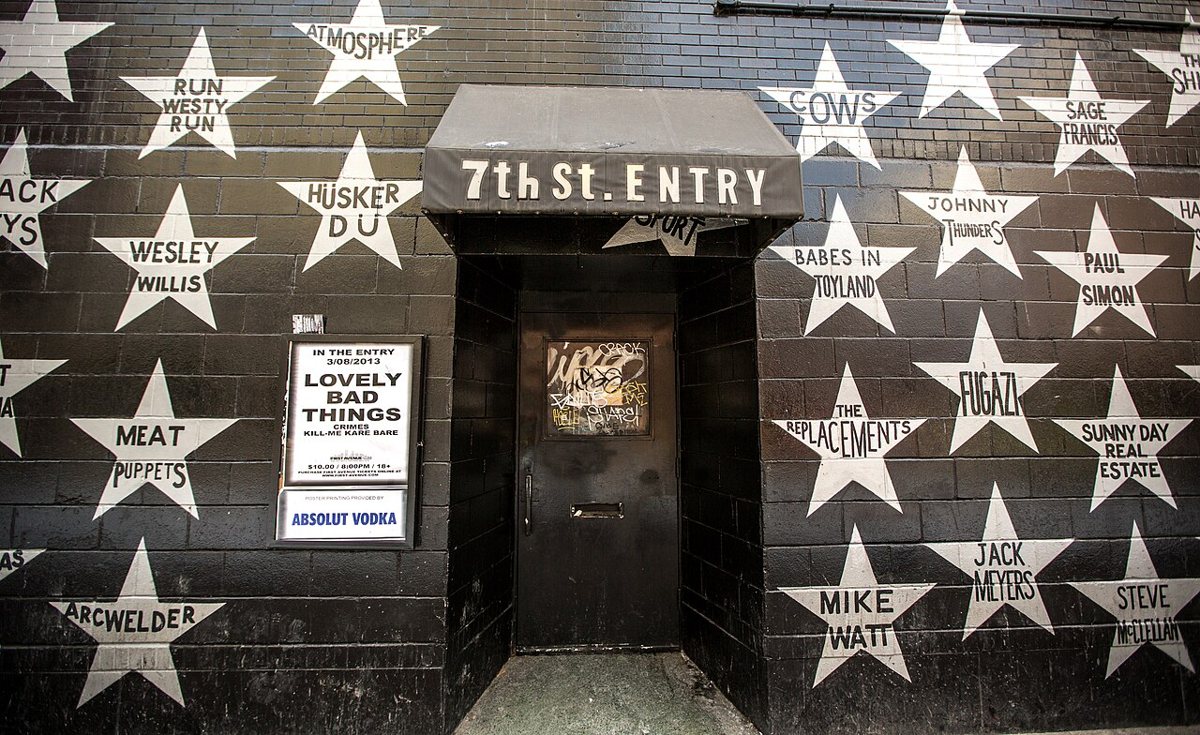
First Avenue
First Avenue is not a museum piece, even though it could coast on history alone. This is the club where Prince filmed Purple Rain, where the stars on the black exterior wall mark the artists who've played there, and it is very much a working venue, not a shrine. Spring is when its calendar picks back up after the slower winter stretch, with both the First Avenue mainroom and the smaller 7th Street Entry booking a heavier run of shows as touring season ramps up. Check the current lineup before you go, and don't overlook the Entry, where tickets are cheaper and the room is small enough to actually feel a show. Most visitors miss this: walk the exterior wall first and find the stars, then go inside. First Avenue anchors the edge of downtown near the Warehouse District.

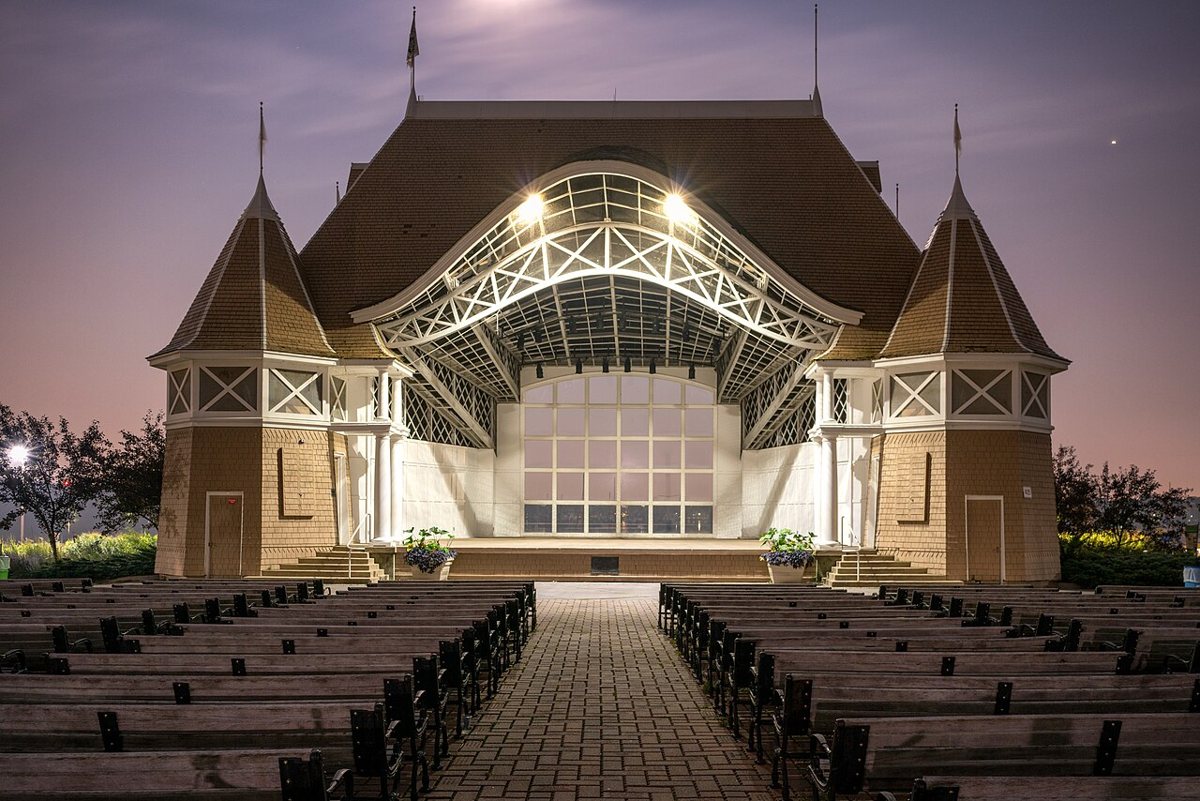
Lake Harriet Bandshell
The Lake Harriet Bandshell sits right on the water at the south end of the Chain of Lakes, and as spring warms up, its concert calendar starts filling back in ahead of a full summer schedule. Even before the season is in full swing, it's worth the walk around the lake just to see the bandshell itself and the restored streetcar line that runs alongside it on a historic trolley. Check what's actually scheduled for the date you're visiting, since spring programming builds gradually rather than starting all at once. Ride the streetcar one direction and walk back around the lake the other way, so you get both the ride and the full loop. It's in the Linden Hills area, an easy pairing with a Bde Maka Ska visit the same day.

Eating Spring in Minneapolis
Minneapolis eats like a bigger city than its population suggests, and the food scene doesn't wait for summer to wake up. One week it's soup weather, the next patio weather, sometimes both on the same day.
Eat Street and a Bowl of Pho
Nicollet Avenue through the Whittier neighborhood earned its nickname, Eat Street, honestly, with a dense run of Vietnamese restaurants alongside other kitchens representing much of the world in a few blocks. Cold mornings still show up this time of year, plenty enough to justify a hot bowl of pho, and this stretch of Nicollet is the obvious place to get one, order it with the herbs and lime on the side and build it yourself. Wander the corridor rather than picking the first door you see, since the range here is part of the point. Nearby blocks add some of the city's East African restaurants to the mix, a reflection of one of the largest Somali communities in the country, which has shaped what "eating well" means in Minneapolis as much as any other single influence. Go for lunch on a weekday, when the lines are shorter and the kitchens aren't slammed.

Mill City Farmers Market
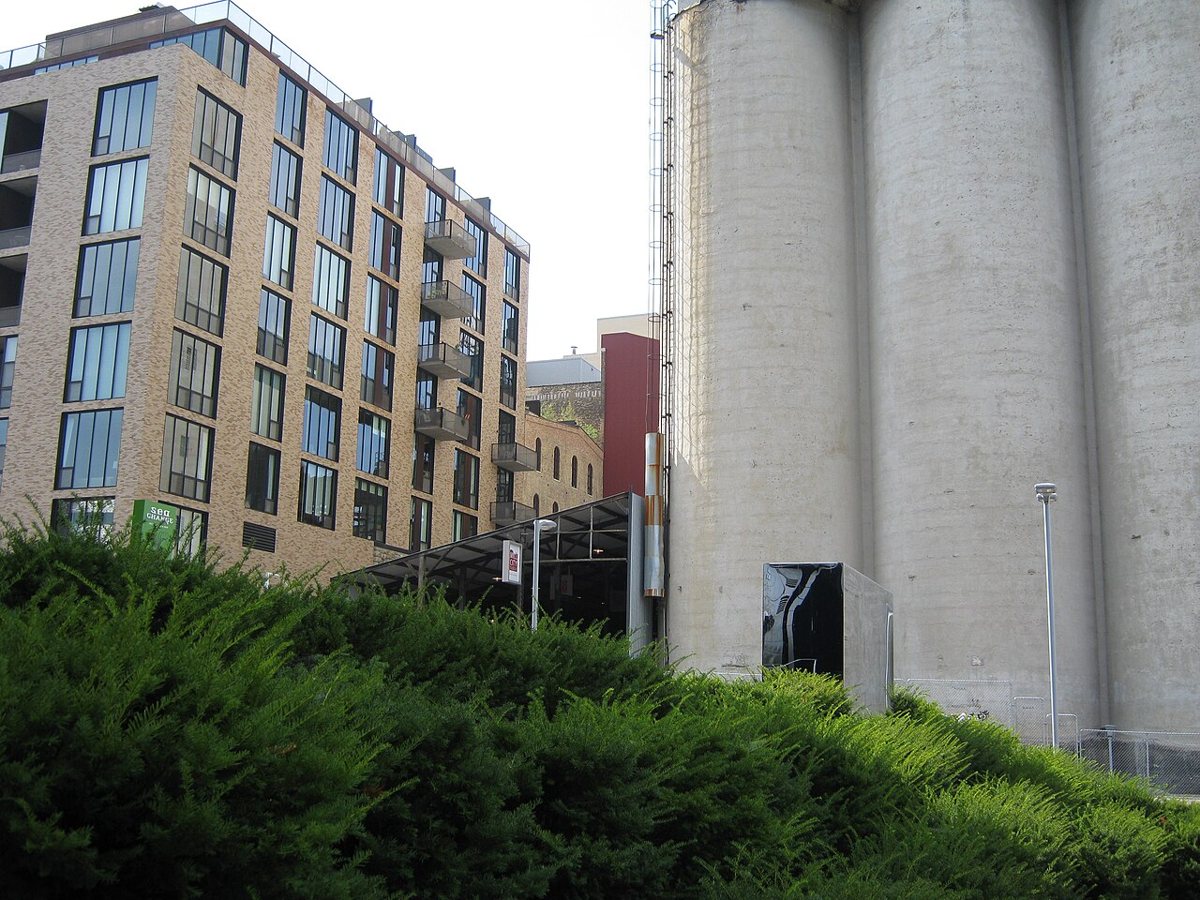
As the weather turns, Mill City Farmers Market sets up near the ruins of the old Washburn A Mill and the Mill City Museum, and it's one of the clearest signs that the city has shifted seasons. Local growers and bakers set up outdoors alongside a handful of makers, and the market draws a crowd that treats it as much as a social ritual as a shopping trip. Go early for the best selection before the popular stalls sell out, and bring cash since not every vendor takes cards. Pair it naturally with a Stone Arch Bridge walk or a Guthrie lobby visit, all within a few blocks of each other in the Mill District.

Two more spring rituals worth building a day around: a plate of fresh walleye, the fish that shows up on menus across the state and feels especially right after a long winter, and a first patio session at a Nordeast brewery, where the warehouse-district taprooms of Northeast Minneapolis start pulling their garage doors open the first warm weekend of the year. Nordeast's brewery scene grew out of the neighborhood's Eastern European and industrial roots, and spring is when it stops being an indoor destination and starts spilling onto sidewalks and rooftops.
Neighborhoods Worth the Spring Walk
Some of the best spring days in Minneapolis aren't built around a single attraction. They're built around a neighborhood you just walk through.
Cedar-Riverside and the Somali Museum of Minnesota
Cedar-Riverside, on the West Bank near the University of Minnesota, is home to one of the largest Somali communities in the United States, and that community has shaped the neighborhood's restaurants and shops, along with its cultural life, for decades. A genuine cultural institution rather than a novelty stop, the Somali Museum of Minnesota holds exhibits on Somali art and textiles, along with its history, and gives visitors a real way to understand a community that has become central to what makes this city distinct. Check current hours before visiting, since museum schedules shift seasonally, and go in with the same curiosity and respect you'd bring to any cultural institution. Pair it with a walk through the surrounding blocks, including Karmel Mall's shops nearby, for a fuller sense of the neighborhood. Few guides send visitors here, which is exactly why this part of the city belongs on this one.


North Loop
North Loop's old brick warehouses now hold some of the city's best restaurants and design shops, plus residential lofts, and spring is when its patios and rooftop bars start filling in earnest. A walkable few blocks from both the Mississippi riverfront and downtown proper, it makes an easy stop to fold into a Stone Arch Bridge or Target Field day. There's no single landmark to point at here so much as a texture worth wandering into on a Saturday afternoon, ducking into shops and stopping wherever looks busy.
Dinkytown
Dinkytown, hugging the University of Minnesota campus, runs on a different clock than the rest of the city, one set by the academic calendar rather than the weather. By spring, the block gets its energy back after a quiet winter, with students filling the sidewalks outside its long-running bookstores and dive bars, its diners just as packed. Dinkytown is less polished than North Loop, and proud of it. Walking through on a warm afternoon gives a sense of the city's college-town side, distinct from both downtown Minneapolis and, for that matter, distinct from St. Paul across the river entirely.
Trails for the Restless
Not every spring day in Minneapolis calls for a destination. Some just call for trees and mud and something blooming.
Theodore Wirth Park and the Eloise Butler Wildflower Garden
Theodore Wirth Park is the largest regional park in Minneapolis, a sprawl of woods and wetlands laced with singletrack on the city's north side, and it holds the Eloise Butler Wildflower Garden, the oldest public wildflower garden in the United States. Early spring is peak season for its ephemerals: bloodroot and hepatica push up first through the leaf litter, trout lily close behind, before the tree canopy fills in and blocks the light. Start on the garden's quiet paths first, then branch out onto the park's wider trail network if you want mileage, whether on foot or a mountain bike. Timing matters most: go right after a warm rain, when the bloom seems to happen almost overnight. Located on the city's northwest edge, near the Golden Valley border, it gets a fraction of the foot traffic the lakes do.

Getting Around, Timing It Right, and What's Free
- Getting around: the Chain of Lakes and the riverfront, plus the Greenway bike corridor, connect most of the spots on this list without a car. Bike share stations cover downtown and Uptown, reaching the university area too, and light rail links downtown Minneapolis to the airport corridor and, on a separate line, out toward St. Paul.
- Timing: ice-out and the first real thaw don't follow a fixed date, so check recent conditions before planning a lake or falls trip around a specific weekend. Weekday mornings beat weekend afternoons almost everywhere on this list for smaller crowds.
- Layers: a sixty-degree afternoon can follow a thirty-degree morning in the same week, sometimes the same day. Dress for both.
- What's usually free: the Minneapolis Sculpture Garden, the Stone Arch Bridge, the full loop around any lake in the Chain of Lakes, Minnehaha Falls and its surrounding park, and the Guthrie's public lobby levels. Mill City Farmers Market is free to browse too, even if you don't buy anything. Always confirm current hours and any admission details before heading out, since those change season to season.
Why This Season Belongs to Minneapolis
People outside Minnesota tend to ask about this city in terms of what it survives, another winter, another polar vortex, as if that's the whole story. Not really. What this season proves instead: a serious theater scene, a music legacy that never went quiet, plus a river running through the middle of it, all coming back online within a few weeks of each other. St. Paul and Minneapolis are not interchangeable, and this list is Minneapolis's own, its falls, its lakes, its riverfront stages, its club with the stars on the wall. Spend a spring weekend moving between the water and the venues, then the neighborhoods that built this city's character, and the case makes itself. Few cities show up for their warm days harder than this one does, precisely because it knows exactly how short the season is.