Summer Things to Do in Minneapolis You Shouldn't Miss
A season guide to the lakes, river, stages and taprooms that make a Minneapolis summer worth planning around.
On a July weeknight, the south shore of Bde Maka Ska fills in a particular order. Paddleboarders drift out first, then the sailboats lean into whatever breeze the evening offers, and by the time the light goes gold, the walking path is a slow parade of strollers, dogs and runners, plus couples who have clearly been circling the lake since college. Nobody is in a hurry. This is what summer things to do in Minneapolis look like at their best: unscheduled and usually free, with water close by in a city that seems to have spent the long winter earning exactly this.
The Twin Cities do summer differently than most places. Minneapolis and St. Paul are separate cities with separate habits, and this guide stays on the Minneapolis side of the river, where the lakes, the mill ruins, the theaters and the ballpark all sit within a bike ride of each other. What follows is organized by the kind of day you want to have: water first, then the river and the neighborhoods and stages that make the city feel like more than a place with nice parks. Everything here is evergreen. Each venue's own site has current hours and ticketing, so confirm before you go.
Start on the Water: The Chain of Lakes
Minneapolis has a parks system most American cities would trade a stadium for, and the Chain of Lakes is its crown. Bde Maka Ska and Lake Harriet, with Lake of the Isles between them, each have their own personality, and locals tend to choose a favorite the way people choose a church or a coffee order. Pick one for the day and let it set the pace.
Bde Maka Ska
The largest lake in the chain draws the widest crowd, and it earns it. Bde Maka Ska (the Dakota name, restored in 2018 and the one everyone in town uses now) has a long shoreline with separate paths for walkers and cyclists, plus swimming beaches and seasonal rentals for kayaks and paddleboards. The lake is deep enough and wide enough that sailing feels real here, not like a pond with a hobby. A morning is the right time when the wind is down, because the surface turns glassy and the downtown skyline sits small and clean on the horizon.
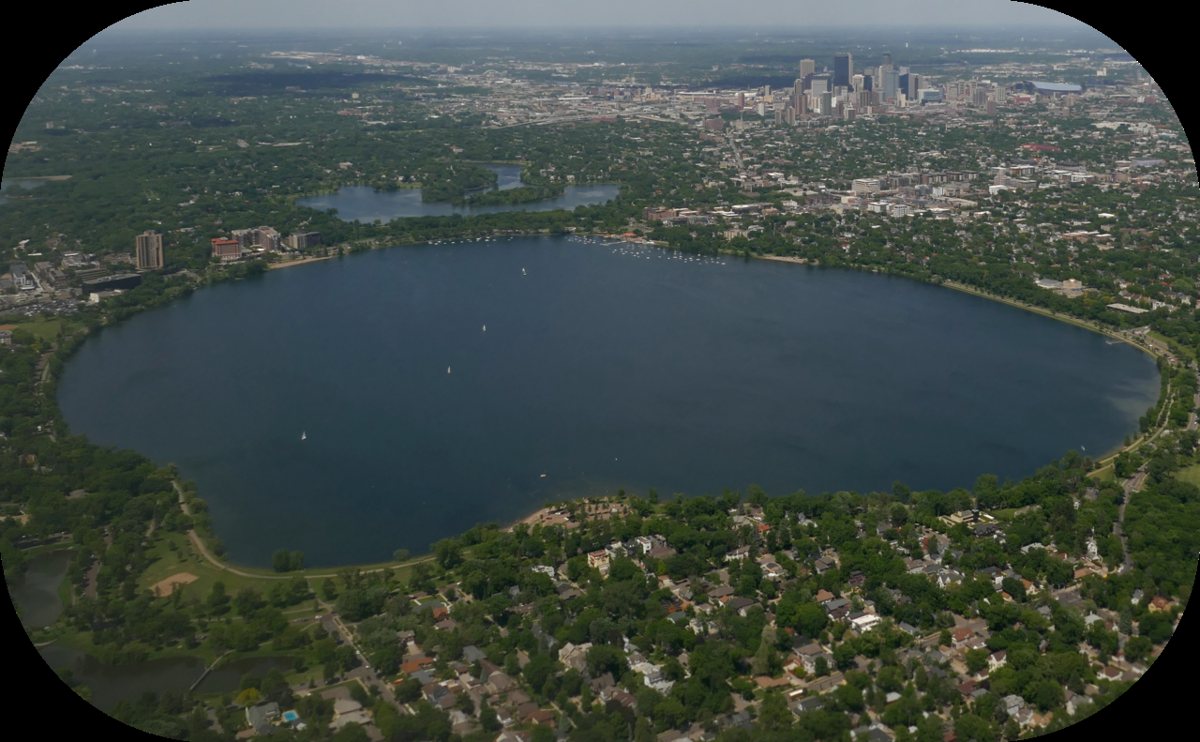

The insider move is to walk the full loop once, whichever way the dogs seem to be going, and notice how the shoreline changes character. The north end is closest to Uptown, so restaurants and bike traffic dominate. The southern stretches go quiet and residential. Bring a swimsuit even if you only half intend to use it. The beaches are lifeguarded in season, and the lake is the cheapest air conditioning the city has.
Lake of the Isles
From the northeast corner of Bde Maka Ska, a short path connects to Lake of the Isles, the prettiest of the chain in the opinion of anyone who has ever wished to buy a house near it. The shoreline here is wooded and the houses are grand, while the small islands in the middle are a bird refuge, so the lake stays hushed even on busy days. It rewards a slow canoe more than a fast run. Go in the late afternoon when the trees throw long shadows across the water.
Lake Harriet
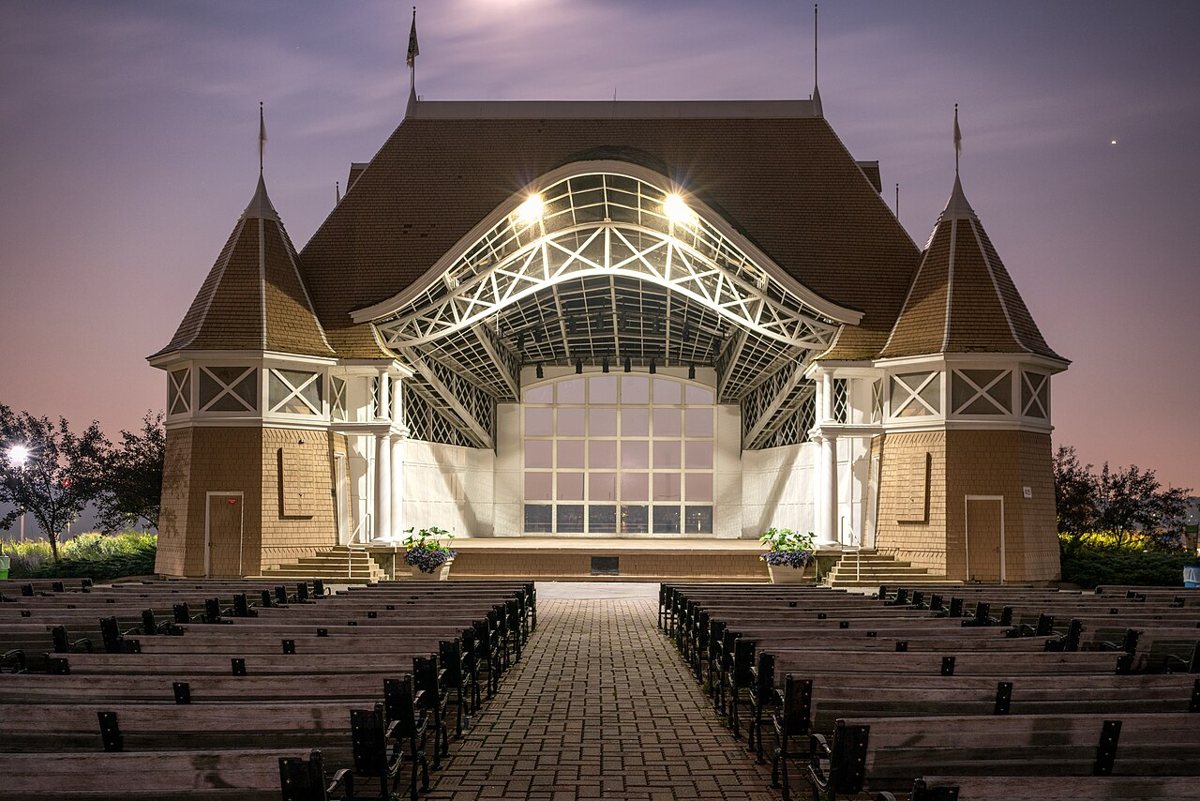
Lake Harriet is the community living room of the south side, and the Lake Harriet bandshell is where that room has its stage. Live music happens on the lawn in front of the bandshell through the summer, in the open-air, bring-a-blanket tradition that Minnesotans carry on without ever debating it. The programming changes year to year, so check the Minneapolis Park Board's schedule before you plan around a specific act. What stays constant is the scene: kids sprawled on grass, grown-ups with folding chairs, ice cream from the Linden Hills side of the lake melting faster than anyone can eat it.

Beyond the bandshell, the lake is worth the walk. The Lake Harriet Rose Garden and the adjoining Peace Garden sit on the north side of the lake, and the Roberts Bird Sanctuary is right beside them for a quieter stretch of path. This is the single evening that makes you feel like a local. Bring a picnic and claim a patch of grass early. Stay until the sky goes pink behind the trees.
Falls, Bridges and Mill Ruins: Summer Things to Do in Minneapolis Along the Mississippi
The river is why the city exists. St. Anthony Falls, the only major waterfall on the Mississippi, powered the flour mills that made Minneapolis rich, and a century later the same riverfront is the best open-air museum in town. The best summer things to do in Minneapolis along the water tend to be free or close to it, which helps.
Minnehaha Falls
Minnehaha Falls is the one postcard the city mails to itself. Minnehaha Creek drops over a limestone ledge into a gorge in Minnehaha Regional Park, a few miles from the river it eventually joins, and it was famous enough in the nineteenth century to inspire a few lines in Longfellow's poem about Hiawatha. The falls look fine in any warm month, though the volume depends on recent rain, so a dry July brings a gentler curtain of water while a wetter June brings the full roar.
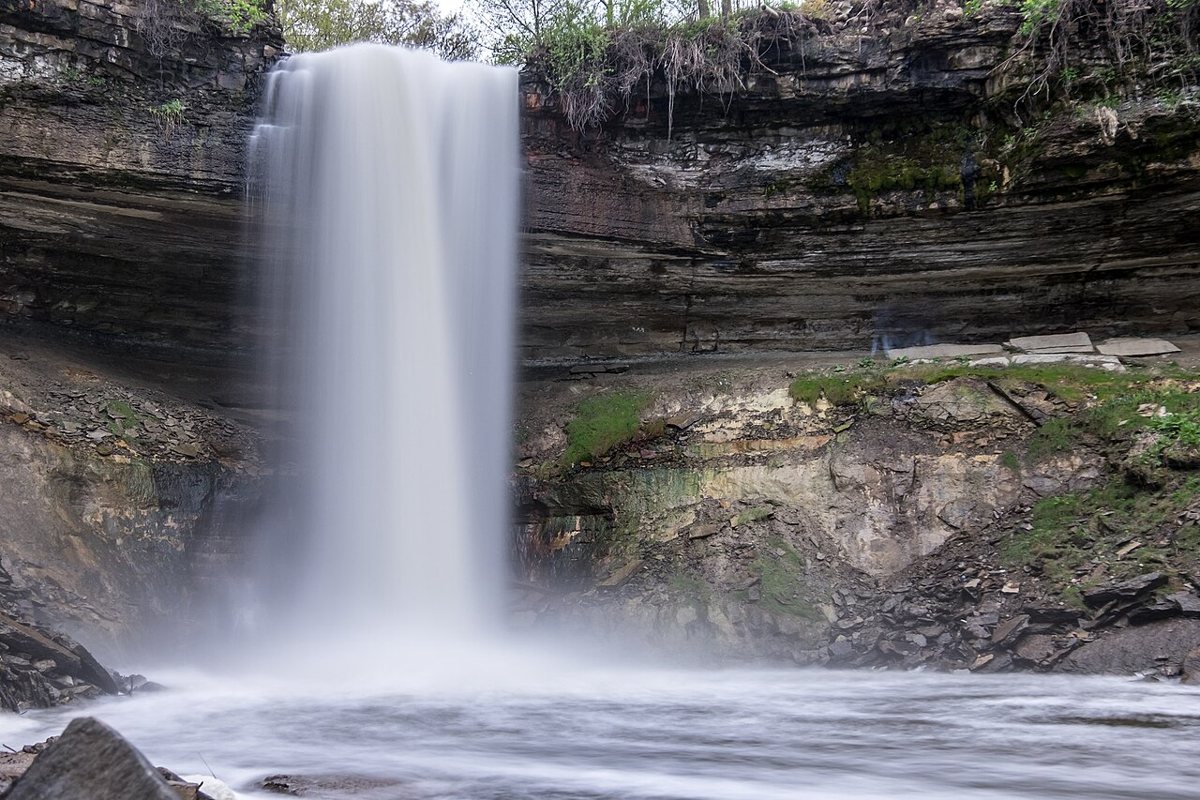

Walk down the stairs to the base of the falls and then follow the creek along the gorge toward the Mississippi. The path is shaded and cooler than the plateau above it, which makes a real difference on a humid afternoon. Up top, the park has picnic tables and plenty of lawn, plus a seasonal food stand. The Blue Line light rail stops close to the park, so you can arrive without a car and skip the parking scramble that hits on warm Sundays.
Stone Arch Bridge
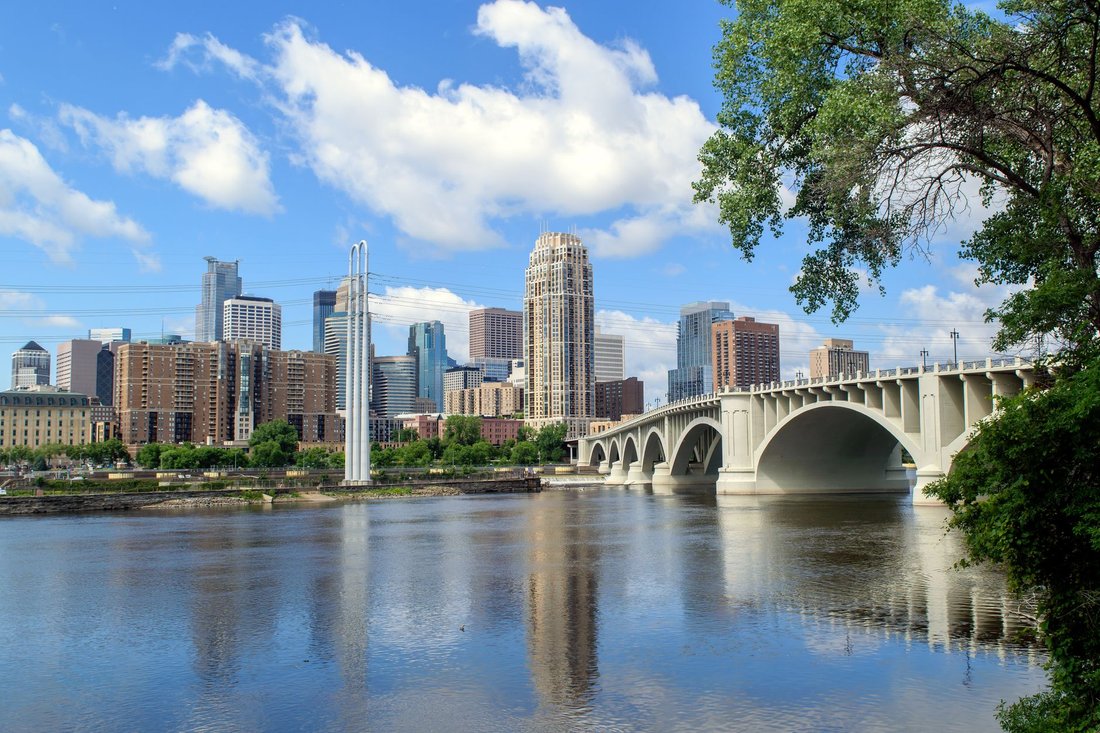
The Stone Arch Bridge began as a railroad bridge built for James J. Hill's Great Northern, and it has been a pedestrian and bike crossing for decades. Its long curve of limestone arches sits just below St. Anthony Falls, and the walk across gives you a view of the falls and the old mill district, with the downtown skyline behind them. It is among the most photographed spots in the city, for good reason.
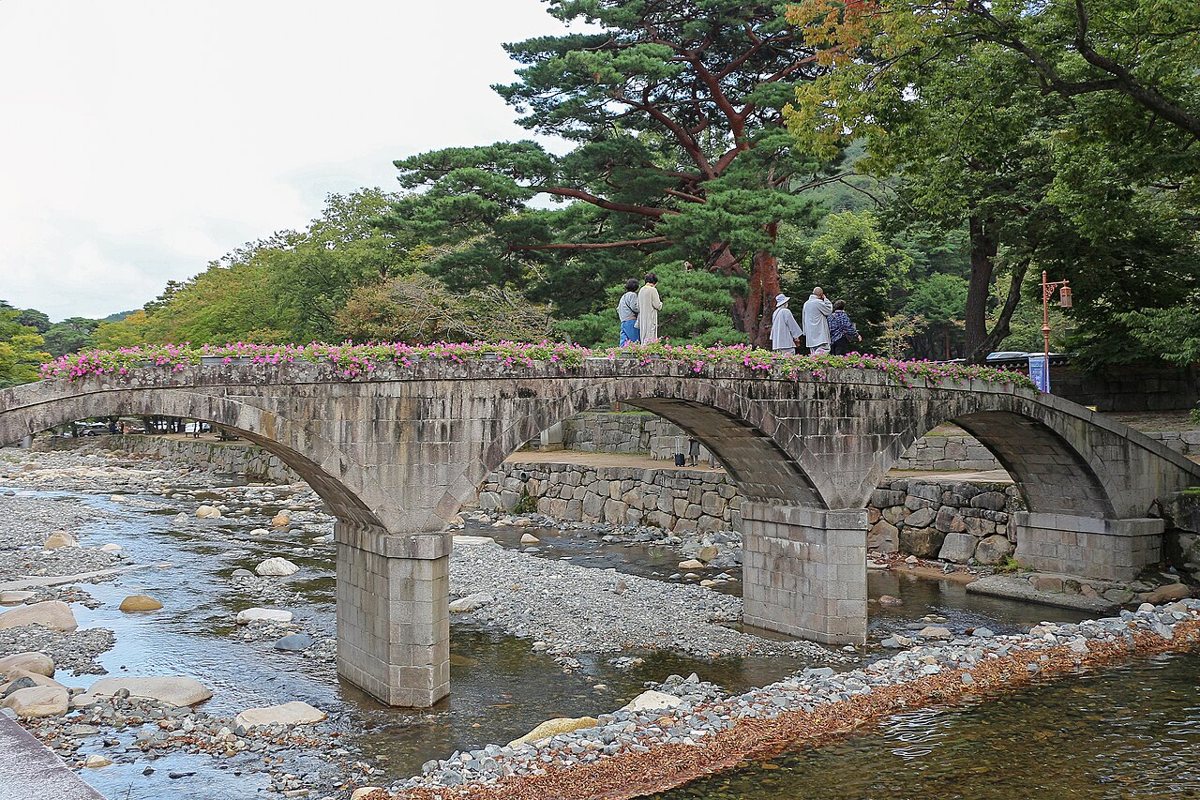

Go at sunset. Locals who live in the lofts nearby do, which means the bridge can be crowded, but the crowd is part of the pleasure. At the east end, Father Hennepin Bluff Park offers a lawn and benches to continue the view, and the bridge connects to riverfront trails on both banks, so you can extend the outing into a longer ride or walk.
Mill City Museum
Right beside the bridge, the Mill City Museum sits inside the shell of the Washburn A Mill, once among the largest flour mills in the world, until it closed and a fire gutted it in 1991. The museum builds its story into that ruin. The Flour Tower elevator is the highlight, a theatrical ride up through the old mill with a guide, and the outdoor ruins around the building give a close look at the machinery and the stonework even before you step inside.
Pair the museum with the rest of the riverfront while the weather holds. Walk the bridge first, then step inside for the history, then head to the observation deck for another look at the falls from above. The museum is a useful rainy-day option too, a quiet hedge against the one or two afternoons a summer when the sky disagrees with the plan.
Boom Island Park
Boom Island Park is the quieter counterpart to the busy Stone Arch scene, sitting on the Mississippi just upriver from downtown on the Northeast side. It takes its name from the log booms that once collected timber here for the sawmills, and the history is still faintly legible in the landscape. Today it is a place for lying on the grass and watching the river go by, with a wide-angle view of the skyline.
The park links with the riverfront trail system and with Nicollet Island, which makes it an easy stop on a long bike ride. Bring a book. Weekday afternoons are the best time, when the lawn is half empty and the water is the loudest thing in sight.
Neighborhood Life: Nordeast, Music and the Ballpark
The lakes and the river are the postcard. The neighborhoods are where the city lives, and the best way to understand Minneapolis in summer is to pick a district and wander it with no plan.
Nordeast and the Taproom Patios
Northeast Minneapolis, which everyone calls Nordeast, grew out of Polish, Ukrainian, Italian and other immigrant communities and has become a home for artist studios in old warehouses and a dense cluster of breweries. In summer, the taproom patios here are the unofficial town squares. Craft beer in this city is closer to a civic religion than a hobby, and a loop through the neighborhood, with a stop at a couple of taprooms and a slice of pizza from whichever corner spot has a line, can fill a whole afternoon.
Many taprooms welcome dogs on the patio and food trucks at the curb, and the neighborhood is flat enough to bike. To make an afternoon of it, plan the route around Nordeast taprooms rather than around one particular brewery, then let the evening decide. Always have a ride home arranged before the second pour.
Target Field
Target Field brought open-air baseball back to Minneapolis after the Twins spent years under a dome, and a night game there is one of the simplest ways to feel the season. The ballpark sits at the edge of the North Loop with the downtown skyline rising behind the outfield, and its location means light rail drops you practically at the gate. The Blue and Green lines both stop at Target Field Station.
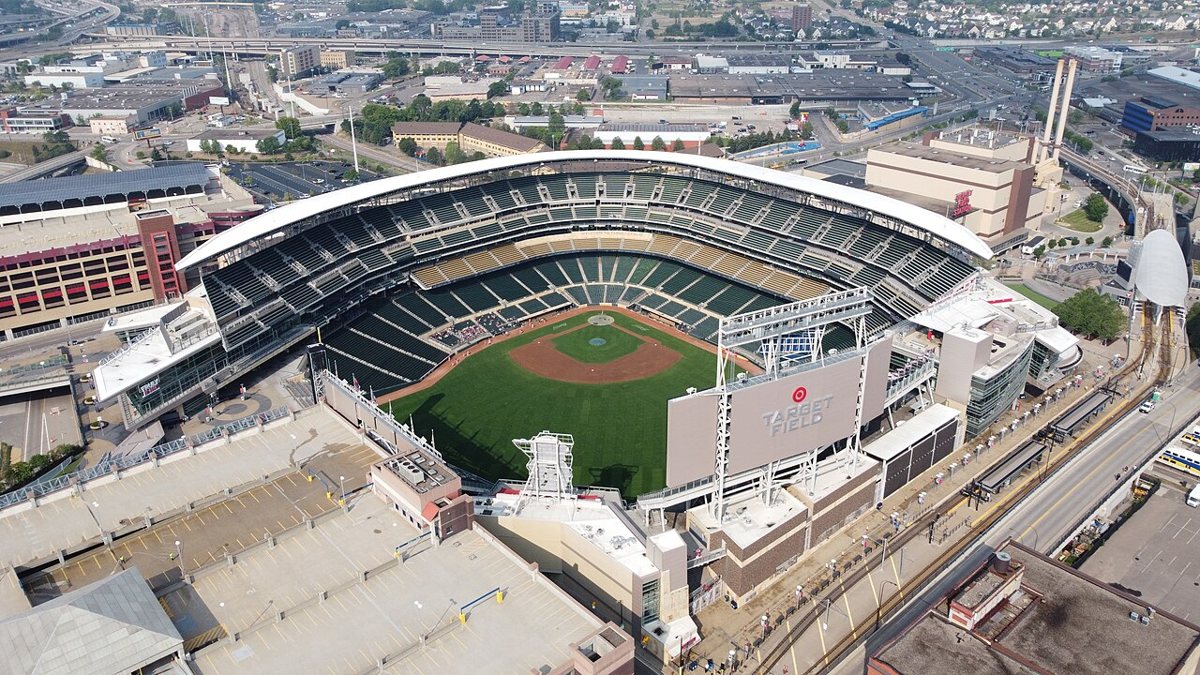

Loving baseball is optional. The concourse is built for wandering and the food leans local, while the pace of the game leaves room for conversation. The Twins schedule shows the home stands; consider a weekday game, which is usually calmer than a weekend one. After the final out, the North Loop's restaurants are a short walk away.
First Avenue
A guide to this city's summer is incomplete without the club that made the music scene famous. First Avenue, the black-painted former bus depot downtown, is where Prince filmed scenes for Purple Rain, and the stars painted across its exterior wall name the artists who have played its stage. Minneapolis treats Prince as present tense: his music still pours out of cars and porches all over town, and the shows at First Avenue and its smaller sister room, the 7th St Entry, keep that legacy alive with touring acts and local bands throughout the year.
Look up the lineup and pick a night. Warm weather suits it, because the lines on the sidewalk turn festive and the walk home through downtown stays pleasant. Fans who want to go deeper can plan a drive to Paisley Park in Chanhassen, which sits outside the city but belongs to the same musical story.
Culture That Beats the Heat
The Twin Cities punch above their weight in the arts, and summer is a good time to prove it. The institutions here are world-class, and several of them have outdoor components that make them feel more like parks than museums.
Walker Art Center and the Minneapolis Sculpture Garden
The Walker Art Center is one of the country's leading contemporary art museums, and the Minneapolis Sculpture Garden next door, run in partnership with the Minneapolis Park Board, is its open-air companion. The garden's signature piece is Spoonbridge and Cherry, the giant spoon with a red cherry balanced on its tip, a sculpture by Claes Oldenburg and Coosje van Bruggen that has become the city's unofficial mascot. Nearby, a towering blue rooster by Katharina Fritsch looks down on visitors with considerable attitude.


Wander the garden slowly. It is built for wandering, with hedged rooms and tree-lined paths opening onto one surprise after another, and the glass Cowles Conservatory offers a humid, green interlude in the middle. After the garden, the Walker's galleries give you a cool, quiet reward. The Walker's calendar lists special programs, which often spill outdoors in the warmer months.
The Guthrie Theater and the Endless Bridge
The Guthrie Theater is the reason the Twin Cities have a theater reputation outside the region, and its riverfront building by Jean Nouvel is a landmark in its own right. Visitors can appreciate part of it without a show. The building's Endless Bridge, a cantilevered walkway that juts out toward the river, gives a vantage over the Mississippi and the Stone Arch Bridge. It is one of the best views in town, and plenty of locals have never used it.
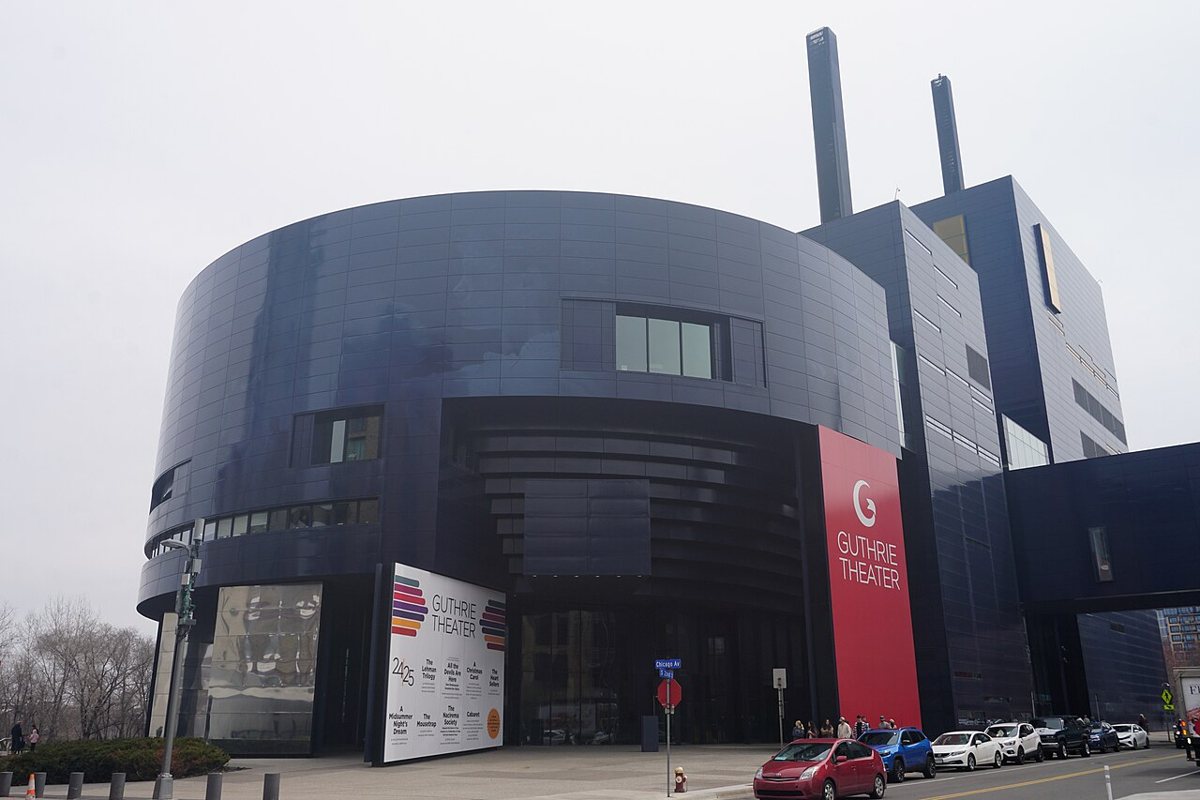

If you can, see a show. The Guthrie stages both classic plays and new work, and an evening performance on a summer night followed by a walk along the riverfront is the kind of date that makes the city look good. The Guthrie's season listing shows what is on; arrive early enough to stand on the bridge as the light fades.
Minneapolis Institute of Art
The Minneapolis Institute of Art, which everyone calls Mia, is a grand building holding a collection that spans thousands of years and nearly every continent. It is the answer to the sticky afternoon when the lakes feel like a bath. The galleries are cool and the period rooms are fun to wander through, and the Asian art collection is among the museum's strengths.
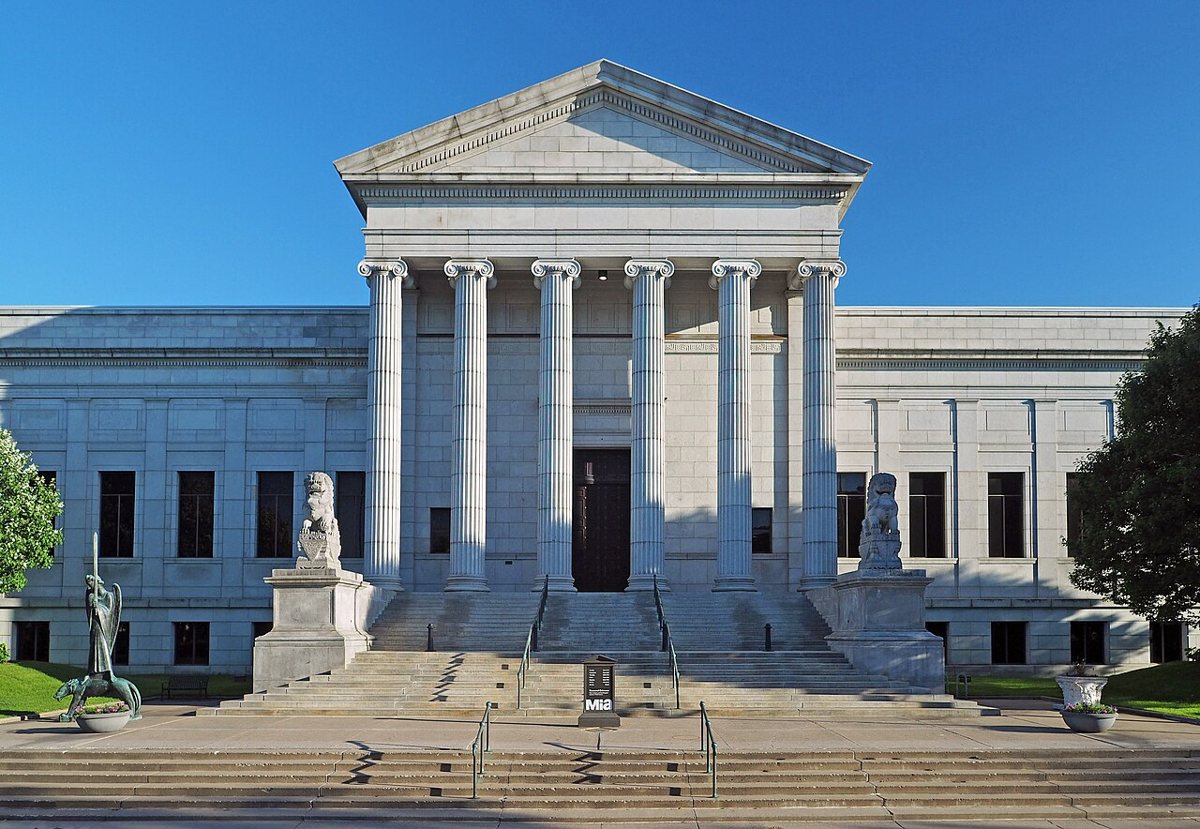

Pick a wing rather than trying to see the whole place, give yourself an hour or two, then finish with a walk through the neighborhood around it. The scale of the building rewards focus over completeness.
Wild Places and Great Food
Theodore Wirth Park
Theodore Wirth Park is the biggest green space in the Minneapolis park system, and it feels far larger than its location suggests. Its trails support hiking and, in warm months, serious mountain biking, and the park has a swimming beach at Wirth Lake. Inside the park, the Eloise Butler Wildflower Garden and Bird Sanctuary is a hushed woodland retreat, a quiet planted garden in the middle of the city. Elsewhere in the park, a boardwalk crosses the Quaking Bog, which shows off a different side of Minnesota than the lakes do.

Wirth rewards people who enjoy getting a little lost. Pick a trail, follow it until the road noise disappears and take your time coming back. Mornings are best, before the heat settles into the trees, and bug spray is smart in the damp spots.
Eat Street and the Rest of the Food Map
Minneapolis has a food scene worth a whole day, and summer is the season when patios open up and the sidewalk menus come out. Nicollet Avenue south of downtown, known as Eat Street, is a long run of restaurants where pho, tacos and regional Mexican cooking sit side by side. Come hungry and walk it end to end, then decide at the last moment.
The city's food story is not complete without its East African community, which has shaped Minneapolis cooking in a lasting way. The Cedar-Riverside neighborhood and parts of Lake Street are home to Somali restaurants and cafes where the sambusas and the slow-cooked rice and goat platters are part of the local diet and not a novelty. Sit down and order what the table next to you is eating, then stay a while. Elsewhere, the summer menu is the juicy Lucy, the cheese-stuffed burger that locals will argue about the way other cities argue about pizza, and walleye, which turns up on plates from the neighborhood bar to the white-tablecloth dining room.
Getting Around, Timing and What Costs Nothing
The easy answer to getting around is that Minneapolis is a better bike city than most people expect. The Midtown Greenway, a sunken former rail corridor, runs straight across the south side and connects to the Chain of Lakes. The park system's trail network ties the lakes and the river together. A bike share program and plenty of rental shops make it possible to try this without owning a bike.
Light rail covers several of the places in this guide. The Blue Line serves Minnehaha Park and Target Field, and the Green Line shares the Target Field stop. Bus routes fill in the gaps, while downtown is flat and walkable along Nicollet Mall. Driving is fine, but parking at Minnehaha Falls and around the lakes can get tight on warm weekends, so aim for mornings or weekdays.
July and August are the peak. The days are long and the lakes are warm enough to swim, and the city runs a full calendar of outdoor events. June offers the greenest landscapes and a bit more breathing room, and the early weeks of September deliver warm days with thinner crowds. Humidity can arrive without warning, so carry water and keep a museum or a shaded creek walk in reserve for the hottest afternoons.
A surprising share of the best parts of the city are free. The lakes and their paths, Minnehaha Falls, the Stone Arch Bridge and Boom Island Park cost nothing to enjoy. Concerts at the bandshell and museum programs vary, so confirm details with each venue. Pack a picnic and a good attitude, and the budget barely matters.
The Last Word on a Minneapolis Summer
The honest truth about this city in summer is that it is easy to overthink. Visitors arrive with lists and leave remembering a single evening on a lake, a single walk across a bridge, a single patio. That is the right way to do it. The point is not to hit every attraction. The point is to let a place that spends so many months indoors take you outside for a while.
Pick a lake and spend a sunset on it. Walk the river once at golden hour. Eat something new. Catch a show, hear a band and drink a beer on a Nordeast patio and find out why the people who live here talk about the Twin Cities with such stubborn pride. Then do it again next weekend, because the season is shorter than it feels. A city that makes a hobby of long winters has found the whole joke and the whole joy: summer here is borrowed time, and everyone knows to spend it well. Begin with the Chain of Lakes. Everything else follows from there.