Best Things to Do in Minneapolis: A Local's Guide
A Minneapolis editor's real list of what's worth your time here, from the Chain of Lakes to the club Prince never really left, minus the winter-survival lecture.
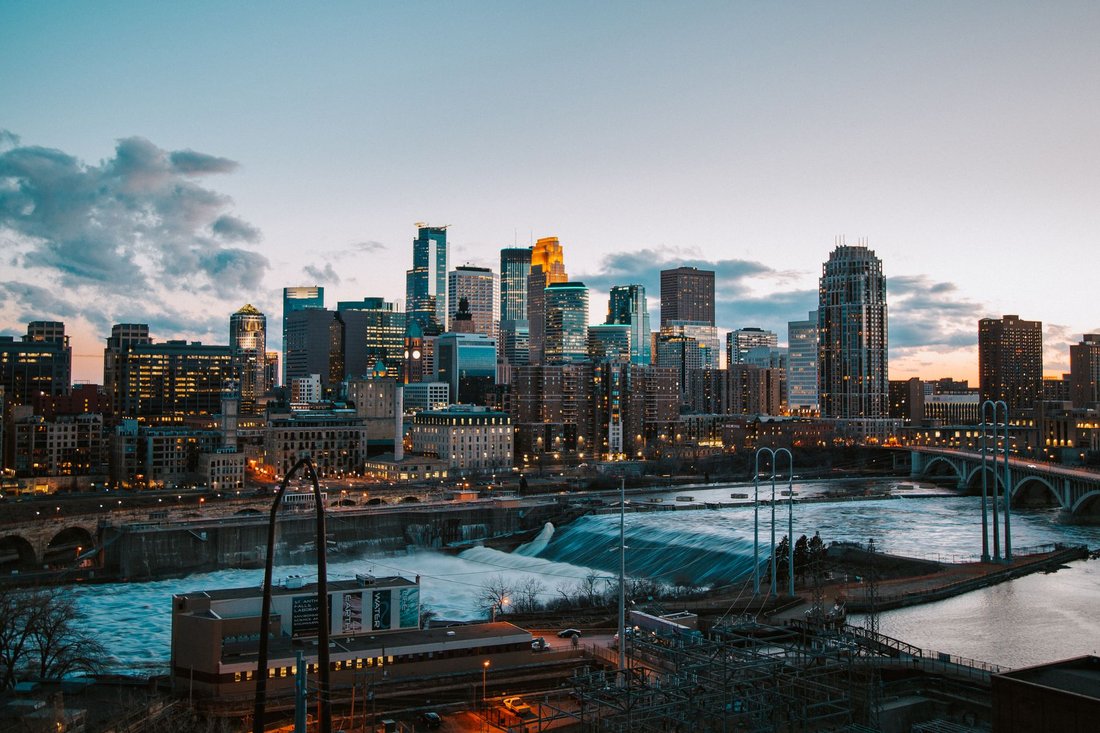
The Midtown Greenway drops below street level through south Minneapolis, and on a raw November morning the only sound is studded tires biting packed snow and, somewhere behind you, another commuter closing the gap between Uptown and the river. That's the Minneapolis locals actually live in, a city that keeps moving through the cold instead of apologizing for it. Ask a dozen people here to name the best things to do in Minneapolis and you'll get a dozen different answers, sorted loyally by neighborhood, but they'll agree on one thing: skip the postcard checklist and go where the city spends its own time.
This is Minneapolis, not St. Paul, and locals will make sure you know the difference: two cities on opposite banks of the Mississippi with separate mayors, separate skylines, and separate claims to fame. Minneapolis is the one with the lakes inside the city limits, a theater with a cantilevered stage over the river, and a small club on Hennepin Avenue that Prince made a pilgrimage site, present tense, because his influence never really left that stage. It's also a city that punches well above its weight in food, thanks in part to one of the largest Somali communities in the country, a Vietnamese and Hmong food corridor that locals just call Eat Street, and a longstanding habit of stuffing molten cheese inside a burger and calling it dinner. None of that fits on a postcard, so here's the real list, organized the way the city actually organizes itself: by water, by neighborhood, and by what's on the stage and on the plate.
Best Things to Do in Minneapolis by the Water
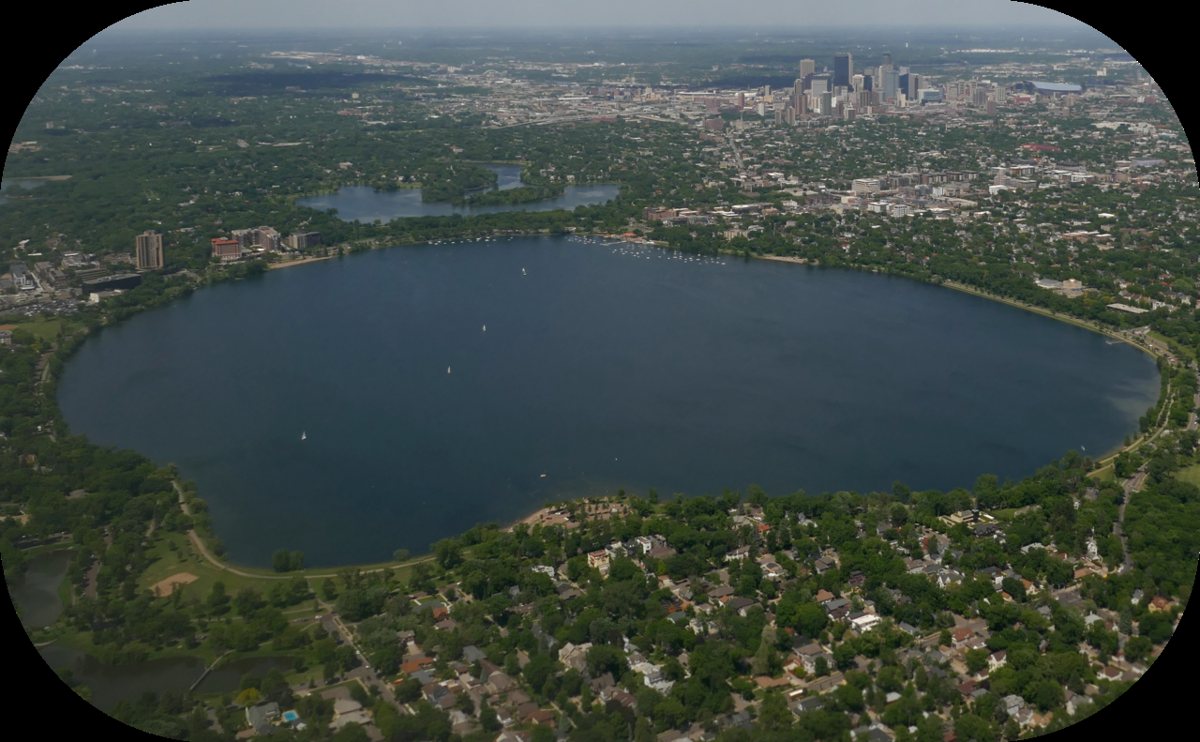
Bde Maka Ska and the Chain of Lakes
Bde Maka Ska anchors the Chain of Lakes, the string of connected lakes, Lake Harriet and Lake of the Isles among them, that separates Minneapolis from most other Midwestern cities of its size. A paved loop circles the water for walkers, runners, and cyclists, and in summer the lake fills with sailboats, paddleboards, and kids doing cannonballs off the public swimming beaches. Lake Harriet's bandshell hosts free outdoor concerts through the warm months, and the walk or bike ride between the two lakes threads through Linden Hills, a small, walkable commercial strip of coffee shops and bookstores that feels more like a small town than a Minneapolis neighborhood. The insider move is to rent a kayak or paddleboard on a weekday evening, when the crowds thin and the water turns the color of the sky. This corner of the city, spanning Uptown and Linden Hills, rewards a slow morning as much as it rewards a hard training loop.

Minnehaha Falls and Minnehaha Regional Park
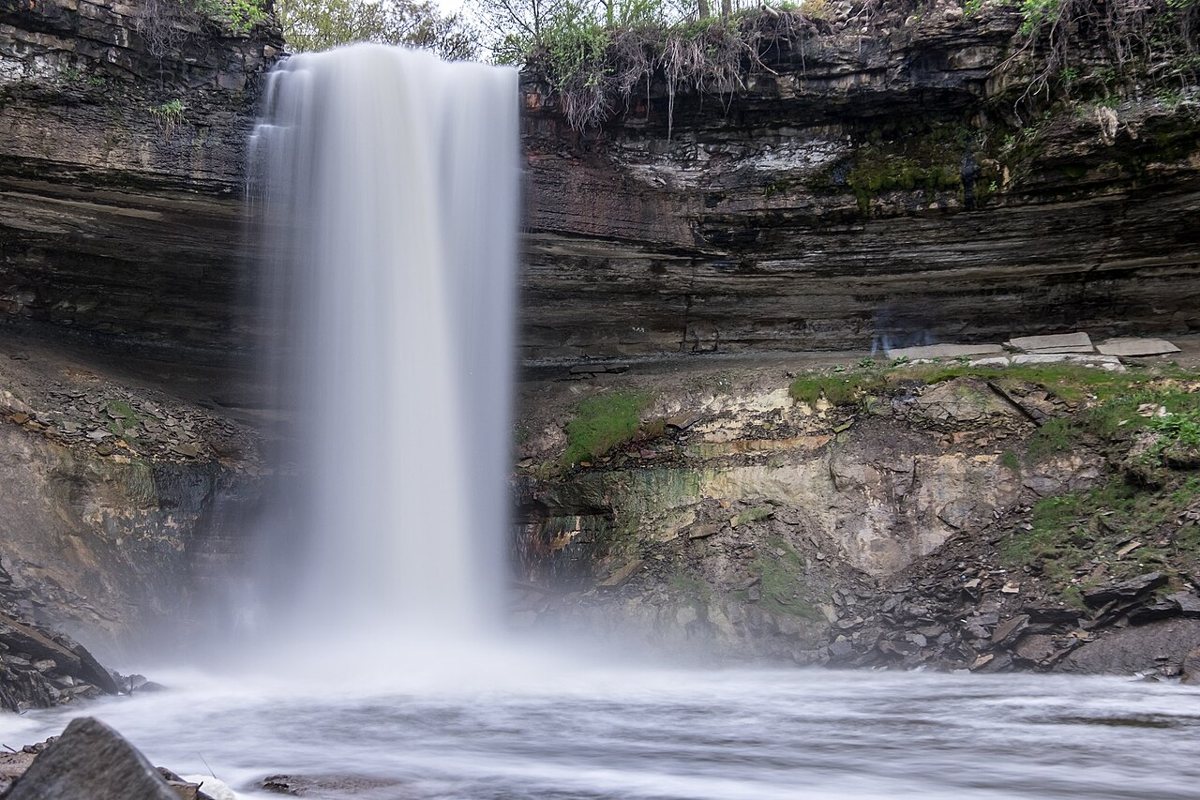
Minnehaha Falls drops fifty-some feet into a limestone gorge inside Minnehaha Regional Park, close enough to the airport that you can watch planes lift off while standing at the overlook. Longfellow wrote about the falls without ever visiting them, which locals mention with a mix of pride and amusement, and the park that grew up around the falls now includes miles of paved trail, a dog park, a beer garden, and a route that connects south toward the Mississippi River gorge and north toward downtown. Spring runoff turns the falls into something genuinely loud; by late summer the flow can slow to a trickle, so timing matters more here than almost anywhere else on this list. Locals treat it as an everyday escape rather than a special occasion, walking dogs or pushing strollers along the gorge on an ordinary Tuesday evening. It sits in the Longfellow neighborhood, an easy bike ride down the Greenway or a short drive from downtown.

The Stone Arch Bridge and the Mississippi Riverfront
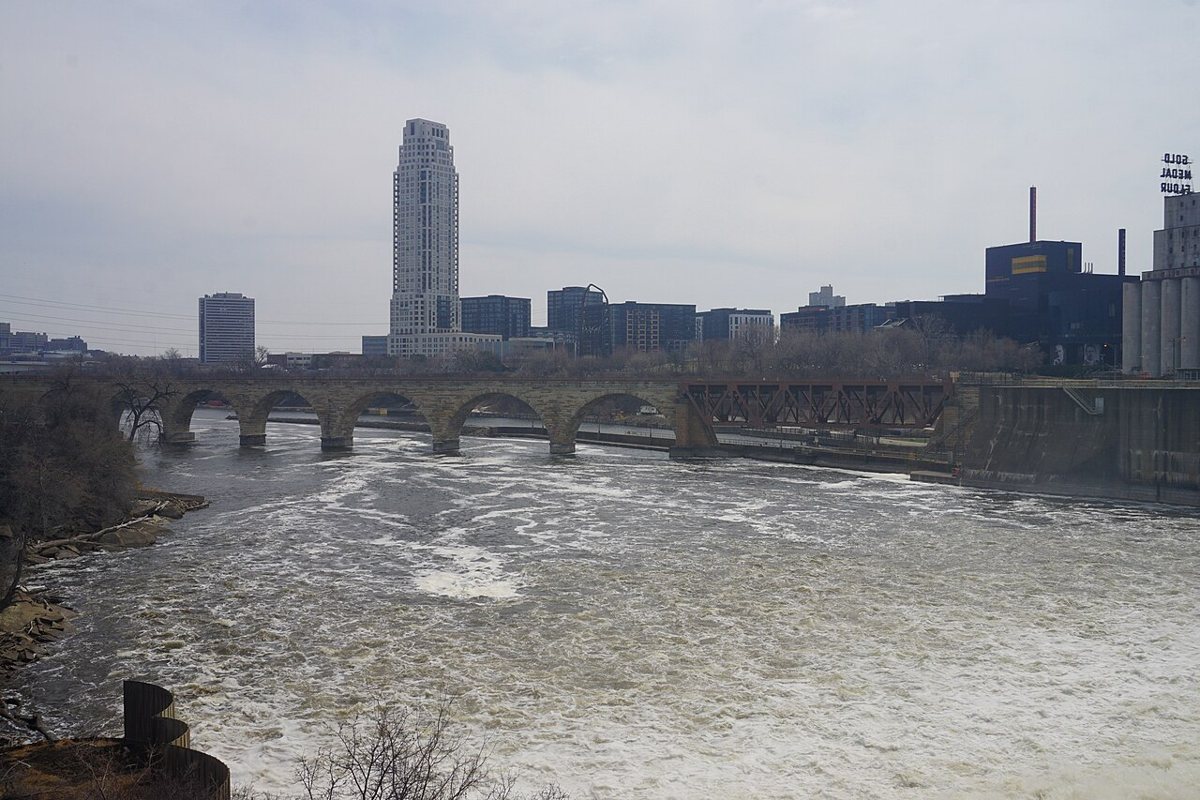
The Stone Arch Bridge was built for trains in the 1880s and now carries only foot and bike traffic across the Mississippi, framing a view of the falls and the old flour mills that made Minneapolis the flour-milling capital of the world for a stretch. Cross it near sunset and downtown's skyline sits on one side while the milling district's brick warehouses hold the other, with the river running fast underneath through the lock and dam. The riverfront trail continues past the bridge in both directions, linking the Mill District to Boom Island and St. Anthony Main on the river's northeast bank. It's free, it's flat, and it takes about fifteen minutes to walk end to end, which makes it an easy add-on to a Mill City Museum visit or an evening at the Guthrie next door. This stretch of river is the clearest physical reminder that Minneapolis exists because of milling, not marketing.

Art, Theater, and the Music That Never Really Left
Minneapolis supports more theater seats per capita than almost any American city outside New York, and its music scene produced Prince, The Replacements, and Hüsker Dü without needing a coast to validate any of it. Here's where that legacy actually lives.
First Avenue
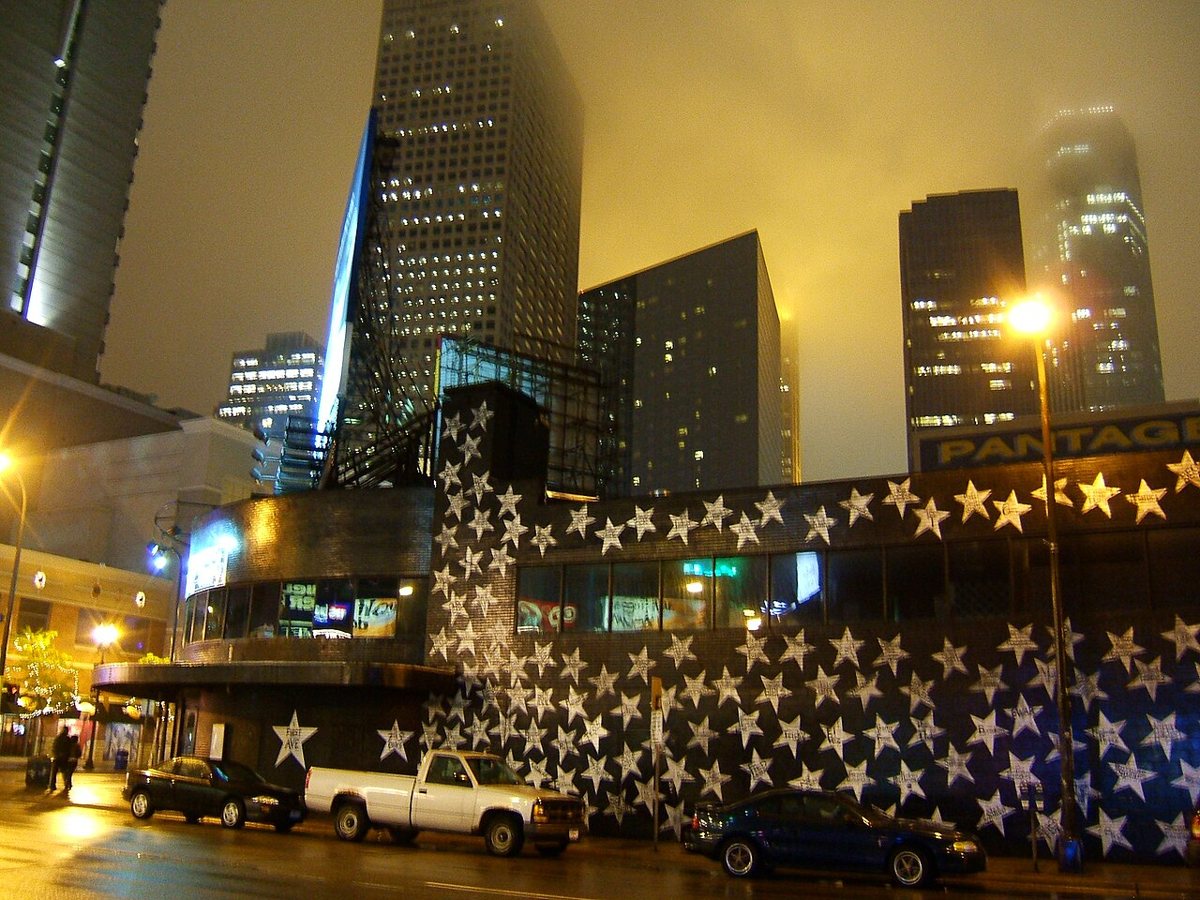
First Avenue is the black, star-studded club downtown that Prince turned into a filming location for Purple Rain and then kept playing for the rest of his career, and it still books touring acts most nights of the week. The stars painted across the building's exterior mark artists who've sold out the main room, and checking which names are up there is its own small ritual for visiting music fans. Inside, the room splits into the main stage and the smaller 7th St Entry next door, which tends to book the scrappier, up-and-coming acts. Buy tickets for whoever's actually playing rather than treating the building as a museum piece; the point of First Avenue was always the show, not the shrine. It sits right downtown, walkable from Target Field and Nicollet Mall, so it pairs easily with dinner beforehand.

The Guthrie Theater
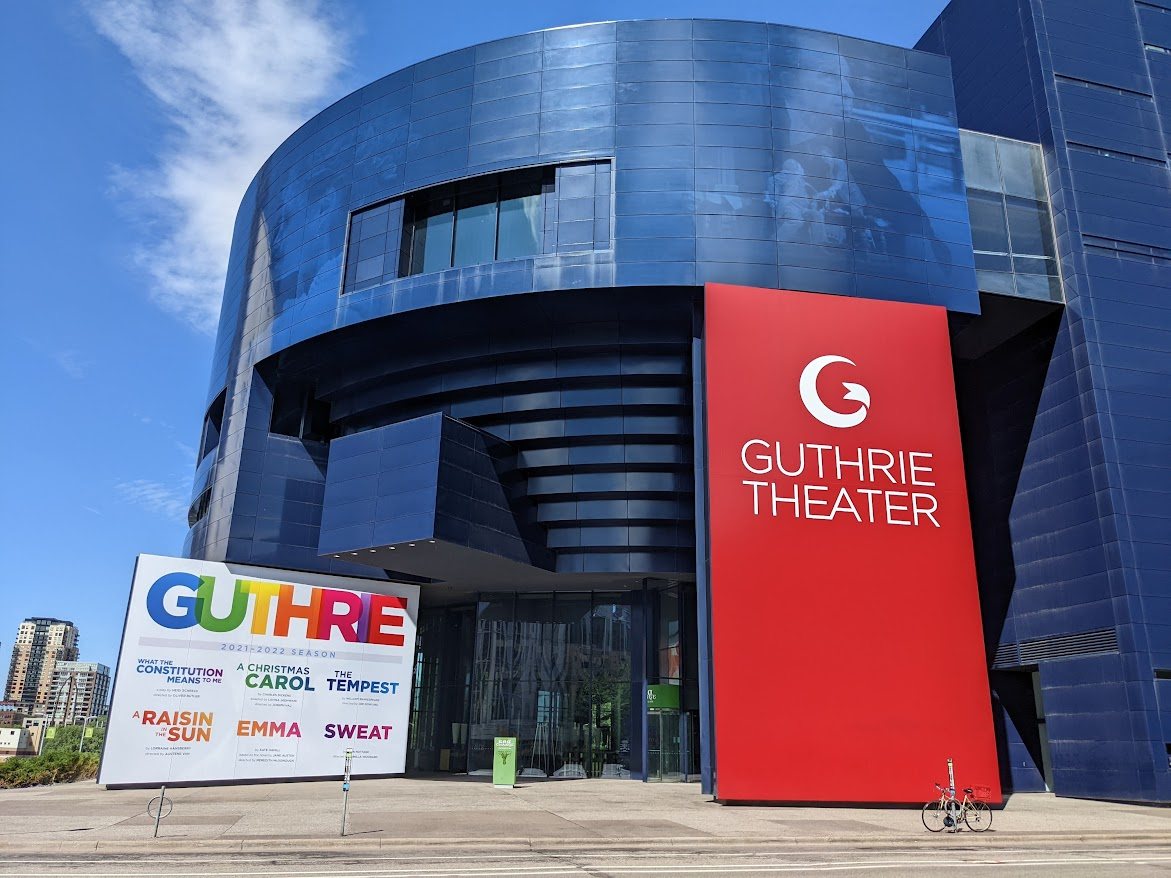
The Guthrie moved into its current riverfront building in 2006, a Jean Nouvel design with a cantilevered walkway, the Endless Bridge, that juts out over the Mississippi and frames the river below for free, no ticket required. The theater runs a season of classic and contemporary work across three stages, drawing actors and directors from well beyond Minnesota, and the lobby and bridge stay open to the public during the day even for people not seeing a show that night. Locals will tell you to walk the Endless Bridge at golden hour regardless of what's on stage that week. It sits in the Mill District, an easy walk from the Stone Arch Bridge and Mill City Museum, which makes for a natural riverfront afternoon even for visitors who never buy a ticket.

Walker Art Center and the Minneapolis Sculpture Garden
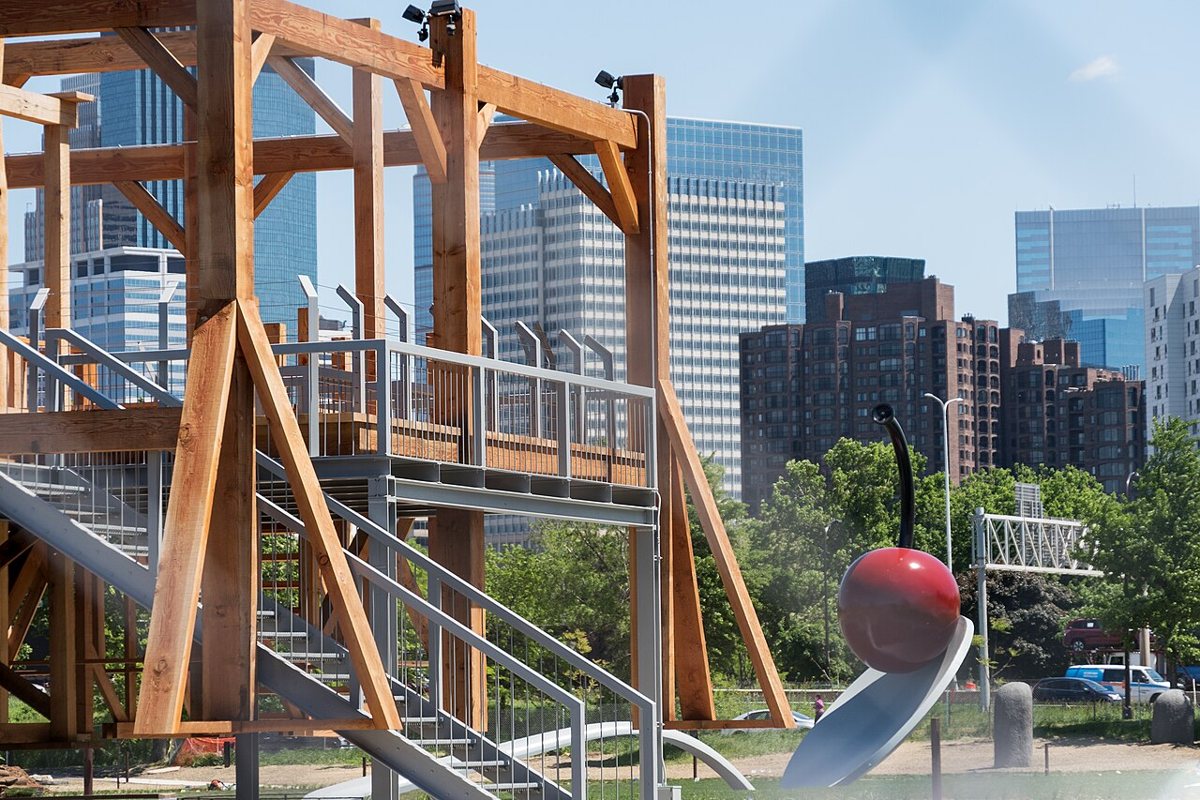
The Walker Art Center holds one of the country's strongest contemporary art collections, but most visitors, local and out-of-town alike, end up spending as much time next door in the Minneapolis Sculpture Garden, where Claes Oldenburg and Coosje van Bruggen's giant spoon and cherry has become the closest thing this city has to an official mascot. The garden is free and open daily, framed by the Basilica of Saint Mary and a skyline view that shifts with the seasons, while the museum itself charges for special exhibitions but keeps a rotating calendar worth checking before a visit. Bring a blanket in summer and just sit near the spoon; it's one of the few genuinely free, genuinely great things to do here on a Sunday afternoon. It's a short walk from Loring Park and an easy bus ride from downtown.

Mill City Museum
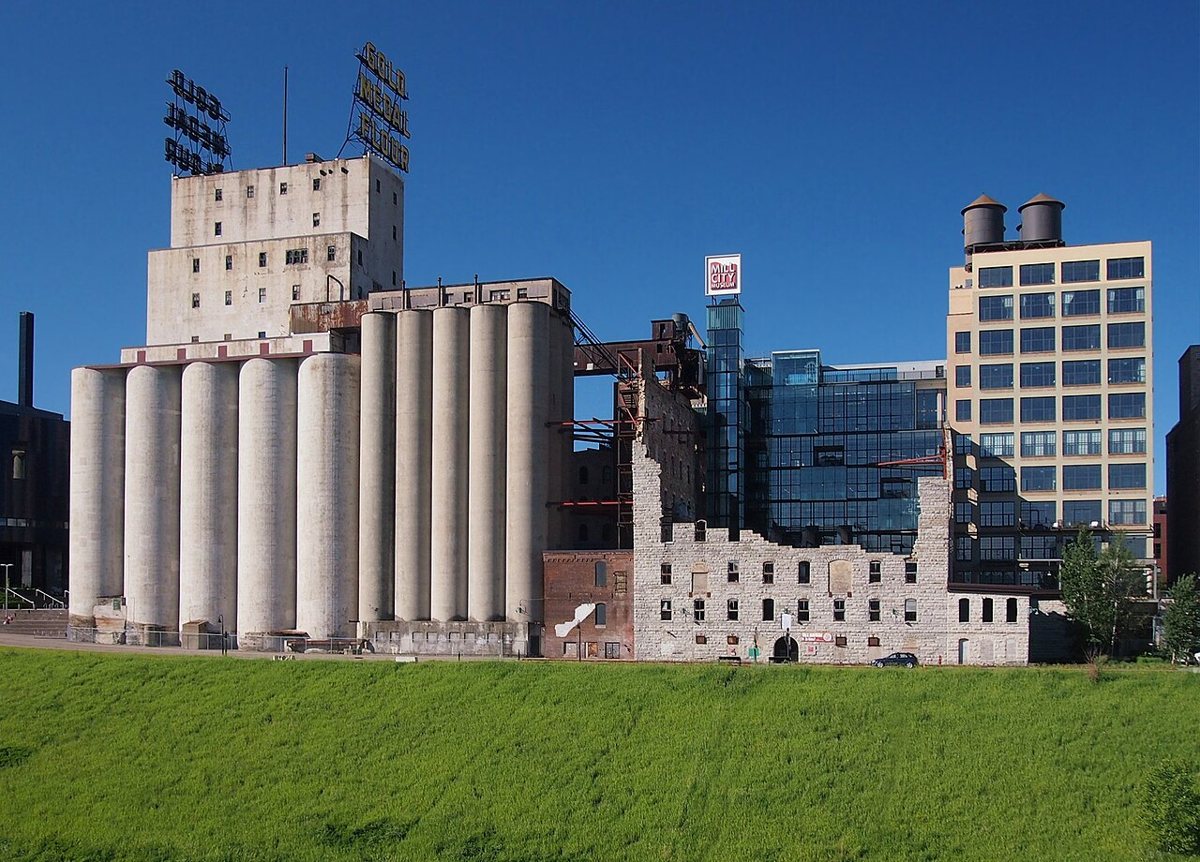
Mill City Museum sits inside the ruined shell of the old Washburn A Mill, once the largest flour mill in the world, and the building itself, scorched stone walls open to the sky in places, tells half the story before a single placard gets read. Exhibits walk through how Minneapolis became a milling power on the strength of St. Anthony Falls, the only major waterfall on the Mississippi, and the rooftop observation deck gives one of the best straight-on views of the falls, the Stone Arch Bridge, and the river locks anywhere in the city. It's a genuinely good option for a rainy afternoon or a visit with kids, since the working exhibits and the water-powered elevator ride hold attention better than a typical local-history museum. Give it a couple of hours and pair it with a walk across the Stone Arch Bridge right outside the door.

Neighborhoods That Reward a Slow Afternoon
Minneapolis is really a collection of neighborhoods that each have their own center of gravity, and the best way to spend a day here is often to just pick one and stay put.
North Loop
North Loop was a warehouse and rail district until developers started converting the brick buildings into restaurants, design showrooms, and loft apartments, and it's now among the most walkable places in the city to spend an evening. The restaurant density here rivals anywhere in the Twin Cities, with everything from tasting menus to casual wine bars packed into a few blocks near the old rail lines, and boutique shops selling Minnesota-made goods fill the gaps between meals. Target Field sits at the edge of the neighborhood, so a Twins game and dinner in North Loop pair naturally on a summer evening. Come on foot or by bike if you can, since parking gets tight once the restaurants fill up, and plan to wander rather than beeline for one address.
Northeast, or Nordeast to Everyone Who Lives There
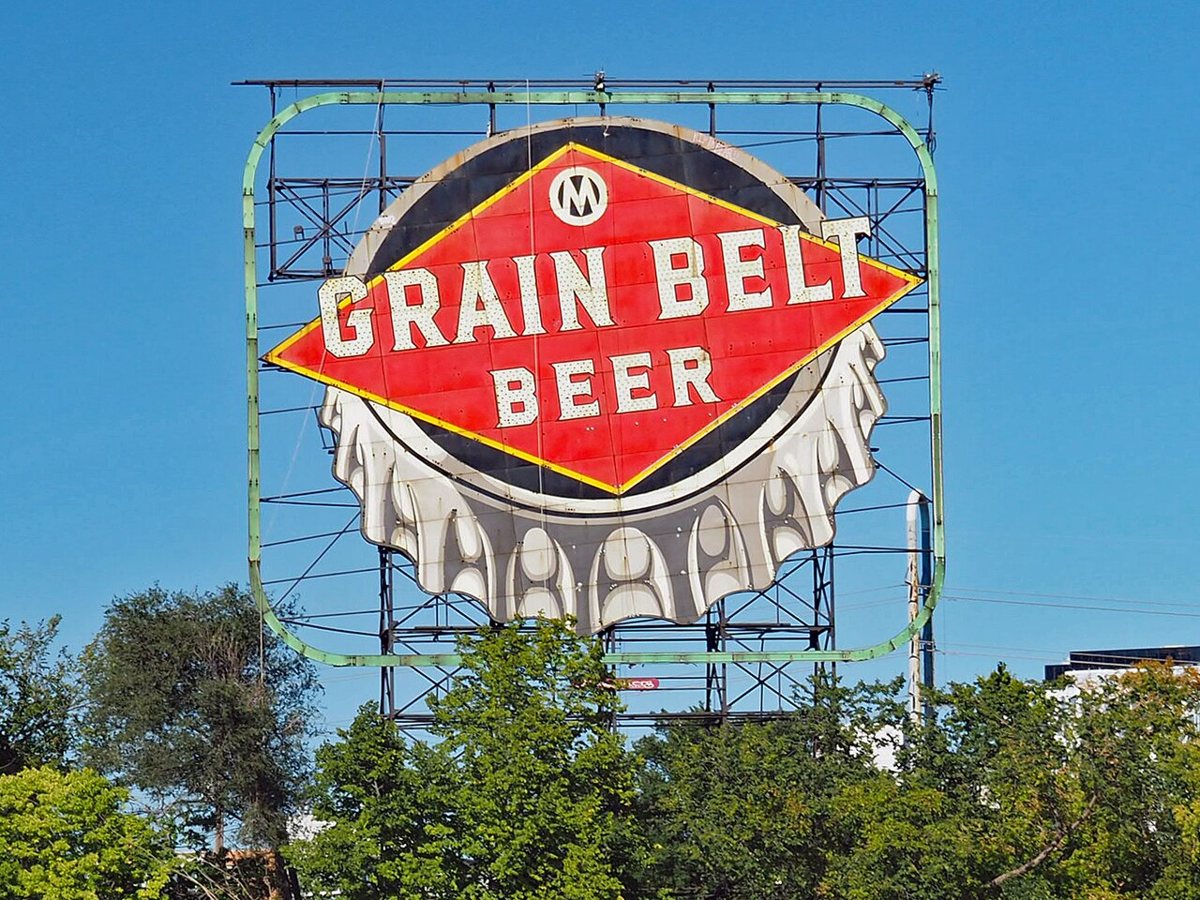
Cross the river northeast of downtown and you're in Nordeast, a historically Polish and Ukrainian neighborhood that's become the center of the city's brewery scene without losing its old churches, meat markets, and a genuine Eastern European bakery or two. The Grain Belt Beer sign on the riverfront, lit up at night, has marked this stretch of the Mississippi for decades and remains among the most recognizable signs in the city. Brewery taprooms cluster within walking distance of each other in the arts district, alongside working artist studios that open their doors for periodic open-studio nights. The neighborhood's food runs from old-school Eastern European kitchens to the newer spots that opened alongside the breweries, and it alone could fill a weekend. Plan on a bike or a designated driver, since the taproom crawl is the whole point for a lot of visitors.

Uptown, Linden Hills, and the Lake Life Loop
Uptown sits just east of the Chain of Lakes and has cycled through several identities over the decades, from music-scene hub to shopping strip and, more recently, a dense mix of restaurants, bars, and apartments aimed at a younger crowd. It's a natural base if you want to be within biking distance of Bde Maka Ska and Lake of the Isles while still having a strong bar and restaurant scene to come back to at night. Linden Hills, a few minutes southwest, moves at a slower pace, built around independent shops and a food co-op that predates most of the city's current interest in local food. Both neighborhoods work well as a home base for a multi-day visit, since so much of this list sits within a short bike ride of one or the other.
Cedar-Riverside and the City's East African Heart
Cedar-Riverside, just south of downtown near the university, is home to one of the largest Somali communities in the United States, and the neighborhood's restaurants, markets, and community institutions reflect that in a way few American cities can match. Sambusas, camel meat, and slow-cooked goat show up on menus that rarely get mentioned in generic city guides, and East African cooking has genuinely reshaped what Minneapolis eats, not just in this neighborhood but citywide. It's a residential area first, so visit with the same respect you'd bring to any lived-in neighborhood rather than treating it as a spectacle. Just north, Dinkytown has stayed a University of Minnesota student neighborhood for more than a century, full of cheap eats, bars, and the kind of bookstores and coffee shops that survive on foot traffic from campus. Together the two neighborhoods show a side of Minneapolis that the lake-and-theater version of the city often leaves out.
What to Eat While You're At It
The Juicy Lucy
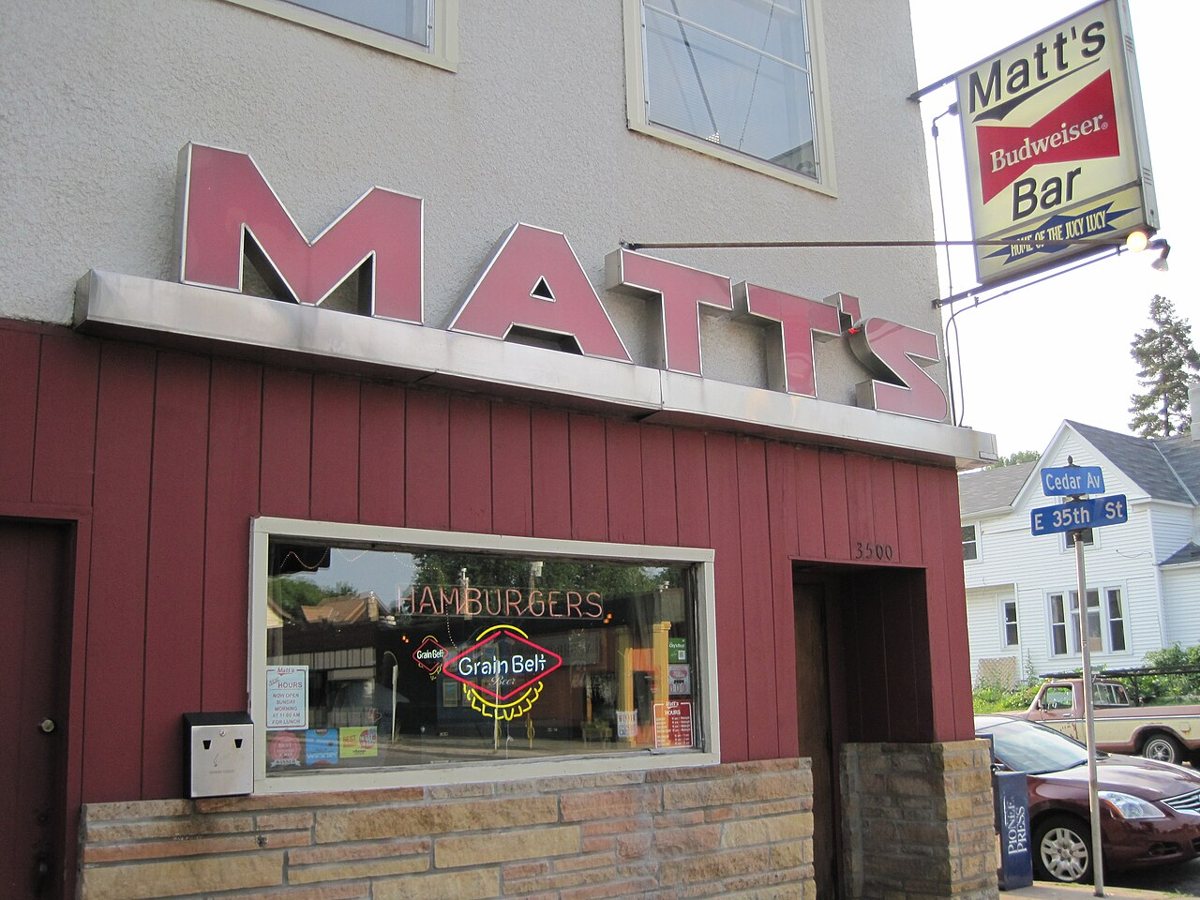
The Juicy Lucy, a burger with the cheese stuffed inside the patty instead of melted on top, is a Minneapolis invention, and two south Minneapolis bars, Matt's Bar and the 5-8 Club, have spent decades arguing over which one actually invented it. Order it well-done since the cheese needs the heat to fully liquefy, and let it cool before the first bite; the molten center has burned plenty of overconfident visitors. Both bars keep the experience unpretentious, dive-bar booths and a basket of tater tots on the side, which is part of the point. Locals tend to have a strong, mostly unshakeable opinion about which spot does it better, and asking a bartender is a reliable way to start a conversation. Either stop works as a low-key, inexpensive way to eat like someone who actually lives here.

Eat Street and the World on Nicollet
Nicollet Avenue south of downtown earned the nickname Eat Street decades ago for its density of international restaurants, and the stretch remains one of the best places in the city to eat pho, Vietnamese sandwiches, and other dishes tied to the local Vietnamese and Hmong communities. It's not a single destination so much as a corridor, and the move is to pick a few blocks, walk them, and follow whichever menu looks busiest rather than pre-planning the whole meal. The street sits between Loring Park and Uptown, so it's an easy add-on before a Walker Art Center visit or a show downtown. The city's brunch scene draws long weekend waits for a reason, and several newer brunch spots have opened along or just off this same corridor. Come hungry and skip the chains; the independent kitchens are the whole reason the street has a name.
Walleye, Hot Dish, and the Craft Beer Scene
Walleye, a mild freshwater fish pulled from Minnesota's lakes, shows up fried, pan-seared, or in a sandwich on menus across the city, and it's worth ordering at least once as the dish most tied to the state's identity. Hot dish, the Midwestern casserole built on some combination of tater tots, ground beef, canned soup, and cheese, is more of a home-kitchen and potluck tradition than a restaurant menu staple, but a handful of comfort-food spots put a version on the menu for curious visitors. Craft beer runs through the whole city rather than concentrating in one district, though Nordeast's taproom cluster remains the densest, and Minneapolis breweries generally lean toward approachable, session-friendly beers over anything too experimental. None of these dishes are precious about themselves, which tracks with a city that would rather be good than fancy.
Getting Around, Timing It Right, and What's Free
Minneapolis rewards people willing to bike or walk more than it rewards people who rent a car and expect fast parking downtown. The Midtown Greenway and a wide network of paved trails connect most of the neighborhoods on this list without ever touching a car lane, and a bike-share system makes short hops between the lakes, Uptown, and downtown easy even without your own bike. A regional bus and light rail system links downtown, the university, and the airport reliably enough that a car isn't strictly necessary for a visit built around this list, though a car helps for reaching Nordeast or the far side of the Chain of Lakes on a tight schedule.
Every season here changes what's worth prioritizing rather than shutting the city down. Summer opens the lakes, the beer gardens, and the free outdoor concerts at Lake Harriet's bandshell. Fall turns the Greenway and the riverfront trails into some of the best biking and walking of the year, with color along the Mississippi gorge. Winter narrows the list toward theater, museums, and breweries, but it doesn't close the parks; locals keep walking the lakes and the falls trail through the cold because that's simply what living here looks like, not because anyone's proving a point about survival.
- The Minneapolis Sculpture Garden and the Spoonbridge and Cherry, always free
- Walking or biking the full Chain of Lakes loop
- The Endless Bridge at the Guthrie Theater, open to the public even without a show ticket
- Crossing the Stone Arch Bridge and walking the Mississippi riverfront trails
- Minnehaha Falls and the surrounding regional park
- Summer concerts at the Lake Harriet bandshell
None of this is a hardship posting, which is the point worth making to anyone who keeps asking how locals survive the winters here. Minneapolis isn't gritting its teeth through anything. It built a serious theater scene, kept a music legacy that a global icon never outgrew, turned a milling ruin into one of its best museums, and let its immigrant communities reshape what the whole city eats, all without much interest in convincing anyone from either coast. St. Paul across the river has its own claims and its own charm, and conflating the two cities is the fastest way to get corrected by a local. Come for the lakes if that's what pulls you, stay for a Juicy Lucy and a show at First Avenue, and don't mistake one cold week in January for the whole story.