Best Italian in the North Loop: A Local's Guide
In a warehouse district crowded with good-looking rooms, telling a serious Italian kitchen from a pretty backdrop takes a trained eye, and a few reliable signs to order by.
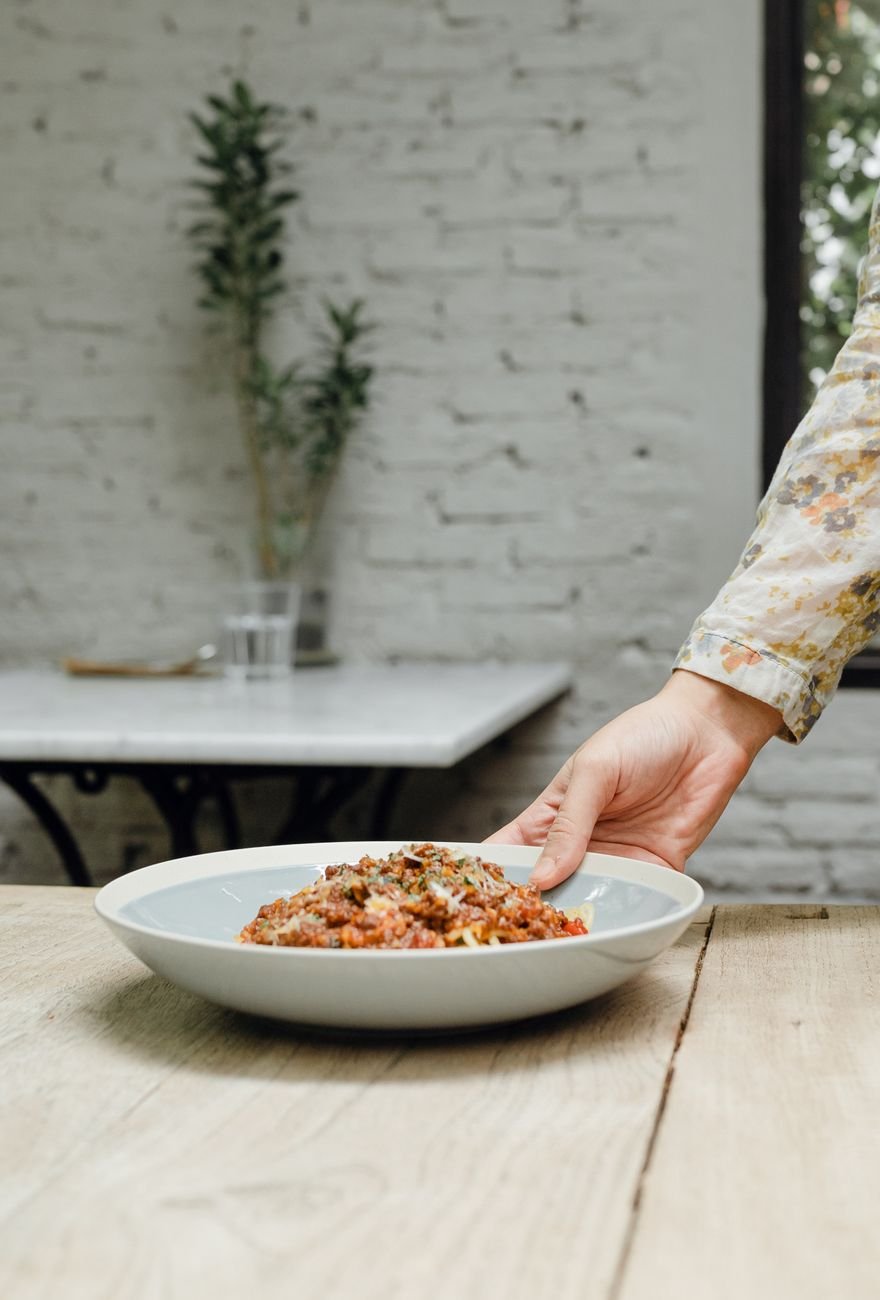
Six o'clock on a Thursday, and the sidewalks along the North Loop's old grain-and-hardware blocks fill with a particular crowd: gallery-hoppers ducking out of a furniture showroom, a cluster of Twins fans peeling off toward Target Field a few blocks east, a foursome arguing over who reserved the patio table. The brick warehouses that once stored flour, farm equipment, and produce now hold some of the most ambitious kitchens in the city, and the search for the best Italian in the North Loop starts with learning to read a room before you commit to a chair in it. This is a neighborhood built on renovated freight elevators and exposed timber, and it has become the city's most fashionable stretch for dinner. It has also become a place where a beautifully lit dining room can distract from a kitchen that isn't doing much.
The North Loop earned its reputation one converted warehouse at a time. Loft developers moved in first, then design studios and clothing shops, then restaurants that understood the neighborhood's bones were worth showing off rather than covering up. Ten-foot windows, timber columns, brick that has held up since the freight-rail days: it is a gorgeous shell for a restaurant, which is exactly the problem. A room this handsome can carry a mediocre kitchen for a surprisingly long run. Knowing what separates a real Italian kitchen from a good-looking one is the difference between a memorable dinner and an expensive photo backdrop.
How to Spot the Best Italian in the North Loop
Start with the pasta. A kitchen that makes its own, visibly and daily, is telling you something about its priorities before the menu even arrives. Machine-extruded dry pasta cooked well is perfectly fine, but house-made sheets, hand-cut tagliatelle, filled shapes like agnolotti or tortellini with a discernible seam, these take real labor and a real pasta cook on staff. Ask your server, plainly, what's made in house that day. A kitchen proud of the answer will tell you without checking.
Then look at the wine list. The best Italian in the North Loop tends to come paired with a wine program that goes deeper than a few recognizable Chianti labels. A serious list has some Nebbiolo from Piedmont, a Sicilian white or two, something from Alto Adige or the Marche that most guests won't recognize by name. It signals a buyer who actually cares about the regions the food is drawing from, not just a distributor's greatest hits.
The oven matters too. A wood-fired or true Neapolitan-style oven, visible from the dining room and running hot, produces a leopard-spotted, blistered crust that a standard kitchen range simply cannot fake. If the pizza on the menu looks uniformly pale and evenly browned, it likely came out of conventional equipment dressed up with Italian language on the menu. That's not a crime, but it's not the same category of cooking.
What to Order
- A pasta course that isn't the safest option on the page. A carbonara or cacio e pepe done with restraint tells you more about technique than a heavily sauced dish can hide behind.
- Something braised or slow-cooked, if it's on offer. Osso buco, a short rib ragu, a Sunday-style sauce built over hours. These dishes cannot be rushed, and a kitchen willing to commit the time is a kitchen worth trusting with the rest of the menu.
- A vegetable antipasto rather than the bread basket. How a restaurant treats a plate of charred radicchio or roasted peppers often reveals more discipline than the flagship entree.
- A digestivo to close, if the bar takes it seriously. An amaro list beyond Fernet suggests a staff that has actually spent time thinking about how an Italian meal is supposed to end.
Portion size and plating flourish are the least reliable signals in the North Loop's dining scene. A kitchen chasing Instagram attention will over-garnish and over-plate. A kitchen chasing flavor tends toward restraint: a good sauce needs less decoration, not more.
Timing a North Loop Dinner Around the Neighborhood
This is a district built around other people's schedules, and a smart diner works with that rather than against it. On game nights, the blocks nearest Target Field fill fast starting about two hours before first pitch, and a table booked for that same window will mean rushed service and a kitchen firing on all burners at once. Eat early, well before the ballpark crowd arrives, or plan a later seating once the first pitch has cleared the sidewalks out. The same logic applies on nights when a show lets out at First Avenue or one of the neighborhood's smaller venues; a reservation timed an hour before doors, rather than around them, tends to get a kitchen's full attention.
Weeknights reward patience less than weekends do here. A Tuesday table in the North Loop can still mean a twenty-minute wait at a serious kitchen, because the neighborhood's daytime population, design-firm employees, tech workers, warehouse-loft residents, empties directly into its restaurants at six o'clock. Calling ahead, even for a same-day reservation, is worth the two minutes it takes.
For a pregame plan that leans into the neighborhood rather than around it, a lot of regulars treat a North Loop Italian dinner as its own event and save the ballpark food entirely for later innings, treating a pregame stop near Target Field as an excuse for a proper sit-down meal rather than a rushed bite.
None of this is exclusive to Italian food. The North Loop's larger identity, converted warehouses turned into a dense strip of serious restaurants, applies just as much to the steakhouses and the New American rooms nearby. But Italian cooking, more than most cuisines, rewards a kitchen's patience and punishes its shortcuts in ways a casual diner can taste immediately. A sauce that's been building for hours announces itself. One that's been doctored at the last minute does too.
The takeaway for anyone hunting the best Italian in the North Loop: don't let the brick and the string lights do the deciding for you. Ask what's made in house. Look at the wine list before the entrees. Order the dish that takes the longest to make. A neighborhood this handsome will always have rooms trading on atmosphere alone, and the diners who eat well here are the ones who learned to taste past it. It's the same instinct locals bring to sorting the city's food halls: the good stuff rarely needs the loudest room to prove itself.