Best Italian Restaurants in the North Loop Worth the Trip
In a neighborhood built on cast-iron warehouses and good taste, Italian cooking has become the thing the North Loop does best, and here's how to order like you know the difference.
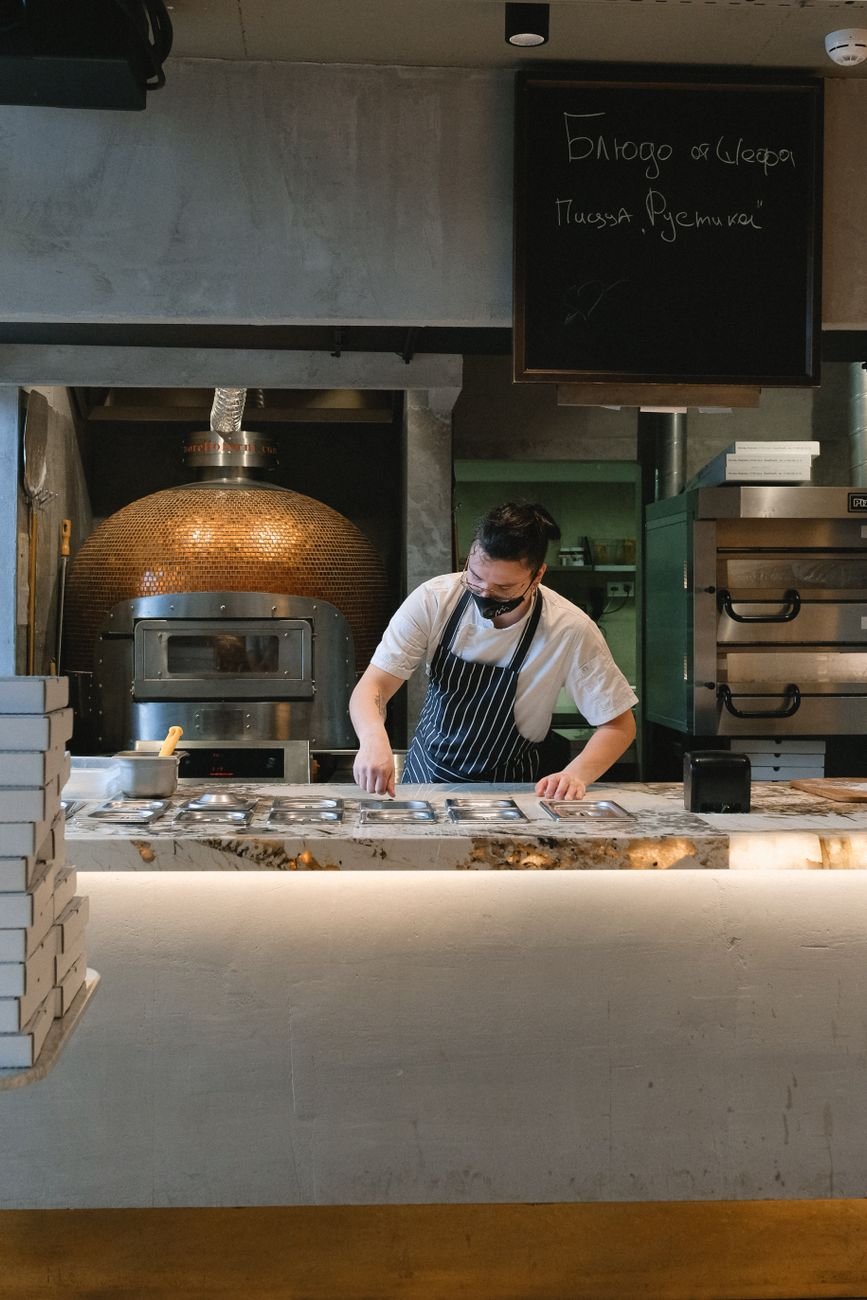
Walk north from Target Field on a weeknight and the light changes before the noise does. Brick facades that used to hold produce warehouses and rail freight now hold galleries, furniture showrooms, and dining rooms with the loading-dock doors still bolted to the wall. Somewhere between the parking ramps and the cobblestone remnants on Washington Avenue, this stretch of Minneapolis decided that good Italian cooking belonged here as much as good design did. Ask around for the best italian restaurants in the north loop and you'll get a debate, not a shrug. This is a neighborhood that takes its pasta seriously.
That seriousness isn't accidental. The North Loop's warehouses were built with soaring ceilings and oversized windows meant for moving freight, and that same architecture turns out to be ideal for the kind of open, theatrical kitchens Italian cooking rewards. Exposed brick holds heat well for wood-fired ovens. Big freight-elevator bays became private dining rooms. The bones of the building do a lot of the atmosphere's work before a single plate hits the table.
What Actually Separates the Best Italian Restaurants in the North Loop
The easiest way to sort a serious Italian kitchen from a generic one is to look at what's made in-house. Fresh pasta, rolled, cut, and often shaped by hand that day, behaves differently on the plate than dried pasta from a box. It has give. It picks up sauce instead of shedding it. A kitchen that lists its pasta shapes by name, rather than just calling everything pasta, is usually a kitchen willing to show its work.
Regional specificity is the other tell. Italy doesn't cook as one country at the table any more than Minnesota and its neighbors do. A menu built around Emilia-Romagna leans on butter, cream, and stuffed pasta like tortellini. A Roman-leaning kitchen goes heavier on pecorino, black pepper, and guanciale in dishes like cacio e pepe or carbonara. Sicilian cooking brings in citrus, capers, and seafood. Neapolitan pizza is a specific animal too, a soft, blistered, char-flecked crust cooked hot and fast, distinct from the crackery New York slice or a bar-style thin crust. None of these are better than the others. They're just different disciplines, and a restaurant that commits to one tends to execute it more precisely than one trying to do all of them at once.
What to order to test a kitchen
- A simple pasta with few ingredients, cacio e pepe, aglio e olio, or a straightforward tomato sauce, because there's nowhere to hide.
- Whatever the menu calls handmade or lists by regional name rather than generic category.
- A wood-fired pizza, if the oven is visible, since you can watch the char develop and judge the crust in real time.
- The house wine list for Italian regions beyond the usual Chianti and pinot grigio. Nebbiolo, Barbera, or a Sicilian white are good signs of a serious buyer.
How the Warehouse District Shapes the Meal
Dining in a converted warehouse comes with tradeoffs worth knowing before you sit down. Ceiling heights that look stunning in photos also mean sound travels; a packed room on a Friday night can get loud enough that conversation becomes a lean-in affair. Exposed brick and concrete floors don't absorb noise the way carpet and drywall do, so if you're after a quiet anniversary dinner, ask for a corner table or an early seating, the same instinct that makes the neighborhood good for a date-night dinner. On the upside, those same open floor plans tend to put you closer to the kitchen than a conventional restaurant would, and there's a real pleasure in watching a cook stretch dough or plate a dish twenty feet from your table.
The neighborhood's design-forward reputation extends to how these restaurants look, too, with original industrial details left exposed rather than covered over, paired with furniture and lighting that wouldn't be out of place in the showrooms next door. It's a specific North Loop sensibility: nothing precious, nothing overly polished, just good materials left alone.
Timing It Around Target Field
The single biggest variable in North Loop dining isn't the food. It's the Twins schedule. On game days, the neighborhood fills fast starting about two hours before first pitch, and that crowd doesn't just hit the sports bars. Restaurants within a few blocks of the ballpark see a surge of pre-game diners looking for a fast, satisfying meal before walking over, which means tables can be scarce and service can run quicker than usual. If you want a leisurely dinner with real pacing between courses, book well outside that window, or go on a night when the Twins are on the road. Checking the schedule before you make a reservation is not optional in this neighborhood between April and September.
Reservations and Parking, Realistically
Street parking in the North Loop is limited and gets competitive fast once the dinner rush and any event at Target Field overlap. Parking ramps are plentiful but fill during peak hours, so budget extra time to park and walk rather than counting on finding something right outside. The neighborhood is also genuinely walkable from the Warehouse District/Hennepin Avenue light rail station, which is worth considering if you're coming from elsewhere in the Twin Cities and don't want to deal with parking at all. For reservations, popular tables on Friday and Saturday nights tend to book out days in advance, especially for parties of four or more, so calling ahead beats walking in if you have your heart set on a specific spot.
None of this is complicated once you know it: order dishes that reveal a kitchen's actual skill rather than its most photogenic plate, respect the ballpark schedule, and treat parking as a logistics problem to solve early rather than something to figure out at 7:45 on a Saturday. Do that, and the North Loop's Italian scene holds up to the reputation the rest of the neighborhood has already earned, the kind worth starting at a good happy-hour bar and ending with a table that was worth the walk from wherever you parked.