Best Museums in Minneapolis Locals Recommend
From the free Asian art galleries at Mia to a Russian art museum housed in a converted mortuary, here's the real, locally sourced list of the best museums in Minneapolis, sorted by type and by who you're bringing along.

The Saturday crowd at the Minneapolis Institute of Art starts stacking up before the doors even open, and it isn't for a blockbuster show. It's families headed straight for the Chinese furniture galleries, art students sketching in front of a Rembrandt self-portrait, a retired couple who parked over in Whittier and walked because the museum functions, for them, like a second living room. That crowd is the honest answer to anyone hunting for the best museums in Minneapolis: this is a city that treats its collections like public infrastructure, not luxury goods, and the local pride in punching above its weight in painting and sculpture runs exactly as deep as it does in music and theater.
Ask a Minneapolitan about the city's museums and you'll get an earful about how the Twin Cities get flattened into one blob by outsiders, as if Minneapolis and St. Paul share a mayor. They don't, and the museum map proves it: some of the region's best-loved institutions sit squarely in Minneapolis, a few live across the river in St. Paul, and a couple occupy University of Minnesota ground that's technically its own jurisdiction. A good guide says so plainly instead of pretending geography doesn't matter. What follows covers the real, working list locals actually recommend when a friend visits and asks what to do besides eat and drink, sorted by what kind of museum it is, then by who you're bringing along. It sits in the "Things to Do" column of this city for a reason: Minneapolis built its identity on First Avenue's stage and the Guthrie's cantilevered bridge as much as on any restaurant week, and the museums belong in that same conversation instead of an afterthought below them.
The Best Museums in Minneapolis, by Type
The Art Anchors
The Minneapolis Institute of Art, known around town simply as Mia, is the collection every local eventually claims as their own. It holds more than 90,000 objects spanning 5,000 years, arranged across a beaux-arts building with newer wings folded in, and general admission to the permanent collection is free. Go for the Asian art galleries, which are genuinely world-class, then wander into the period rooms and the small, quiet Native American galleries before you lose steam. The insider move is timing a visit around a rotating special exhibition, which usually does carry a ticket, and pairing it with the free collection so the day doesn't feel like a splurge. Mia sits in the Whittier area, an easy walk from the restaurants on Eat Street.


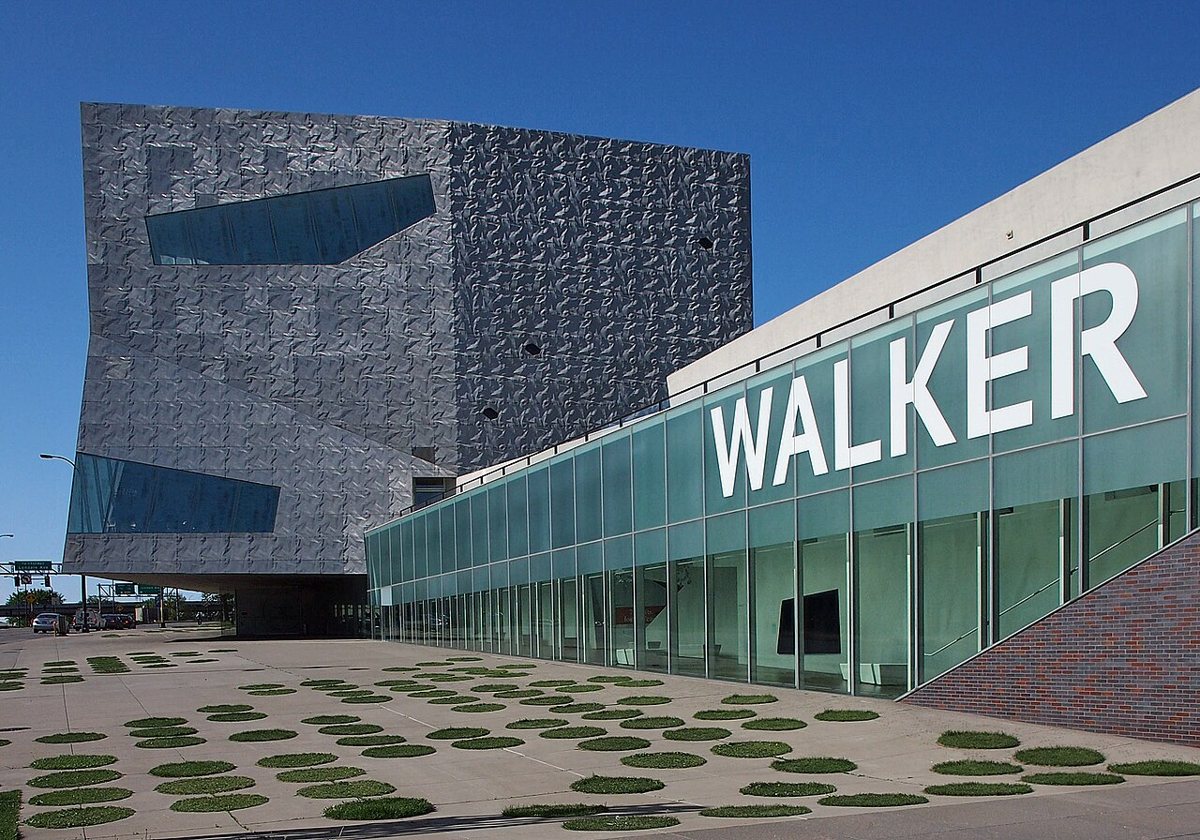
The Walker Art Center is where Minneapolis makes its case as a contemporary art city, not just a well-funded one. The galleries rotate through major touring shows and cornerstone pieces from the permanent collection, with a program of film, performance, and design that tends to outrun what similarly sized cities attempt. Galleries require a ticket, and it's worth checking whether a discounted or no-cost day is running before you go, since institutions periodically adjust their schedules. The building itself, with its angular expansions layered over decades, is worth studying on the way in, and the gift shop is one of the better design shops in the city on its own merits. Locals who grew up here tend to have a specific memory tied to a specific Walker show, the way people in other cities talk about a concert; that's the level of civic attachment this place commands. The Walker sits on Lowry Hill, just off Hennepin Avenue, close enough to Loring Park to make a whole afternoon of it.

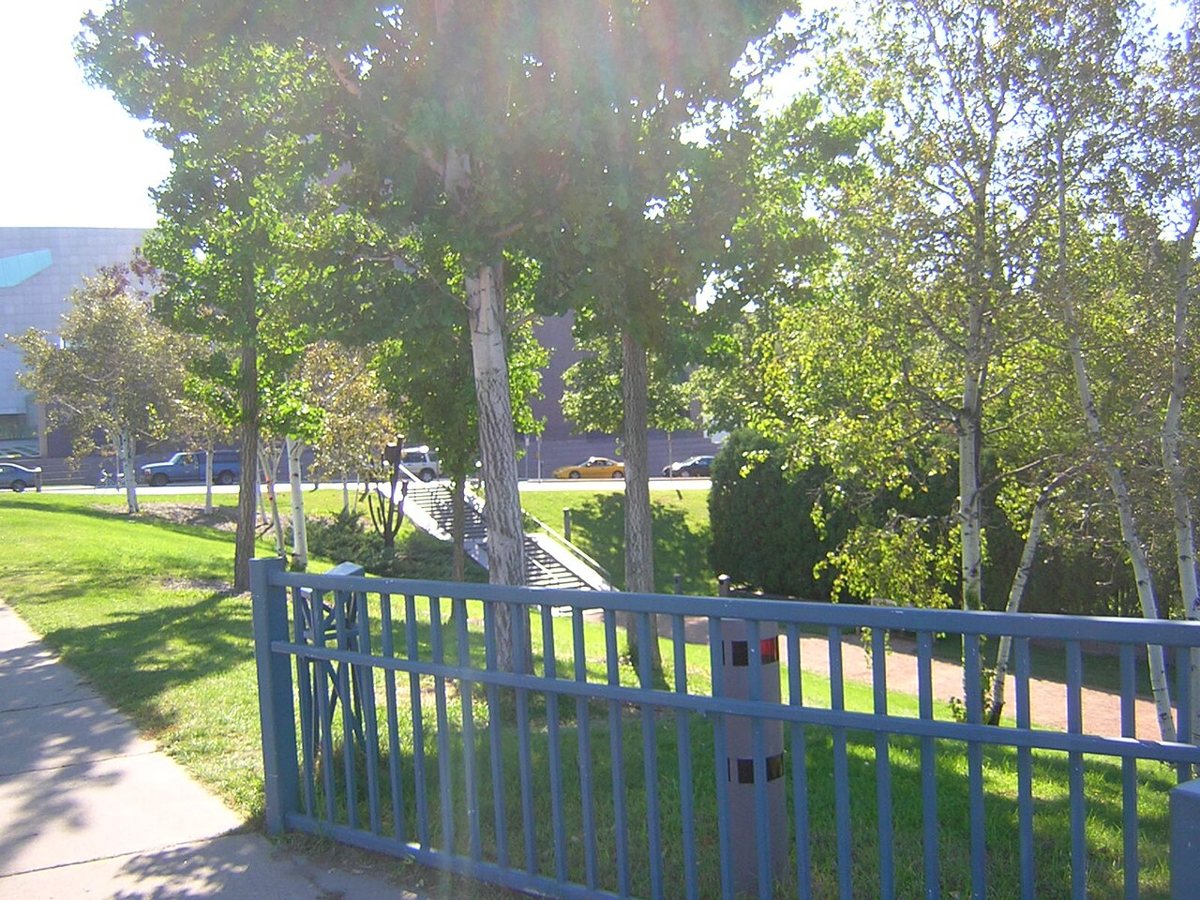
Technically the Minneapolis Sculpture Garden is a garden, not a museum, and calling it one undersells what it actually is: an open-air extension of the Walker's collection, free to enter any time it's open, anchored by Claes Oldenburg and Coosje van Bruggen's Spoonbridge and Cherry. Locals treat it as a park more than an attraction, which is exactly the right way to use it: bike the paths, picnic near the fountain, let out-of-town guests take the obligatory photo with the cherry. The garden also holds work by Henry Moore, Jenny Holzer, and a rotating cast of contemporary pieces that change often enough to reward a repeat visit. The Cowles Conservatory tucked into one corner adds a warm, glassed-in stop on a cold day, which is the closest this guide gets to a winter tip, and it works just as well as shade on a hot July afternoon. It borders Loring Park and the Walker, right off Vineland Place.

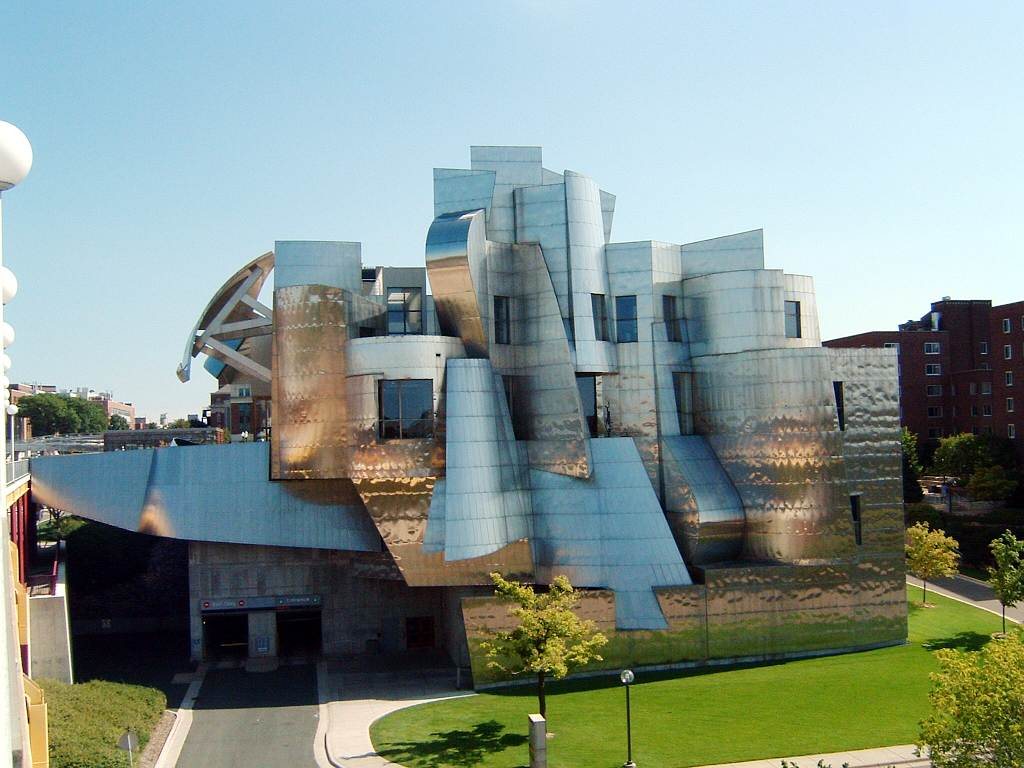
The Frederick R. Weisman Art Museum belongs to the University of Minnesota, which means it sits across the river on the East Bank near Dinkytown rather than downtown proper, but no honest museum list leaves it off. Frank Gehry designed the building, a stainless-steel eruption that catches the light differently every hour, and it's as much a reason to visit as anything inside. The collection leans on American modernism, ceramics, and a strong holding of Mimbres pottery, and general admission costs nothing. The insider tip is to walk the riverside path along the Mississippi first, since the Gehry facade reads best from below, catching afternoon light off the steel panels near the Washington Avenue Bridge. Pair it with a walk through Dinkytown afterward, since the campus neighborhood's coffee shops and used bookstores make a natural second stop for anyone who came over just for the art.

History You Can Walk Into
Mill City Museum occupies the ruins of the old Washburn A Mill, once the largest flour mill in the world, and it uses the building itself as the exhibit. An eight-story freight elevator called the Flour Tower rides visitors past reconstructed scenes of milling operations, and the observation deck at the top delivers one of the better views of the riverfront and the Stone Arch Bridge without a hike. The building survived a 1991 fire that gutted most of the original structure, and the museum was built directly into the ruin rather than around it, leaving scorched brick and twisted machinery visible in places, which is what makes the visit feel different from a standard history museum. Kids gravitate toward the working baking lab downstairs, where staff run short demonstrations most days, while adults linger longer on the fifth-floor exhibits about the flour barons and the workers who actually ran the mills. It sits right on the riverfront in the Mill District, steps from the Guthrie Theater's cantilevered bridge and the Stone Arch Bridge pedestrian crossing.


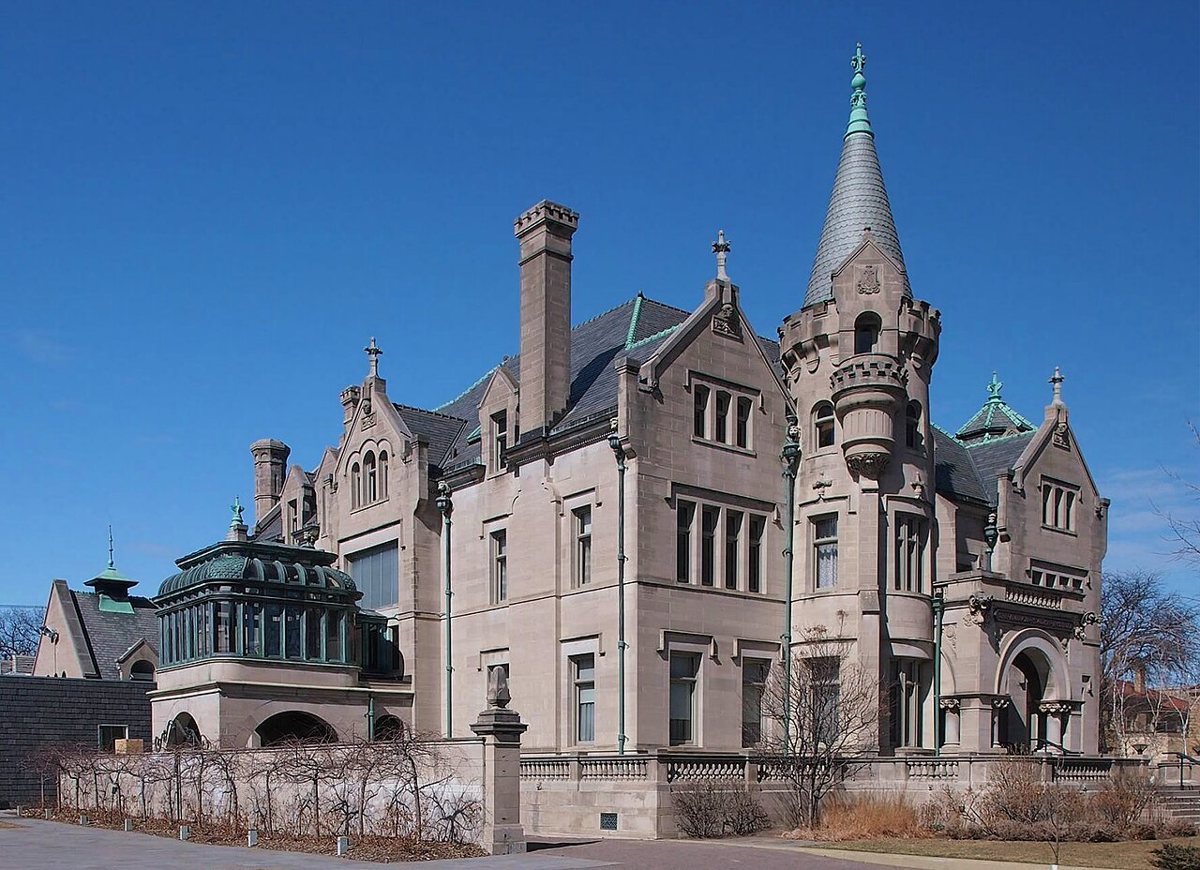
The American Swedish Institute occupies the Turnblad Mansion, a turreted 1908 château built for a Swedish immigrant newspaper publisher, and it remains a strikingly beautiful house museum by any Midwest standard. The carved wood interiors and imported tile stoves are worth the visit on their own, and the museum has grown well beyond a single ethnic-heritage stop, with rotating design and craft exhibitions in the adjoining Nelson Cultural Center. FIKA, the café attached to the building, draws people who have no interest in the museum at all, which tells you something about how the institute has folded itself into the city's daily life rather than staying a once-a-year field trip. Fall and winter both bring seasonal programming tied to Nordic traditions, and the mansion's carved staircase alone is worth the visit even on a day when nothing special is happening. It sits on Park Avenue, close to the restaurants of Eat Street.

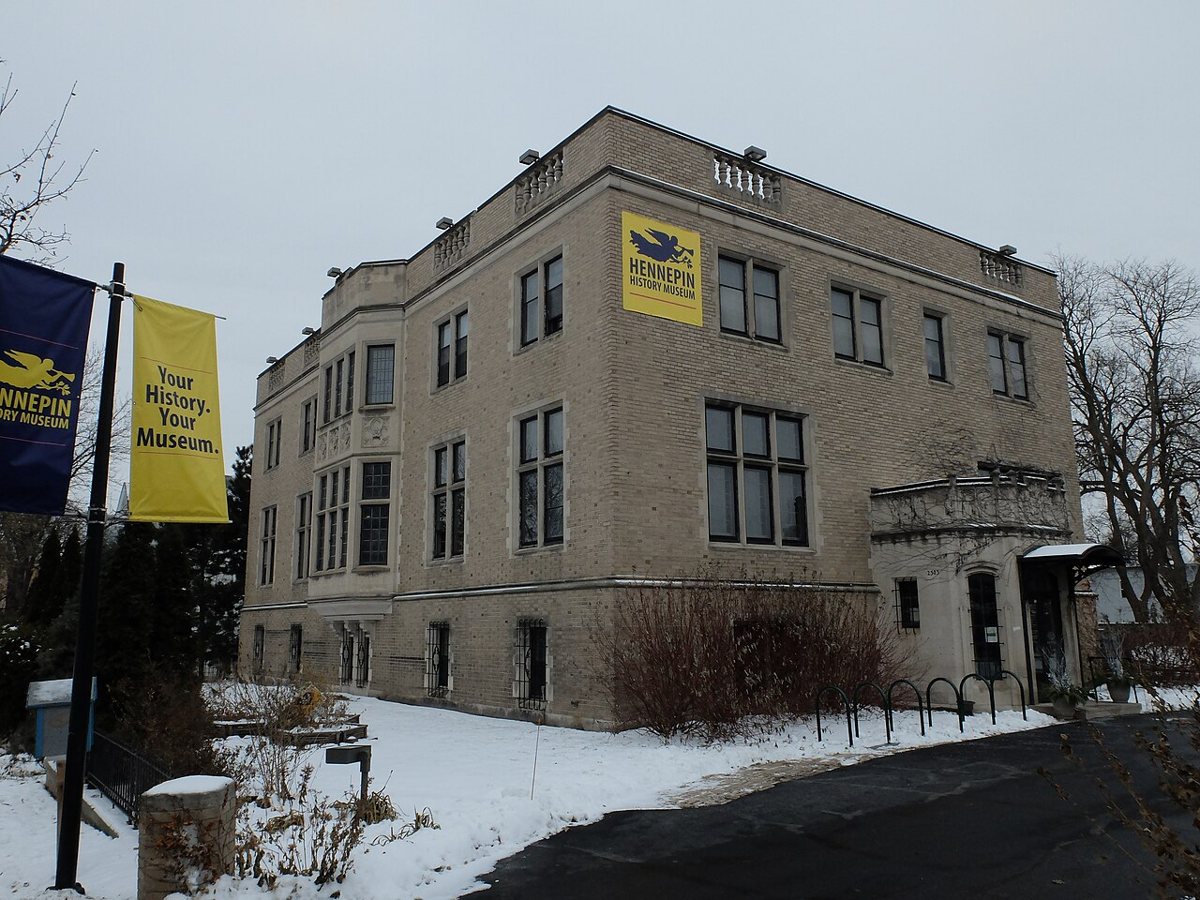
The Hennepin History Museum is the smallest and least flashy entry on this list, and it's exactly the kind of place a serious guide includes anyway. Housed in a 1919 mansion, it runs changing exhibitions on the neighborhoods, industries, and communities that built Hennepin County, and in recent years that has meant honest coverage of the Somali and other East African communities who have reshaped Cedar-Riverside and the Phillips neighborhood, alongside the Scandinavian and German settlement stories that used to dominate this kind of institution. It's a genuinely local, low-crowd option for anyone who wants Minneapolis history without the polish of a bigger operation, and the volunteers running the front desk usually know more neighborhood trivia than any placard on the wall. It's a good stop for anyone who wants context before touring Nordeast's breweries or Seward's co-op-heavy streets, since so many of those neighborhood identities trace back to the immigration waves this museum documents. The museum sits in the Stevens Square neighborhood, a short walk from downtown.

Science, Electricity, and the Natural World
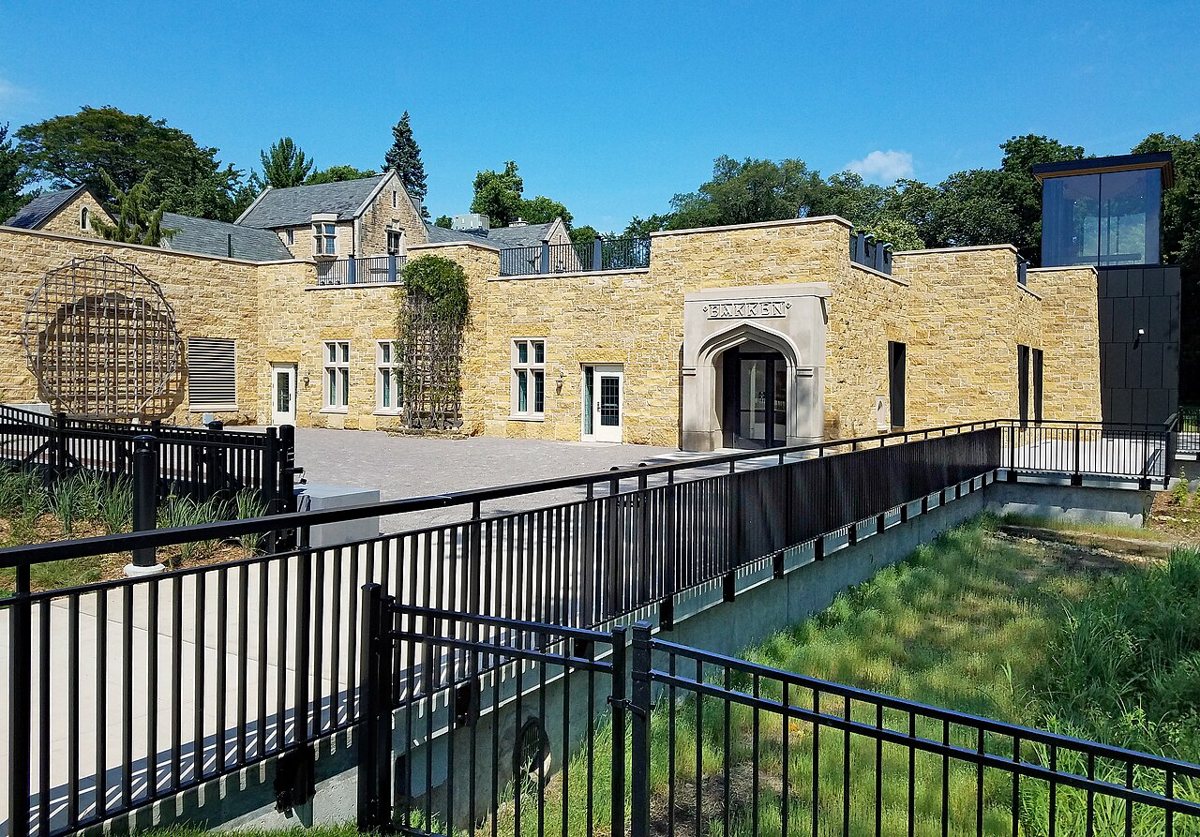
The Bakken Museum is built around one obsessive idea: electricity, magnetism, and the long, strange history of how people learned to put both to work, told through the personal collection of medical device inventor Earl Bakken, who co-founded Medtronic. The building itself is a 1920s brick mansion on the shore of Bde Maka Ska, and the grounds include an herb garden worth a slow walk in warmer months, plus a small maze that kids treat as its own attraction. Inside, working demonstrations of early electrical devices and a lab where visitors can build simple circuits make it one of the better hands-on stops in the city for a kid who's bored of looking at paintings. The insider tip is to save it for late afternoon and finish with a walk around the lake while the light's still good. It's an easy add-on to a lap around Bde Maka Ska, right on the water's edge on the lake's northwest side.

Honesty matters here: the Science Museum of Minnesota is one of the region's best family attractions, with an Omnitheater, a fossil hall anchored by a Triceratops skeleton, and hands-on physics and human-body exhibits that run for hours of attention span. It is not in Minneapolis. It sits across the river in downtown St. Paul, overlooking the Mississippi from Kellogg Boulevard, and any list that quietly implies otherwise is lying to you. Locals still make the short drive or light-rail trip regularly, and it's worth including here precisely because so many Minneapolis families treat it as part of their own rotation, even knowing which city it's actually in. The paleontology hall alone can absorb an entire rainy morning, and the museum's temporary exhibitions, often on loan from national tours, tend to be worth planning a specific weekend around.


The Bell Museum carries the same caveat. Minnesota's official natural history museum, with its dioramas of the state's ecosystems and a planetarium built into the same building, moved into a striking new facility on the University of Minnesota's St. Paul campus in 2018, leaving its old Minneapolis home behind. It's a genuinely good museum, strong on Minnesota wildlife and taxidermy dioramas that predate most visitors' grandparents, and the planetarium shows are a real draw for kids. Just know you're driving or busing over to the St. Paul campus, not staying in Minneapolis proper, when you plan the day. The building itself, all glass and clean lines against the surrounding prairie plantings, is a fair reason to visit even for people who think they've outgrown a diorama hall.


The Specialty Find
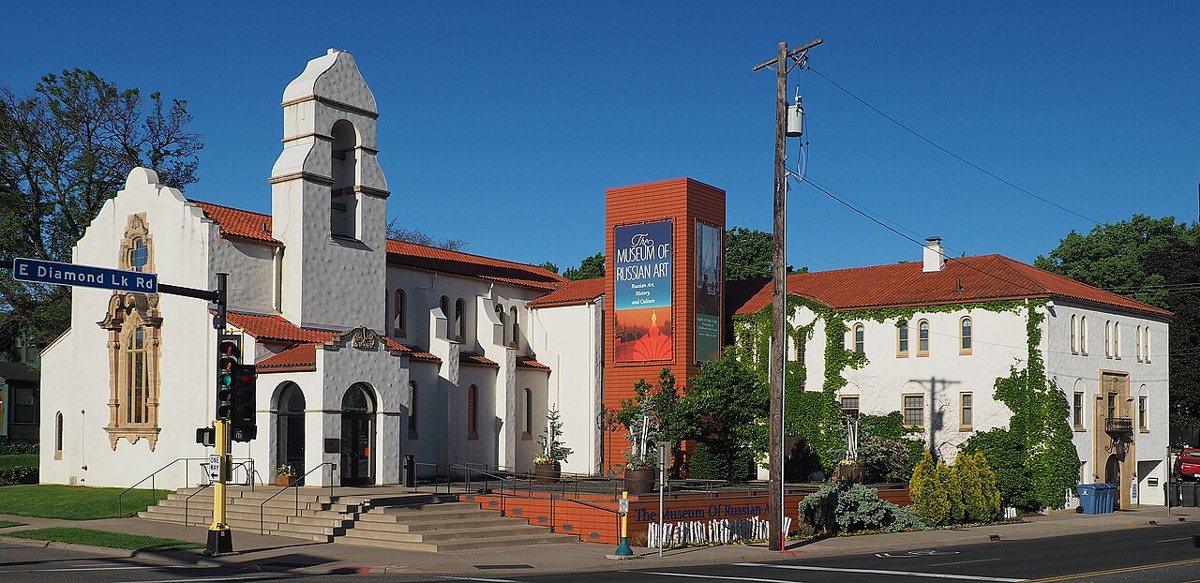
The Museum of Russian Art, known locally as TMORA, is the kind of place that surprises people who didn't know it existed. Housed in a converted 1920s Spanish Colonial Revival church-turned-mortuary on Diamond Lake Road, it's the only museum in North America dedicated specifically to Russian art, with rotating exhibitions pulled from Soviet-era realist painting, folk art, and contemporary Russian work that rarely travels anywhere near Minnesota. The building's unusual former life as a funeral home only adds to how unexpected the collection feels once you're inside. The gift shop sells nesting dolls and lacquer boxes sourced the way a serious museum shop should be, not the way an airport gift stand is, and the small café pours a solid espresso if you need a reason to linger. It's a quiet, uncrowded stop in the Tangletown area, not far from Lake Harriet, and a good pick for anyone who's already hit Mia and the Walker and wants something the rest of the country isn't seeing.

Best Museums for Kids, Free Days, and Rainy Afternoons
With Kids
The Bakken's circuit-building lab and the Science Museum of Minnesota's fossil hall and Omnitheater both reliably hold a school-age kid's attention longer than any art gallery will, and Mill City Museum's Flour Tower elevator ride functions almost like a theme-park attraction disguised as history. Families who don't mind the drive over to St. Paul also lean on the Minnesota Children's Museum, built specifically for younger kids with climbing structures and sensory play rooms rather than glass cases, and on the Bell Museum's planetarium shows, which run on a rotating schedule worth checking ahead of a visit. None of these require quiet-voices behavior the way Mia's period rooms do, which matters more than curators like to admit when you're managing a six-year-old's attention span. Mia itself isn't a lost cause for kids, either: the arms and armor gallery and the Egyptian mummy consistently outperform expectations, and family guides at the front desk point toward a kid-friendly route through the building.
Free and Cheap
Minneapolis is unusually generous here compared to most cities its size, largely because Mia has held to free general admission for decades on principle, not as a promotion. Budget a museum day around the genuinely free stops and treat anything with a ticket as the exception rather than the rule.
- Mia's general collection is free every day it's open, special exhibitions excepted.
- The Minneapolis Sculpture Garden and the Cowles Conservatory cost nothing to enter, any day.
- The Weisman Art Museum's general admission is free, Gehry building included.
- Several other institutions on this list run periodic free or discounted days — check each museum's current schedule before you plan around one.
- University-affiliated museums like the Weisman and Bell often extend reduced or free entry to students; bring an ID if you've got one.
Getting Around, Timing It, and the Winter-Friendly Angle
Most of this list clusters into two zones you can actually walk between: the Whittier/Loring Park cluster (Mia, the Walker, the Sculpture Garden) and the Mill District riverfront (Mill City Museum, with the Stone Arch Bridge and Guthrie a short walk away). The METRO Green and Blue light-rail lines connect downtown to the university, making the Weisman an easy no-car stop, and bike lanes and the Midtown Greenway link the Whittier museums down toward the Chain of Lakes if you'd rather pedal than drive. Weekday mornings are the quiet window at Mia and the Walker; weekends after lunch draw the heaviest crowds, especially when a big touring show is up. Parking around Mia and the Walker is mostly street or ramp, so budget a few extra minutes on weekends, and note that TMORA, the Bakken, and the American Swedish Institute all sit in residential-adjacent pockets where street parking is easier but less obvious to find on a first visit.
None of these museums demand you plan your whole visit around the weather, which is the point. Mill City Museum, TMORA, and the American Swedish Institute are entirely indoors and make a genuinely good plan for a rainy or subzero afternoon without turning your trip into a survival story. The skyway system downtown gets you close to some of this without ever touching sidewalk, useful in January but just as handy ducking a July thunderstorm. Come November, when the leaves are down and the Greenway empties out, a string of indoor museum stops is honestly one of the better ways to spend a Saturday in this city, no different from how a rainy June weekend would play out. If you're building out a longer weekend, it's worth pairing a museum day with more to do around the city or a lap through the city's best parks, since a lot of these institutions sit right at the edge of the Chain of Lakes or the riverfront anyway. Mornings tend to run quieter than afternoons everywhere on this list, and pairing an early museum visit with lunch on Nicollet Mall or in Nordeast afterward makes for an easy full day without overplanning it.
What Actually Sets Minneapolis Apart
Minneapolis doesn't need to borrow St. Paul's Science Museum or the university's Bell Museum to make its case, though this guide stays honest about where those two actually live. What the city has entirely on its own is a free-admission encyclopedic museum with a serious Asian art collection, a contemporary art center whose sculpture garden is as photographed as any public space in the Midwest, a milling ruin turned into one of the better small museums in the country, and a converted Spanish Colonial mortuary quietly holding the only Russian art collection of its kind on the continent. That's not a consolation prize sitting next to Chicago or the coasts. It's the same instinct that built First Avenue into a launching pad for a kid from north Minneapolis and turned the Guthrie into a national stage: a city that keeps investing seriously in culture instead of treating it as an afterthought behind sports and shopping. Prince is not a past-tense subject here, and neither is any of this.
The thing worth arguing for, if you press a local on it, is not any single museum but the pattern. A city this size shouldn't have a free encyclopedic art museum, a genuinely major contemporary art center, a Gehry building on a public university campus, and a Russian art museum in a converted funeral home, all within a twenty-minute drive of each other. Most places this size pick one lane. Minneapolis picked several and kept funding them. Go to Mia on a quiet weekday morning, then walk over to the Sculpture Garden and watch how many people are just living their ordinary lives around world-class art without making a production of it, dog walkers and lunch-break office workers cutting through like the Oldenburg cherry is furniture. That's the real tell, and it's a better argument for the city than any top-ten list could make on its own.