Best Day Trips From Minneapolis for 2026
Minneapolis sits inside a two-and-a-half-hour ring of river bluffs, a Great Lake, and two small colleges that punch well above their size, and this year's rundown covers every real reason to leave the city for a day.
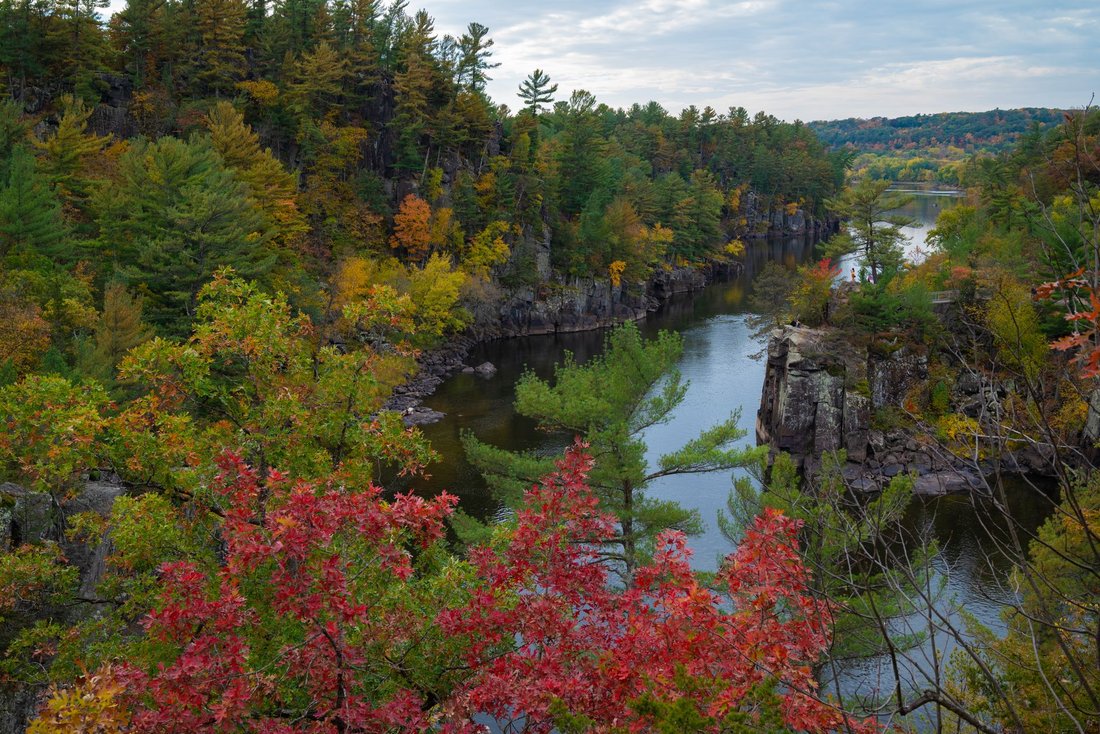
By four o'clock on a Friday in late July, the brake lights backed up on 35W tell you everyone else already figured out what you're about to. Minneapolis is a terrific place to live and, on the nicest weekends of the year, a genuinely hard place to sit still in. The good news is that the best day trips from Minneapolis don't require fighting that traffic for long. Point the car east for forty-five minutes and you're standing on a bluff above the St. Croix River. Point it north for two and a half hours and you're watching a freighter slide under a lift bridge on Lake Superior. This city's escape routes are some of the best in the Midwest, and a lot of them don't show up on lists written by people who've never actually made the drive.
A quick note before the list starts: Minnehaha Falls and the paths around Bde Maka Ska are not day trips. They're inside the city, a bike ride from downtown, and they deserve their own visit rather than a slot on this one. If you want that version of the guide, the city's own parks cover it well. This piece is about places that require an actual tank of gas.
It's also worth saying plainly that Minneapolis and St. Paul are not the same city, and the Twin Cities aren't interchangeable with each other any more than they're interchangeable with the towns below. Each destination here has its own history, its own reason a Minneapolitan would bother driving to it, and its own personality that has nothing to do with ours. That's most of the appeal. A city with world-class theater and a music legacy that never really went quiet doesn't need its day trips to compete on those terms, and none of the towns below try. They offer something else entirely: water, bluffs, small-town main streets, and a change of pace that a weekend at home can't provide.
The Best Day Trips From Minneapolis, by Direction
Minnesota driving culture assumes you'll leave. Cabin culture, lake culture, the whole idea of up north as a verb, all of it depends on the fact that a short drive changes the scenery completely. So instead of ranking these spots, it makes more sense to group them the way locals actually plan a Saturday: by which direction you're headed and how long you're willing to be in the car. East gets you into the St. Croix River valley inside an hour. South follows the Mississippi through a string of bluff towns. Southwest lands you in two small college towns with more going on than their size suggests. North is the long haul, the one that ends at Lake Superior and is worth every minute of it.
East to the St. Croix River Valley
Stillwater
Stillwater is the trip most Minneapolitans have already made, and for good reason. It's a river town built into a limestone bluff on the St. Croix, with a downtown of nineteenth-century brick storefronts that now hold antique dealers, bookshops, and a run of restaurants and breweries along the water. This is where Minnesota's territorial history got its start, and the town has never really let go of that identity. Walk the length of Main Street, then head down to the river to watch boat traffic pass under the old lift bridge, now reserved for pedestrians and bikes. The insider move is to go on a weekday morning, park once, and walk the whole downtown rather than driving between blocks, since summer weekend traffic backs up badly at the bridge. From downtown Minneapolis, figure on forty-five minutes to an hour depending on the bridge.
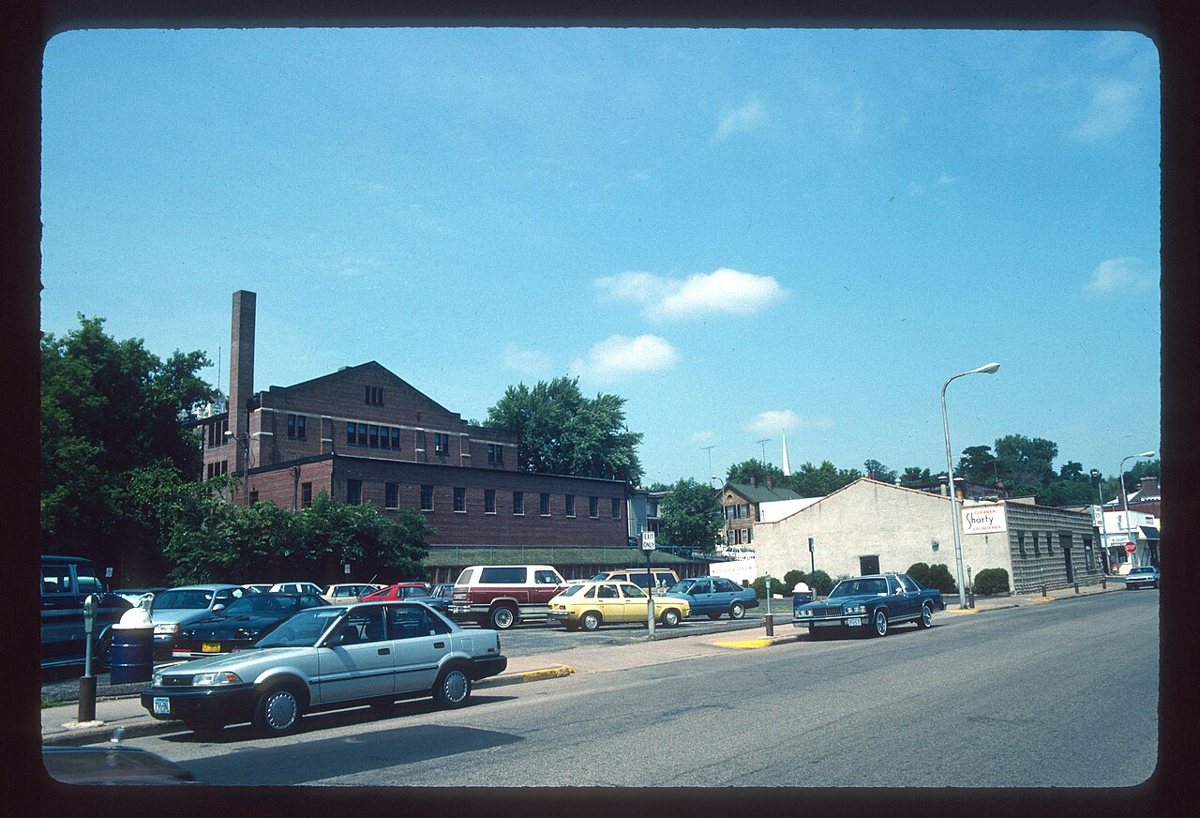

Taylors Falls and Interstate State Park
An hour northeast of Stillwater, the St. Croix narrows into a gorge of black basalt cliffs and glacial potholes, some of them among the largest in the world, carved by meltwater at the end of the last ice age. Interstate State Park straddles both the Minnesota and Wisconsin sides of the river here, and it's one of the few state parks in the region with real rock-climbing routes alongside its hiking trails. The town of Taylors Falls itself is small and easy to underrate, with a historic core and boat tours that run through the gorge. Bring water shoes if you plan to scramble down near the potholes, since the basalt gets slick. Drive time from Minneapolis runs about an hour to seventy-five minutes.
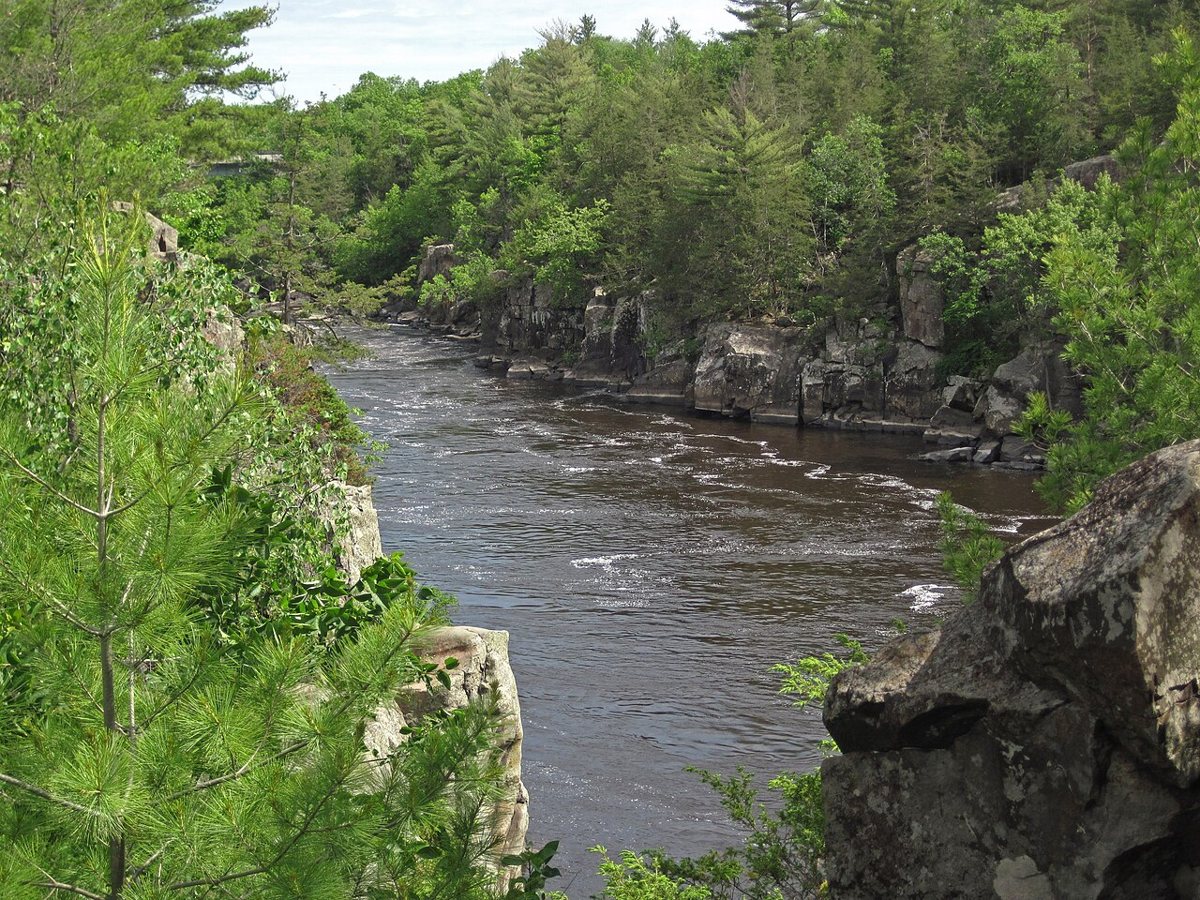

Afton
Afton is the smallest and least fussed-over stop in the St. Croix valley, a village of maybe a few hundred people with a Main Street built for foot traffic and a state park just south of town that gets a fraction of the visitors Stillwater does. Afton State Park has a network of hiking trails that drop steeply toward the river, which keeps casual visitors thinner on the ground even in peak season. It's a good pick for people who've already done Stillwater and want the same river valley without the crowd. Combine it with a stop at one of the apple orchards that dot this stretch of Washington County in the fall, or push a little farther north to William O'Brien State Park, which sits closer to Marine on St. Croix and offers a milder, family-friendly stretch of river for paddling and picnicking. The two parks make a natural pair for anyone trying to see the full range of what this valley offers in a single loop. Give yourself about fifty minutes from Minneapolis.
Tubing the Apple River
Cross into Wisconsin near Somerset and the St. Croix valley turns into one of the region's classic warm-weather traditions: floating the Apple River on an inner tube for a few unhurried hours. It's not a scenic overlook or a museum, it's a straightforward summer activity, and that's exactly the point after a week of screens and meetings. The current is gentle enough for a lazy afternoon and groups tend to make a day of it, tubing down and shuttling back up. Go on a weekday if you can, since weekend crowds here get loud and the parking fills early. It's about fifty minutes from Minneapolis, similar to the drive to Stillwater but across the river into Wisconsin.

South Along the Mississippi
Where the St. Croix trip is about a single river valley, heading south from Minneapolis means following the Mississippi itself through a string of bluff towns that grew up around the river trade. The bluffs get taller and the towns get older the farther south you go.
Hastings
Hastings sits at the point where the St. Croix empties into the Mississippi, which made it a natural river town from its earliest days, and its downtown still reflects that history with a dense cluster of well-kept nineteenth-century buildings. The Vermillion River cuts through the middle of town and drops over a small waterfall within easy walking distance of Main Street, which is an easy surprise for first-time visitors. It's a smaller, quieter stop than Stillwater, good for a slower pace and a walk along the river bluffs. Check current conditions before visiting any of the falls overlooks, since trail access can shift with the season. Drive time from Minneapolis is about forty minutes.
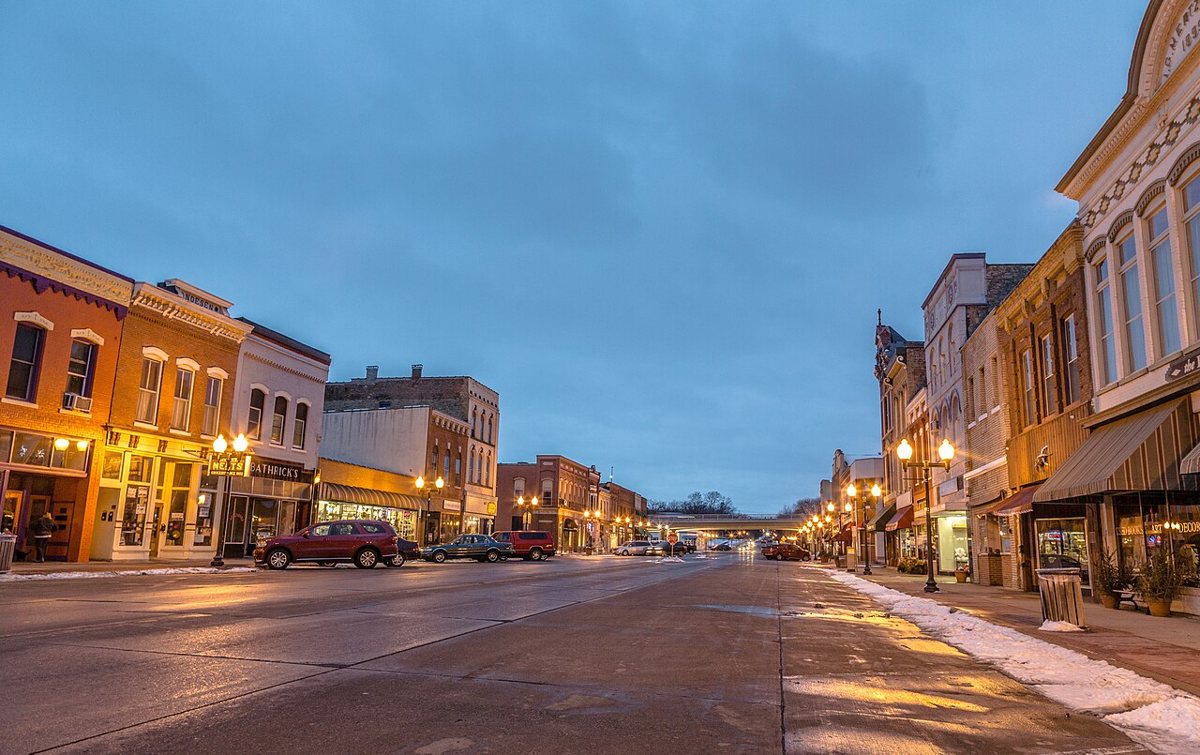

Red Wing
Red Wing is best known outside Minnesota for its pottery and its boots, both of which trace back to the same manufacturing history that built the town along the Mississippi. What makes it worth the drive in person is Barn Bluff, a limestone formation right at the edge of downtown with a trail to the top and a view over the river valley that rewards the climb in about thirty minutes. Downtown itself is walkable, with the restored St. James Hotel anchoring a strip of shops built around the same pottery and shoe-leather economy that gave the town its name. Go for the bluff hike in the morning before the heat sets in, then spend the afternoon downtown. It runs about an hour from Minneapolis.
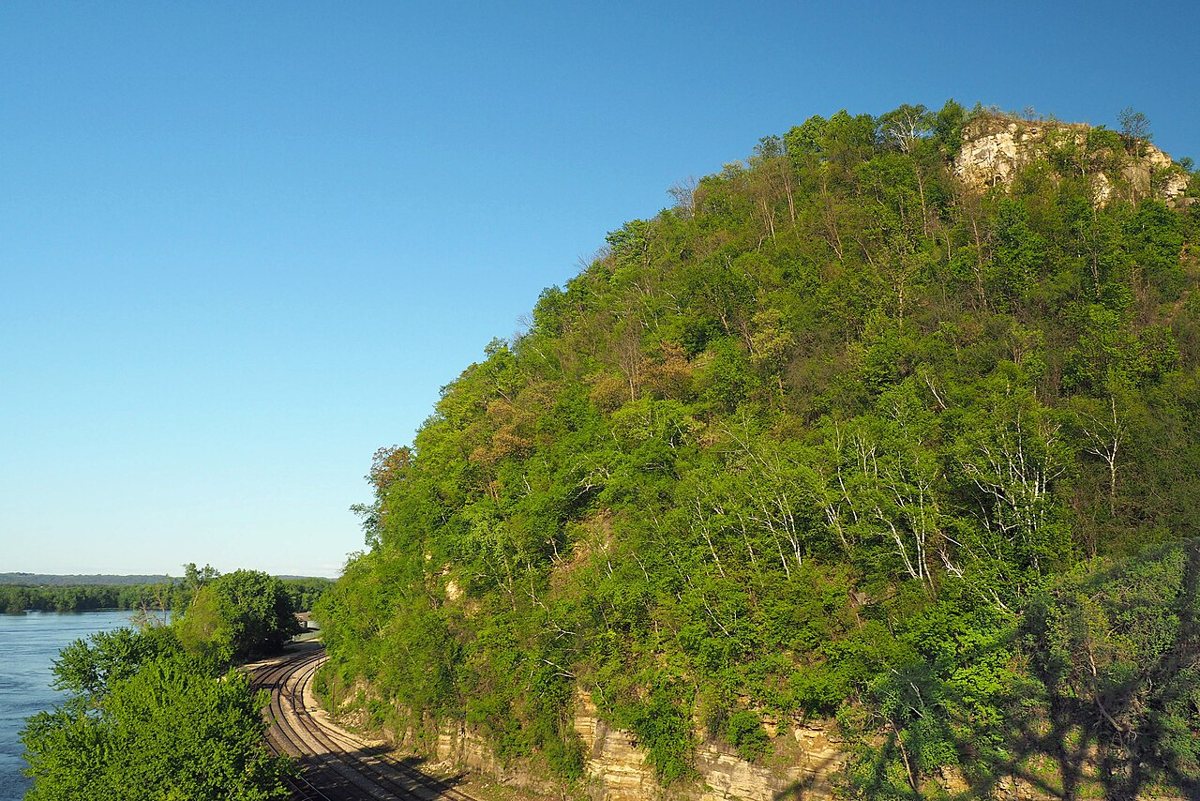

Lake City and Lake Pepin
Below Red Wing, the Mississippi widens dramatically into Lake Pepin, a natural lake formed by sediment from the Chippewa River backing up the main channel. Lake City sits on its shore and has long claimed to be the birthplace of water skiing, a claim locals will happily explain in detail if you ask. The town's small marina and lakefront make it a good spot to just sit and watch sailboats work the wide water, which looks nothing like the narrow, wooded river you crossed an hour earlier. It pairs naturally with a stop in Red Wing on the way down, turning the day into a full loop along the bluffs. Plan for about ninety minutes from Minneapolis, longer if you stop along the way.
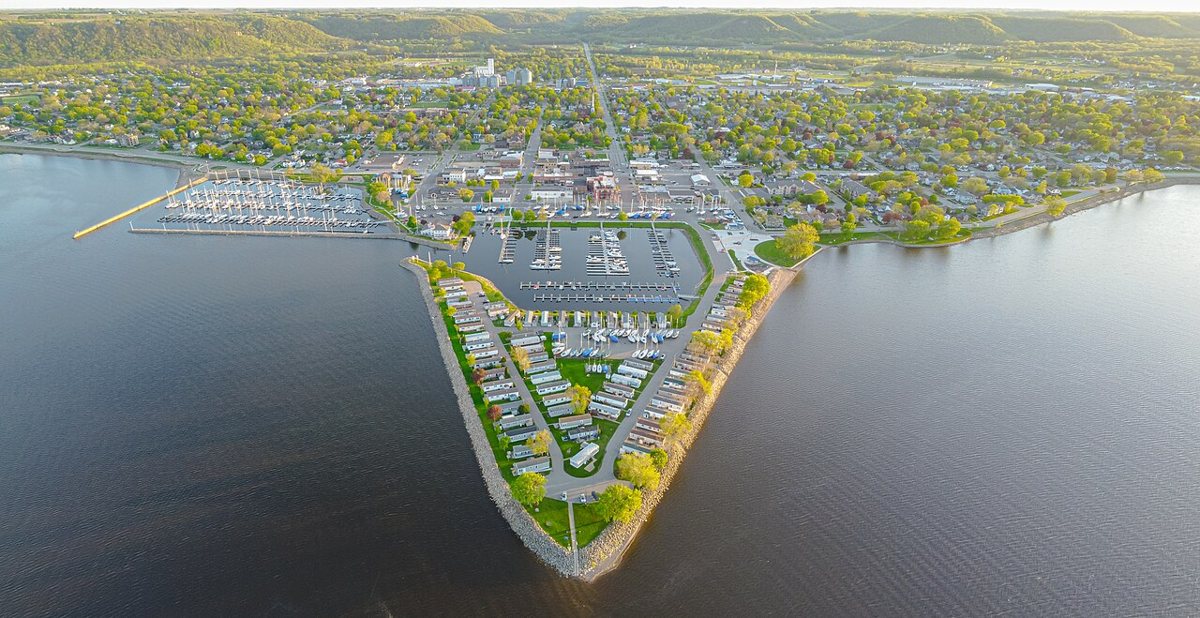

Two College Towns Worth the Drive
Northfield
Northfield holds two well-regarded small colleges, Carleton and St. Olaf, sitting on opposite ends of a town built along the Cannon River, and that combination gives it a bookish, unhurried energy that's distinct from the river towns to the east. Downtown centers on Bridge Square, where the Cannon River runs right through the middle of the shopping district, and the town is famous in Minnesota history as the site of the failed 1876 bank raid by the Jesse James gang, a story the town still tells with real local pride. Walk the river path, poke into the independent bookstores that a two-college town tends to support, and take the history at face value rather than expecting a theme park version of it. It's about forty-five minutes from Minneapolis, one of the shortest drives on this list.
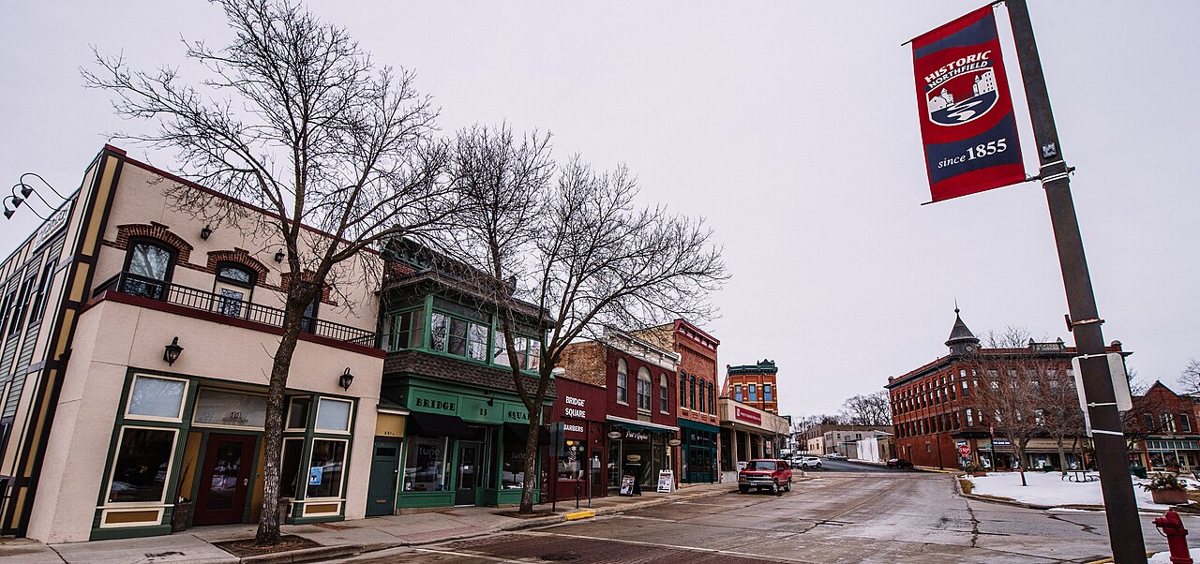

Mankato
Mankato sits farther southwest along the Minnesota River, a bigger city than Northfield with a state university and a food and brewery scene that's grown up around it in recent years. It's also a place with a heavy and important history: the largest mass execution in United States history took place here in 1862, at the close of the U.S.-Dakota War, and the city now maintains memorial sites that acknowledge that history rather than paper over it. Beyond that, Mankato offers river-bluff trails at Land of Memories Park, a stretch of green space along the Minnesota River at Sibley Park near downtown, and a food and brewery scene that's been steadily filling back in with independent operators over the past decade. The university keeps the town lively during the school year and noticeably quieter in summer, which is worth knowing before you plan around it. It's a longer drive than the other southern towns, worth it if you want to combine history with a genuine change of scenery. Figure on about ninety minutes from Minneapolis.
North to Lake Superior: The Long Haul
This is the trip that stretches the definition of a day trip, and it's also the one longtime residents will tell you to make anyway. Duluth and the North Shore sit roughly two and a half hours north of Minneapolis, far enough that most people either leave before sunrise or turn it into an overnight, but close enough that plenty of Minneapolitans do it in a single long day every summer.
Duluth
Duluth is a working port city built into a hillside above Lake Superior, and the water itself is the whole point of the drive. Canal Park, right where the harbor meets the lake, centers on the Aerial Lift Bridge, which still raises for ore boats and ocean-going freighters passing underneath. From there the Lakewalk runs for miles along the shoreline, and the hillside neighborhoods above downtown hold Glensheen, the old mining-family mansion that's open for tours, along with Enger Tower for a wide view back over the harbor. Lake Superior runs cold even in August, which surprises first-time visitors every year, so plan swimming expectations accordingly. Budget the full two and a half hours each way and treat the drive itself, which follows the interstate most of the way, as part of the day.


Gooseberry Falls State Park
North of Duluth, Highway 61 runs along the lake shore and hits Gooseberry Falls within about forty-five minutes, one of the most photographed spots in the whole state. The river drops over a series of wide, layered falls just a short walk from the parking area, which makes it accessible for almost anyone, while longer trails follow the river gorge for hikers who want more distance. It's popular enough in summer that arriving early in the day makes a real difference in how much of the park you get to yourself. Combine it with Duluth on the same trip if you're already making the long drive north, since the two are close together on the same highway. From Minneapolis, plan on roughly three hours including the stretch past Duluth.
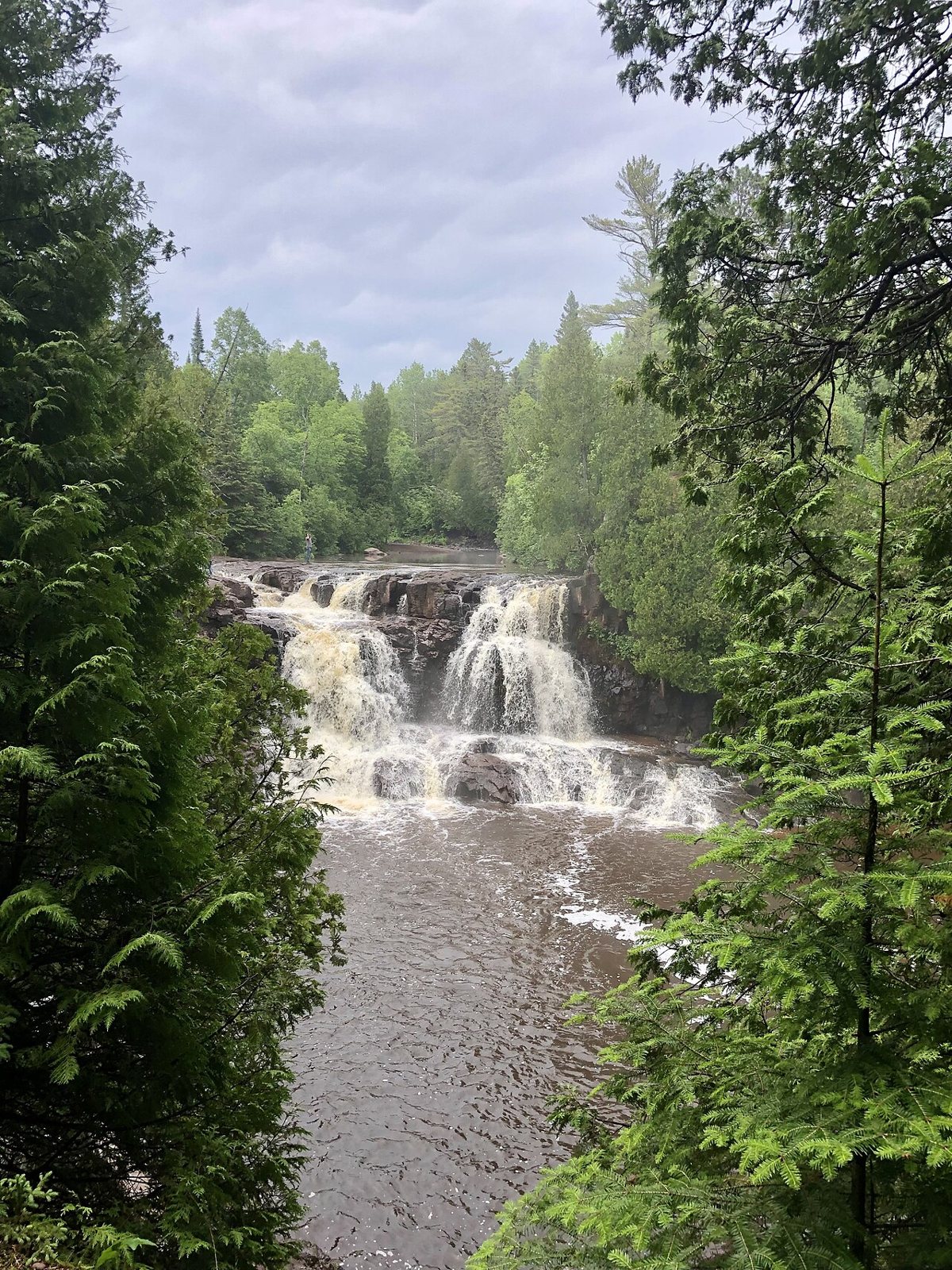

Split Rock Lighthouse and the Scenic Drive
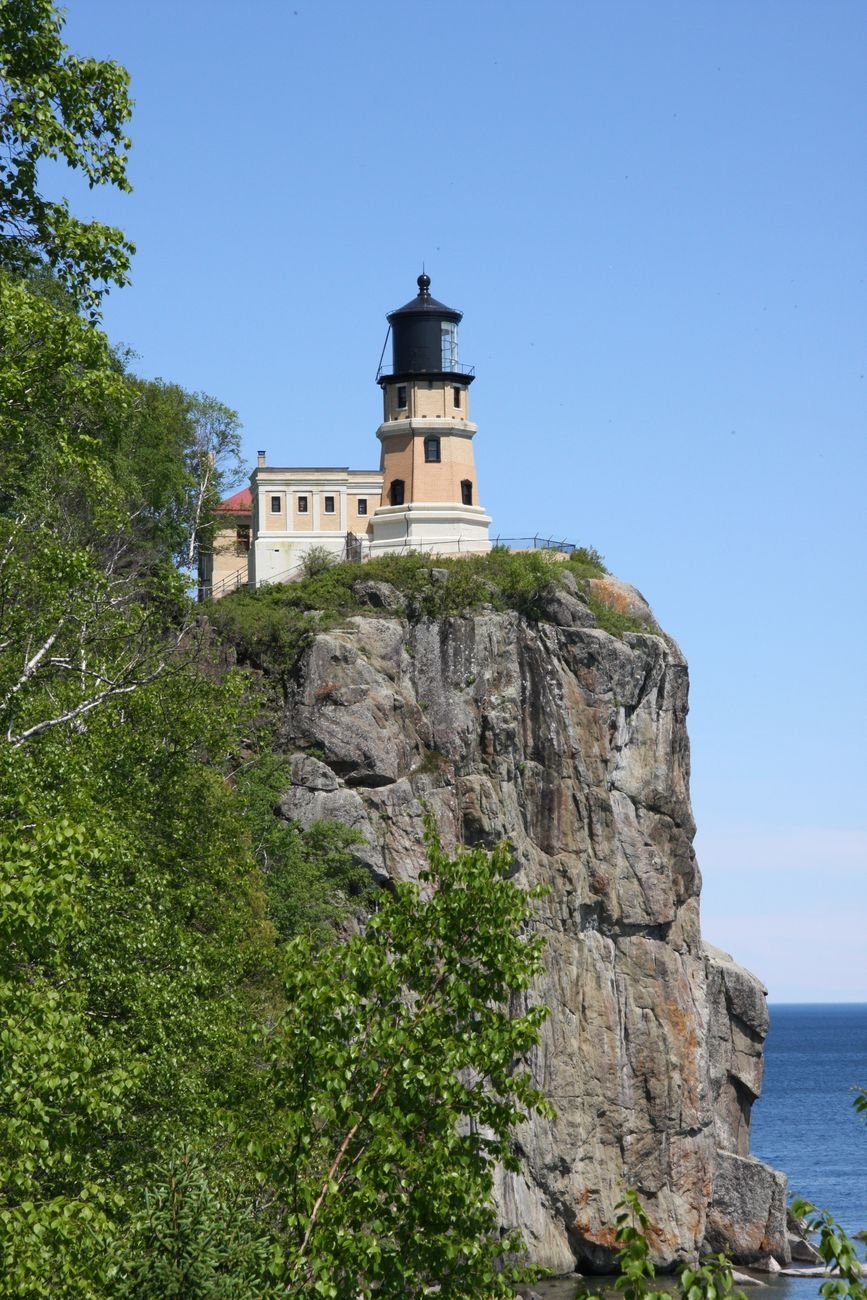
A bit farther up the shore from Gooseberry, Split Rock Lighthouse sits on a sheer cliff above Lake Superior, built in the early twentieth century after a string of shipwrecks and now one of the most recognizable landmarks in the state. The grounds include the keeper's house and the light itself, along with trails that run along the cliff for views up and down the coast. Even without going inside, the drive along Highway 61 to reach it, with the lake opening up on one side and birch and pine on the other, is a big part of the reason people make this trip at all. Go in early fall if you can time it, when the shoreline hardwoods turn color against the dark water. It's a little over three hours from Minneapolis, best paired with Duluth and Gooseberry Falls into one long North Shore day.
Getting There, Timing It Right, and What's Free
None of these trips require much beyond a car and a full tank of gas, but a few practical habits make a real difference.
- Leave earlier than feels necessary. Every one of these towns gets noticeably more crowded after late morning in summer, and parking in Stillwater, Red Wing, and Duluth's Canal Park fills fastest on weekend afternoons.
- State parks along this list, including Interstate, Afton, and Gooseberry Falls, require a vehicle permit rather than a per-person admission fee, and many visitor centers sell them on site, though checking current requirements before you go saves a stop.
- Most of the river-town downtowns, Stillwater, Hastings, Red Wing, Northfield, cost nothing to walk. The bluff hikes at Barn Bluff and Afton State Park are also free once you're parked.
- Cell coverage gets thin in stretches of the St. Croix gorge and along parts of the North Shore, so download directions before you lose signal.
- Gas up before you leave the metro. Small towns along the St. Croix and Mississippi have stations, but prices run higher and options get sparse the farther you get from a highway interchange.
- If you're combining stops, such as Red Wing with Lake City, or Duluth with Gooseberry Falls and Split Rock, build in more time than the drive alone suggests. These towns reward slowing down, not checking a box.
- Before any long drive north or east, a stop in Cedar-Riverside or along Lake Street for coffee or a plate of sambusas from one of the neighborhood's East African-owned spots is as much a Minneapolis ritual as the drive itself, and it's a fair reminder of what makes this city worth coming back to.
Fall changes the calculus for nearly every stop on this list, since the bluffs along the St. Croix and the Mississippi carry color that rivals anything up north, often with lighter crowds than summer weekends bring. Winter narrows the list considerably, since a few of these parks and trails become far less accessible once the snow sets in, but the ones that stay open, particularly Taylors Falls and Gooseberry Falls, take on a completely different character worth seeing at least once.
What ties all of this together isn't distance, it's the fact that a city known nationally for theater with real Broadway pedigree and a music history that still produces working bands out of the same clubs Prince played in, sits inside a ring of towns that have nothing to do with any of that. Stillwater doesn't care that Minneapolis has a serious symphony. Northfield's whole identity runs through two small colleges and a bank robbery gone wrong. Duluth is a shipping port before it's anything else. None of them are trying to be an extension of the city, and that's exactly why leaving it for a day is worth doing regularly rather than once a summer. Save the ambitious itinerary for a trip out of state. Most weekends, the better move is picking one river town, one hike, or one lighthouse, and giving it the whole day rather than rushing to see three. If a full day out sounds like too much this week, a weekend closer to home covers what's worth doing without leaving city limits at all. But when the weather cooperates, get in the car. The whole point of living here is how much is within reach.