Things to Do in Uptown Worth Exploring
Uptown has been declared dead and reborn so many times the neighborhood barely notices anymore. Here is what actually rewards a visit right now, from three lakes and a converted rail line to a bowling alley that doubles as a theater.
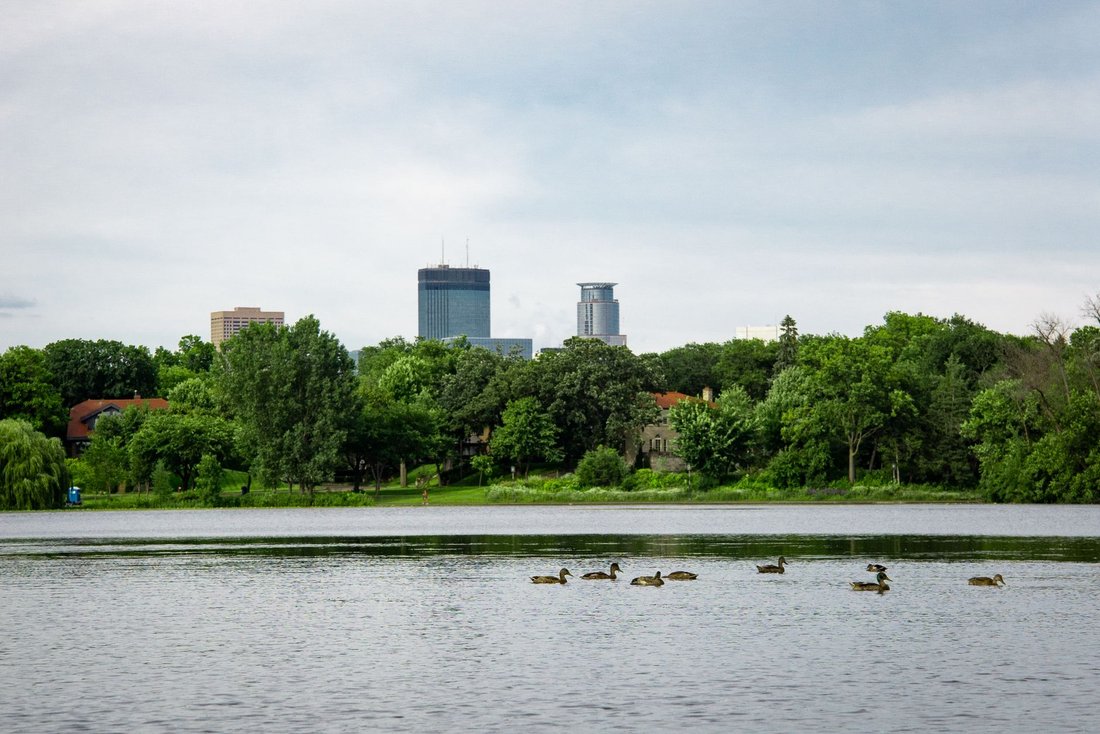
On a weeknight in early fall, the patio outside a coffee shop on Hennepin Avenue fills before most of the city has clocked out, and the Chain of Lakes two blocks away is already catching the last orange light. Anyone searching out things to do in Uptown finds a neighborhood mid-rewrite rather than in decline: three lakes within a fifteen-minute walk of each other, a converted rail corridor that functions as the city's real spine for cyclists, a theater and live-comedy scene that punches well above a metro this size, and a food landscape running from a Juicy Lucy dripping down your wrist to some of the most serious Somali and East African cooking in the country a short ride south. Uptown has spent three decades being called the coolest neighborhood in the Twin Cities and another decade being pronounced finished, and both verdicts miss what is actually happening on the ground. Storefronts turn over here faster than almost anywhere else in Minneapolis, and a few longtime anchors have genuinely gone dark in recent years, but the bones underneath keep pulling people back. This is a guide to what actually rewards a visit, written by someone who still bikes the Greenway in November because the cold clarifies things.
Things to Do in Uptown: The Chain of Lakes
Start with the water, because everything else in Uptown arranges itself around the Chain of Lakes. Three lakes sit within walking distance of Hennepin Avenue, connected by paved paths that Minneapolis has protected for a century through a park system locals still argue is the best civic decision the city ever made. Runners, paddlers, cross-country skiers and people just trying to clear their heads after work all share the same shoreline, and the crowd changes by the hour more than by the season.
Bde Maka Ska
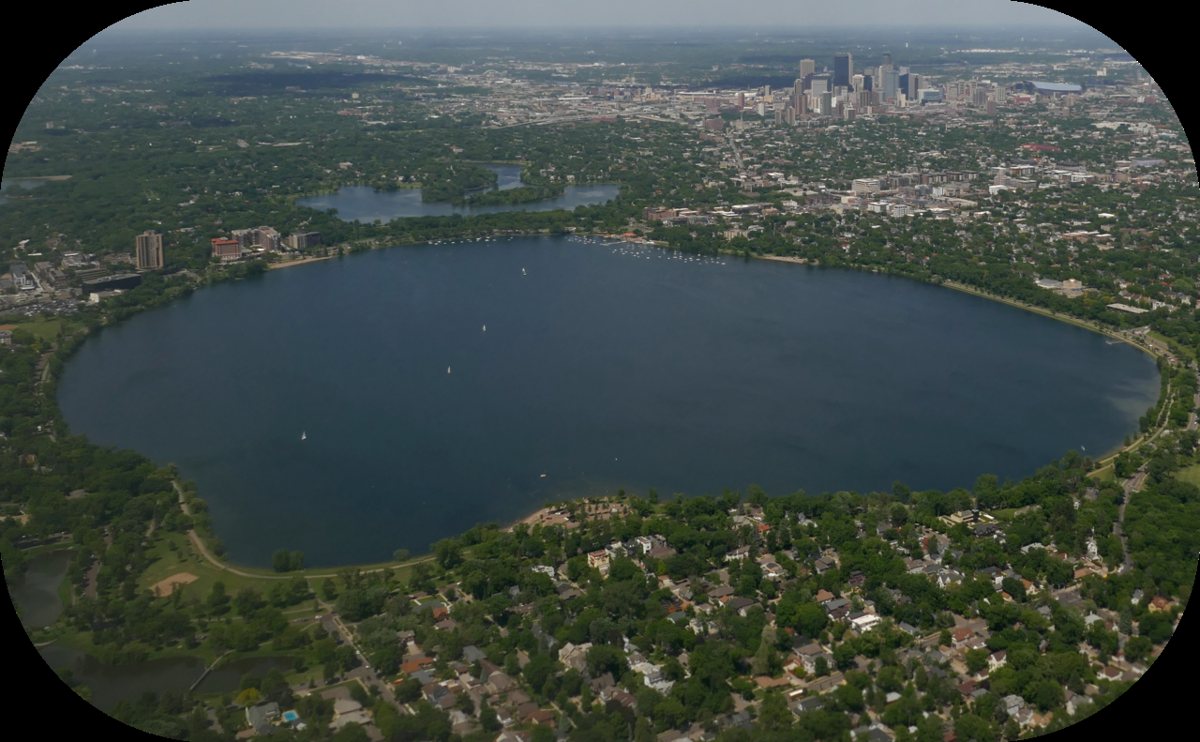

The largest lake in Minneapolis proper carries its Dakota name officially now, a restoration that took years of local debate and is worth knowing before you show up asking directions to the old name. The full loop around the water runs a little over three miles on separate paths for walking and biking, and the swimming beaches on the east side get busy with a genuine cross-section of the city rather than a single demographic. Sailboats rent from a small marina near the northeast corner, and there is a public boat launch for anyone who wants to bring their own kayak. The insider move is arriving in the two hours before sunset on a weekday, when the crowds from the beaches have thinned but the light across the water is doing its best work. This sits at the western edge of Uptown proper, an easy walk from the restaurants on Hennepin.
Lake of the Isles
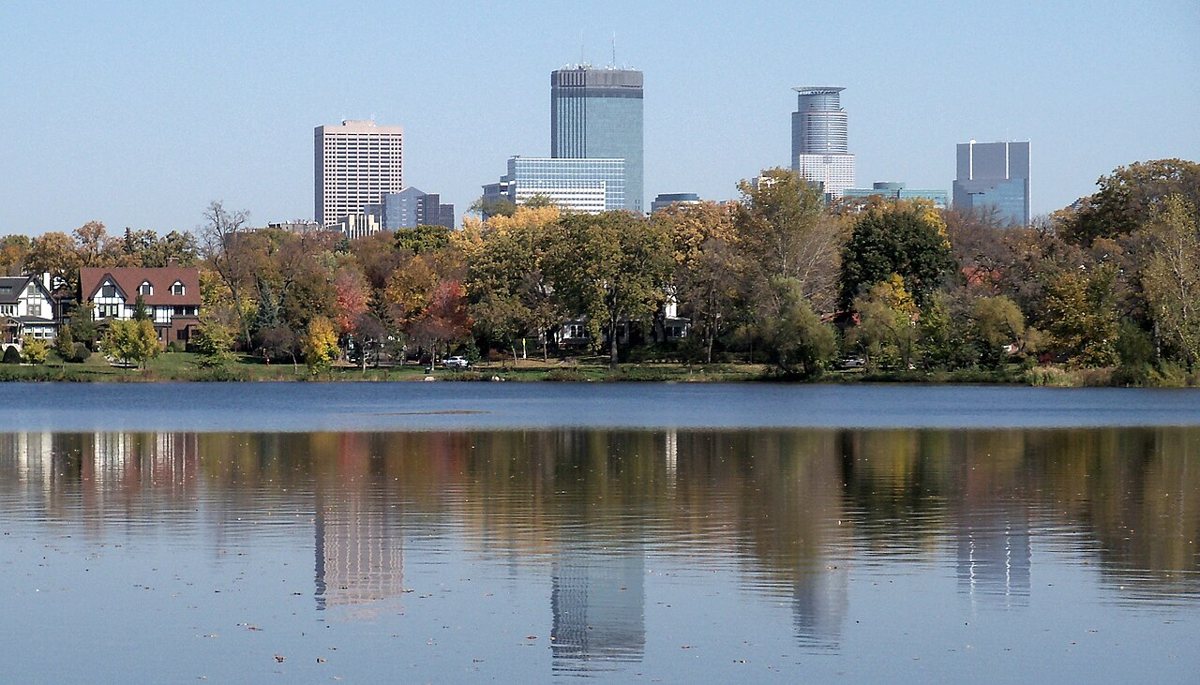

Smaller and quieter than its neighbor, Lake of the Isles is ringed by some of the grandest residential architecture in the city, a stretch of early-twentieth-century mansions that turned this into one of Minneapolis's original prestige addresses. The lake itself has an irregular, almost amoeba-shaped channel with a canal connecting it to Bde Maka Ska, and canoes and kayaks move freely between the two on calm days. Winter turns a groomed section into a public ice rink and a warming house that has been a neighborhood fixture for generations, evidence that Uptown's outdoor life does not simply shut down once the lakes freeze. The architecture walk alone justifies a slow lap, and the north end near the Kenwood neighborhood is the spot for anyone chasing a quiet bench and a view instead of foot traffic.
Lake Harriet and the Bandshell
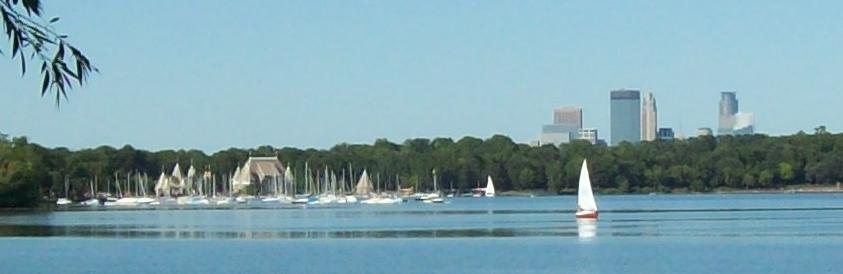

Lake Harriet sits just south of the Uptown core and functions as the neighborhood's town square as much as its lake. The bandshell hosts free live music through the warmer months, drawing blankets-and-lawn-chairs crowds for everything from local jazz combos to touring folk acts, and the pavilion next to it has ice cream and a covered deck looking straight out over the water. A vintage streetcar still runs along a short heritage line between Lake Harriet and a restored depot near Bde Maka Ska, a genuinely charming holdover that most visitors never expect to find running through a modern American city. The rose garden and bird sanctuary on the northeast shore reward anyone willing to walk ten minutes past the crowds at the pavilion. This is the most family-heavy of the three lakes and the easiest to reach by bike straight down the Greenway or the connecting parkway trails.
Hennepin and Lagoon: The Heart of the Neighborhood
The commercial spine of Uptown runs along Hennepin Avenue and its cross street Lagoon Avenue, and this is the part of the neighborhood people mean when they talk about Uptown being in flux. Some of the anchor retail that defined the strip for twenty years has closed or moved, and a few storefronts sit empty longer than anyone would like. That is real, and pretending otherwise does the neighborhood no favors. What is also real: the corridor keeps refilling with independent restaurants, music venues and small shops willing to take a chance on foot traffic that never fully went away, and the bones of the district, the density, the walkability, the lake access two blocks off the strip, have not gone anywhere.
The Uptown Theatre Marquee
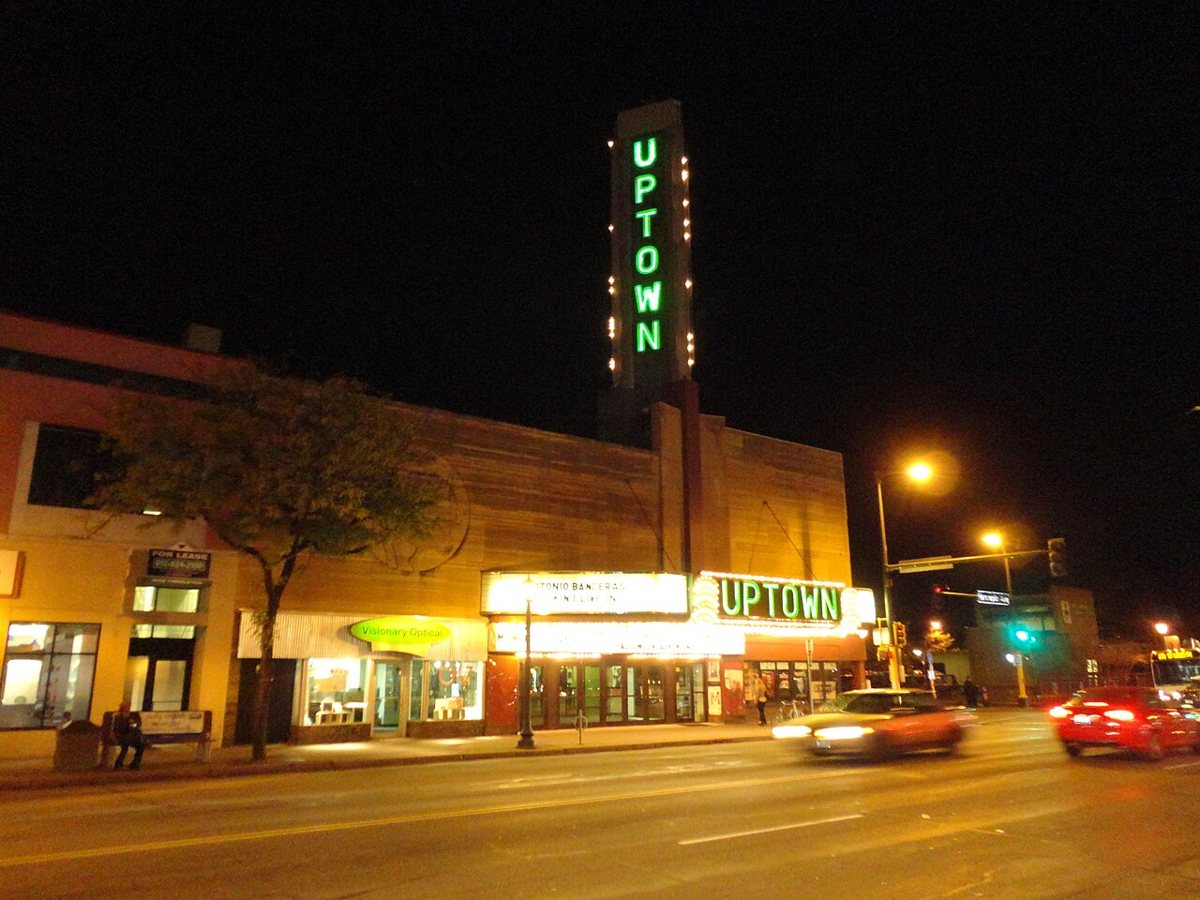

No single building says Uptown like the Uptown Theatre's marquee, a 1939 Art Deco sign that has become the visual shorthand for the entire neighborhood on postcards and Instagram alike. The theater's programming has shifted over the years and the building has gone through stretches of uncertainty, but the marquee itself remains one of the most photographed pieces of streetscape in Minneapolis and a reliable landmark for meeting up before a night out. Stand across the street after dark when the neon is lit and the sidewalk below is doing its usual mix of dog walkers, bar-hoppers and teenagers on skateboards, and you get a fair snapshot of what keeps people coming back to this stretch of Hennepin.
Lagoon Cinema
A few blocks off the main drag, Lagoon Cinema has carried the torch for arthouse and independent film in Uptown for decades, the kind of theater that programs foreign films and documentaries alongside awards-season titles that never make it to the suburban multiplexes. It anchors Lagoon Avenue the way the Uptown Theatre anchors Hennepin, and going to a movie here still feels like a neighborhood errand rather than a mall outing. The lobby crowd on a weekend night is a decent cross-section of the people who actually live in Uptown rather than just visit it.
Seven Points and the Hennepin-Lake Shopping District
The mixed-use development at Hennepin and Lake, rebuilt and rebranded more than once over the years, still functions as Uptown's retail anchor, with a grocery store, a movie theater and a rotating mix of national and local shops under one roof. Around it, the blocks of Hennepin and Lake Street carry the neighborhood's independent boutiques, vintage and consignment shops, record stores and coffee roasters, the kind of walkable retail strip that survives on repeat local customers rather than tourist traffic. The building at the corner has worn more than one name over its life and gone through more than one renovation, and longtime residents still sometimes default to an older name out of habit, which tells you something about how this stretch of the neighborhood actually works. Treat any specific store list as temporary here, because turnover is part of Uptown's rhythm, but the habit of window-shopping this stretch on a Saturday afternoon has outlasted every individual business that has come and gone. Vintage and resale shops in particular have proven durable, since Uptown's younger, design-minded crowd has kept secondhand fashion in steady demand even as bigger national retailers have come and gone from the same blocks.
Where Uptown Eats
Minneapolis takes its regional dishes seriously, and Uptown is a fair place to eat your way through the greatest hits. A proper Juicy Lucy, the cheese-stuffed burger the Twin Cities claims as a hometown invention, shows up on menus across the neighborhood, usually served with the understanding that you let it cool for a minute before the first bite. Walleye, the state fish, turns up pan-fried on supper club menus with the kind of unpretentious confidence that only a genuinely regional dish earns. Hot dish, the Midwestern casserole tradition, gets winking updates on menus that know exactly what they are doing. A short ride south along Nicollet Avenue's Eat Street brings the city's best concentration of Vietnamese pho, and a slightly longer trip toward Cedar-Riverside and the Phillips neighborhood opens onto one of the largest Somali communities in the country, with restaurants serving sambusas, suqaar and camel meat alongside sweet, cardamom-heavy tea that has become as central to the city's food identity as anything on Eat Street. No honest food guide to this part of Minneapolis skips it, and the East African influence has started showing up on Uptown menus themselves in the form of spice blends and dishes borrowed with real respect rather than treated as a novelty. Craft beer, meanwhile, is easy to find on Uptown tap lists even without a dedicated brewery district of its own, since the neighborhood's restaurants have leaned hard into local drafts over the past decade.
Rooftop Patios on Hennepin
Uptown does warm-weather rooftops as well as any neighborhood in Minneapolis, and a handful of bars and restaurants along Hennepin Avenue put a deck above the sidewalk for the few months the weather allows it. The appeal is the same at all of them: a seat over the street action, a drink, and a long view of the neighborhood going by. Weeknights after work are the calmer window before the decks fill for the evening. Ask a bartender which rooftop is pouring what before you climb the stairs, since the lineup shifts as businesses turn over.
Turtle Bread Company
Turtle Bread's Uptown location has built a loyal following on scratch-made bread, pastries and a breakfast sandwich menu that draws lines on weekend mornings, all without ever chasing a trend. It is the kind of bakery-cafe that anchors a neighborhood quietly, the place regulars mention almost reluctantly because they would rather keep the tables to themselves. Grab something to go and eat it on a bench by Bde Maka Ska a few blocks away.
Barbette on Lagoon
Barbette has run a French-inflected bistro on Lagoon Avenue for more than two decades, with a patio that becomes one of the most requested seats in the neighborhood the moment the weather turns. The kitchen treats brunch as seriously as dinner, and the bar has quietly become a proving ground for the city's cocktail culture. For a beer chaser afterward, plenty of regulars head north to a Northeast brewery, since that district's converted warehouses have become the city's real beer-hall row while Uptown's own bar scene leans more toward cocktails and wine. That trade-off is part of what makes an Uptown night out different from a Northeast night out: fewer taprooms, more places built for a long dinner that spills into a nightcap without anyone needing to move.
Music, Bowling, and Late Nights
Minneapolis takes its music seriously in a way that has nothing to do with nostalgia. Prince grew up making records in this city and the local scene he came out of never treated him as a closed chapter, it treated him as a baseline expectation, and small stages across Minneapolis still book bands that take that inheritance seriously. Uptown's own contribution to that scene is smaller in scale than downtown's storied clubs but consistent in spirit.
Bryant-Lake Bowl
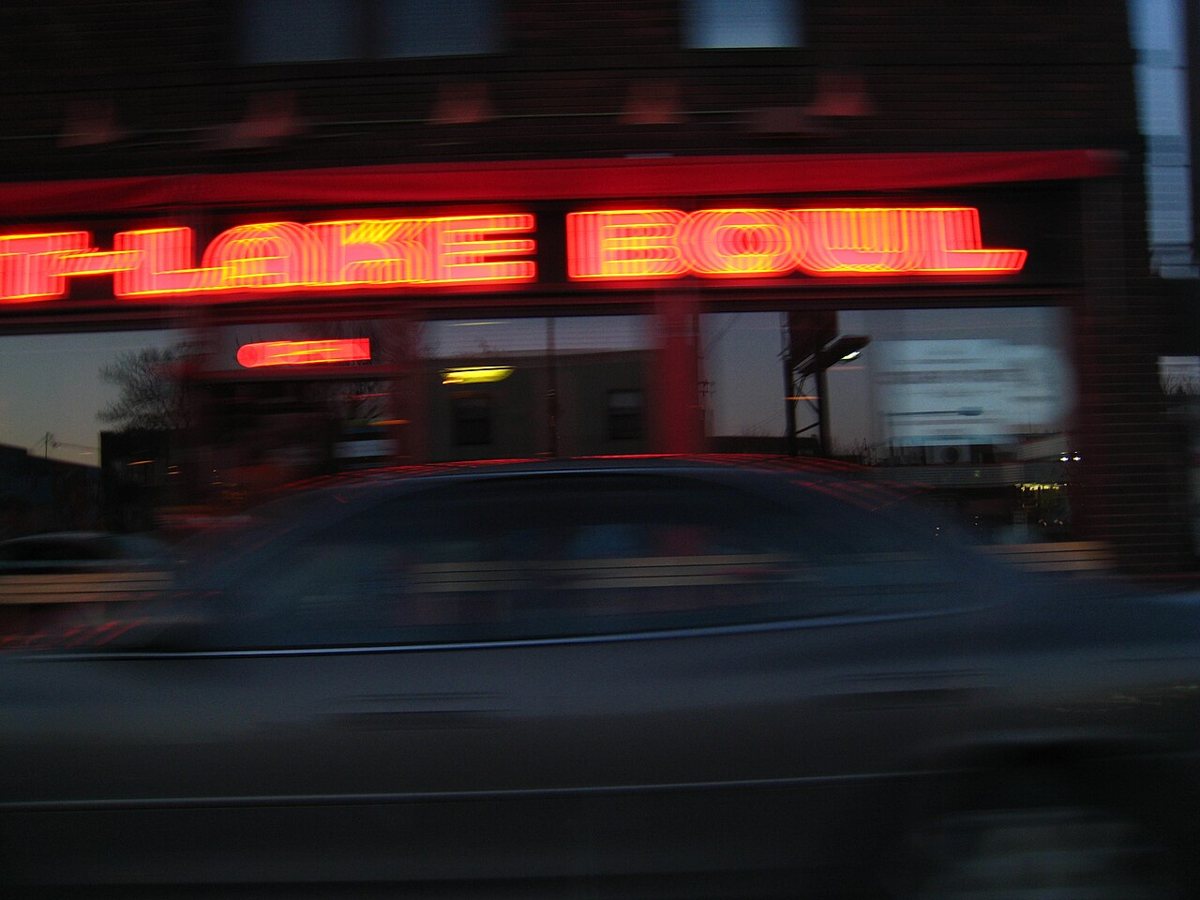

Bryant-Lake Bowl is the rare venue that is a bowling alley, a full restaurant and a black-box theater under one roof, and somehow all three functions work at once most nights. The theater side has hosted local playwrights, sketch troupes and stand-up comedians for years, giving Uptown a genuine home for the kind of scrappy, original programming that big commercial venues rarely take a chance on. Book a lane early in the evening, eat dinner at your bowling table, then wander next door for a nine o'clock show without ever leaving the building. It sits on Lyndale Avenue at the southern edge of the neighborhood, an easy walk from Bde Maka Ska.
Electric Fetus
Just south of the Uptown core, on the border with the Eat Street corridor, Electric Fetus has been Minneapolis's essential independent record store since the late 1960s, the kind of shop that stocked Prince's early pressings before the rest of the country had any idea who he was. It still deals in new and used vinyl, CDs and a surprising amount of local-artist merchandise, and browsing the crates remains one of the more reliable ways to understand what Minneapolis actually listens to, as opposed to what gets marketed about it.
The Midtown Greenway
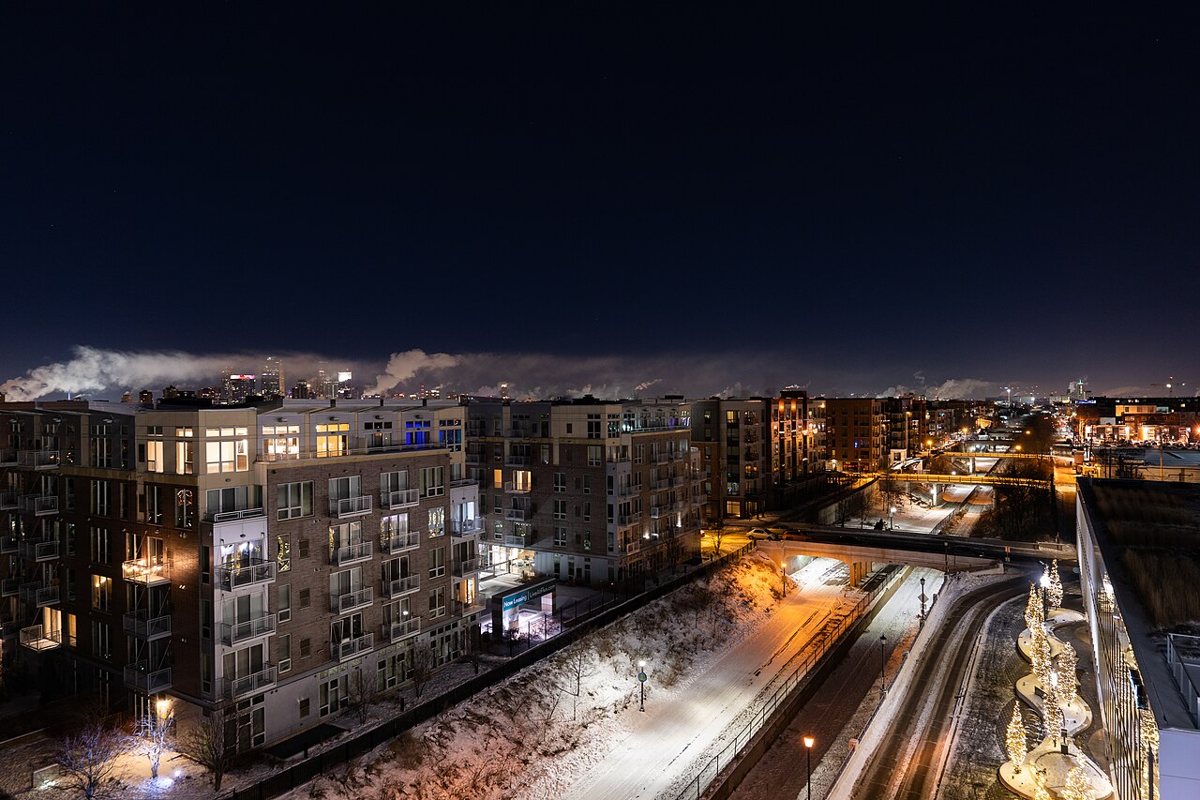

The Midtown Greenway is the single best argument for what Uptown gets right that most American neighborhoods never attempt. Built along a former rail corridor that runs below street grade for much of its length, the Greenway gives cyclists and pedestrians a nearly uninterrupted east-west route through the city, free of car crossings for long stretches and lit for safe use after dark. It connects Uptown directly to the lakes on one end and threads east toward the Mississippi River, linking neighborhoods that would otherwise require navigating heavy traffic on Lake Street above. Commuters use it as a genuine alternative to driving, not a recreational afterthought, and on a clear evening the volume of bike traffic rivals a rush hour on any city street. The insider tip locals actually use: the access points are not always obvious from street level, since the path sits in a below-grade cut, so look for the ramps and staircases marked along Lake Street rather than expecting a driveway-style entrance.
Uptown Art Fair and Neighborhood Traditions
Uptown hosts one of the largest juried art fairs in the country each year, an event that turns Hennepin and Lake into a pedestrian-only grid of artist booths, food vendors and street musicians for a stretch of summer days. It draws artists from across the country and crowds from across the metro, and it remains the clearest annual proof that the neighborhood's identity as a creative district, bohemian roots and all, has not been fully replaced by chain retail no matter how many storefronts have changed hands. Smaller traditions carry the same spirit through the rest of the year, from farmers market stalls to the informal gallery walks that pop up around the neighborhood's remaining independent art spaces. The fair's booths spill across the same sidewalks where, on an ordinary week, the neighborhood's mix of longtime homeowners, students from the nearby colleges, and newer residents drawn by the lakes all cross paths without much friction, and the East African families who have reshaped Minneapolis over the past thirty years are as much a part of that everyday mix as anyone, even if the community's largest institutions sit a few miles south. None of it requires a special occasion. It simply requires showing up and walking the strip.
Getting Around Uptown: Biking, Parking, and Seasons
A little practical planning goes a long way here.
- Biking is genuinely the best way to see the neighborhood. The Midtown Greenway connects to the Chain of Lakes trail system with almost no gaps, and most of Uptown's commercial strip has dedicated bike lanes or wide shoulders.
- Parking on Hennepin and Lagoon is metered and competitive on weekend nights. Side streets fill quickly too, so budget extra time or plan to walk a few blocks from wherever you find a spot.
- Each season changes what the neighborhood rewards. Summer belongs to the lakes and the art fair, fall brings the best light for the Greenway and the quietest restaurant patios, winter turns Lake of the Isles into a public rink and empties the lake paths just enough to make them worth using anyway, and spring is when the whole neighborhood seems to reopen its windows at once.
- The lakes and the Greenway are free and open year-round, which makes them the easiest default plan regardless of what else is or is not open that week.
Uptown does not need anyone to defend it and it does not need anyone to eulogize it either. It needs people willing to walk past a closed storefront to find out what opened two doors down, to ride the Greenway in weather that keeps other people home, to stand under the Uptown Theatre marquee and remember that a neighborhood is not a fixed list of businesses but a set of habits its people keep showing up for. The lakes are still there every morning. The bands are still loud enough on Lagoon Avenue on a Friday night. That is the whole case, and it has not changed in thirty years even if the storefronts have.